Category: Screen Printing

  • Essential Tools for Starting a Screen Printing Business

    Essential Tools for Starting a Screen Printing Business

    Starting a screen printing business requires careful planning and the right set of tools. The essential tools for screen printing help ensure that your business operates efficiently, delivering high-quality prints to customers. With the right equipment, you can tackle various printing jobs, from custom t-shirts to signage. This post will cover the basic tools you need to begin a successful screen printing business.
    Essential Tools for Starting a Screen Printing Business
    Essential Tools for Starting a Screen Printing Business

    Screen Printing Press

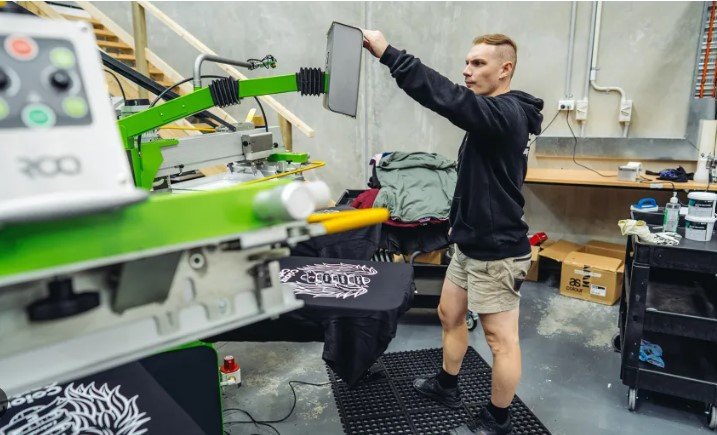
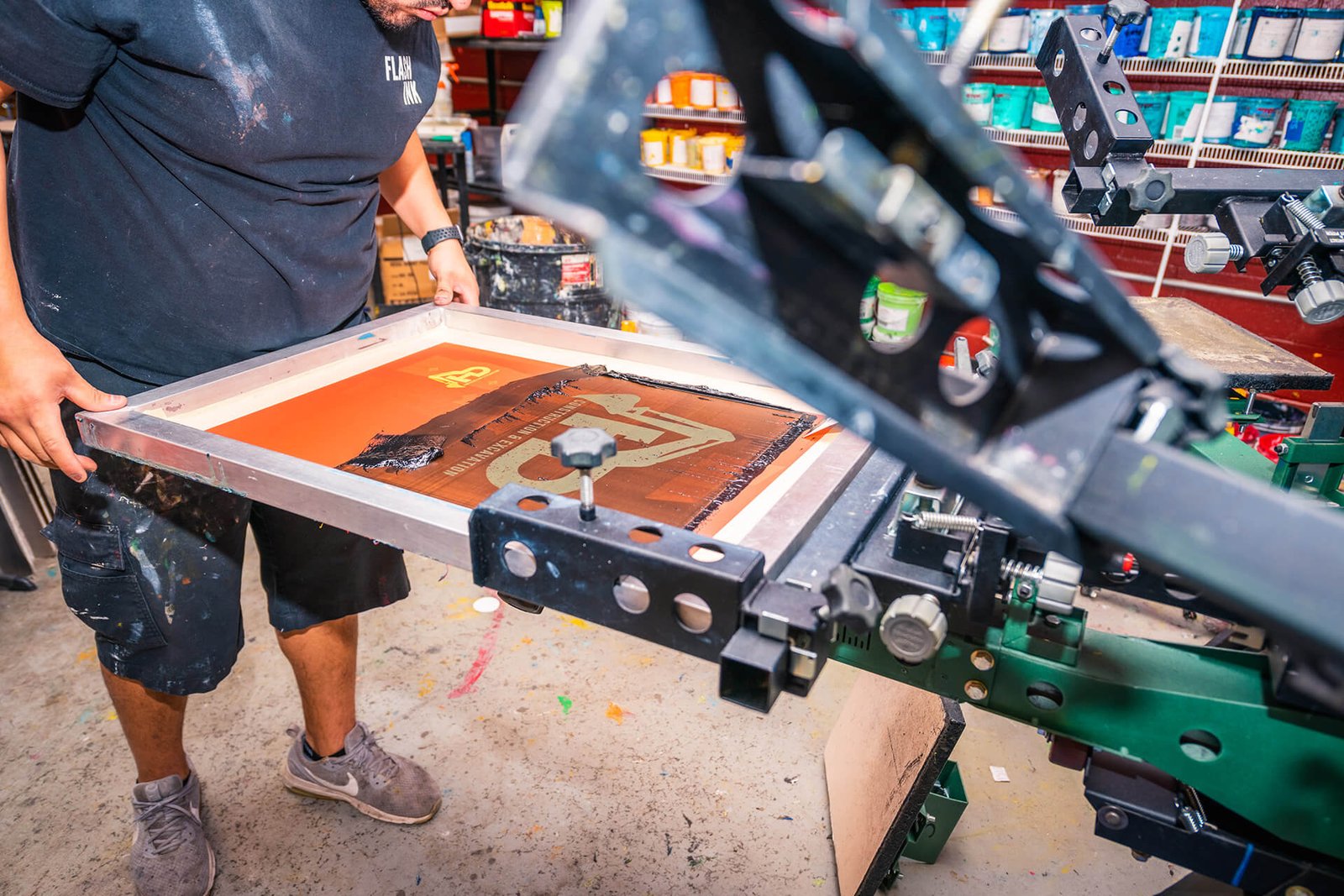
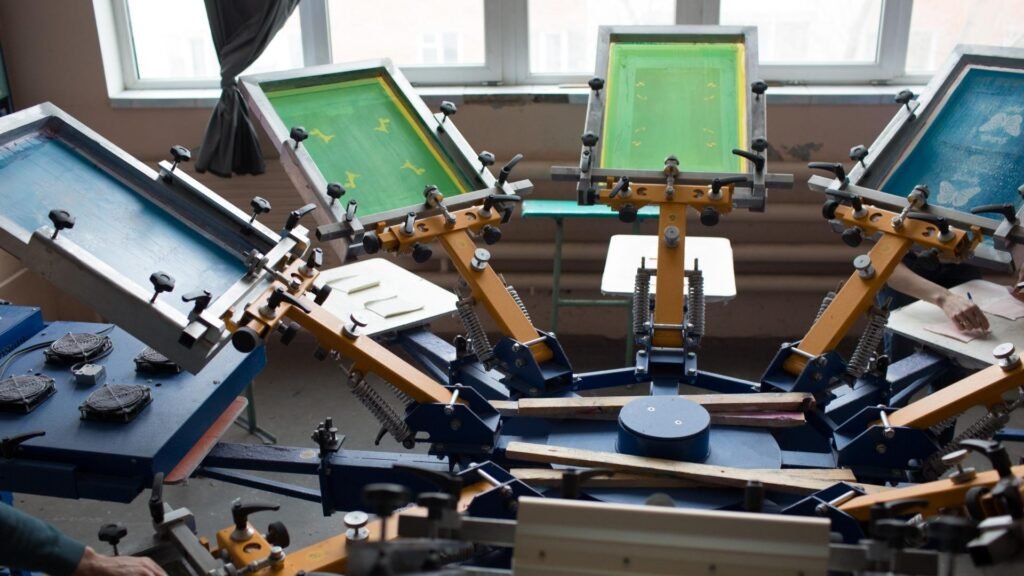
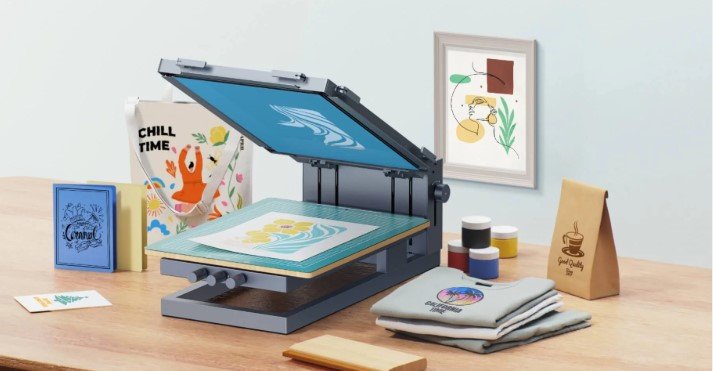
    The screen printing press is the core of any screen printing operation. It is the tool that holds the screen and ensures precise alignment when applying ink. There are several types of presses, including manual, automatic, and semi-automatic presses. For beginners, a manual press can be a great choice as it offers control over the printing process at a lower cost. However, as your business grows, you may want to invest in an automatic press to speed up production. Regardless of the type, a reliable screen printing press is essential for accurate and consistent prints.

    Screens and Frames

    The next essential tool is the screen and frame. Screens are made of mesh fabric stretched tightly over a frame. They hold the stencil or design through which the ink passes. You will need a variety of screen sizes to accommodate different designs and printing areas. The mesh count of the screen plays a crucial role in the final print quality. Higher mesh counts are suitable for detailed designs, while lower mesh counts are better for larger prints. A strong, durable frame ensures the screen stays in place during printing.

    Inks and Chemicals

    Inks and chemicals are vital components in screen printing. The right type of ink ensures that your prints are vibrant, durable, and suitable for different fabrics or surfaces. For fabric printing, plastisol ink is a common choice, known for its opacity and durability. Water-based inks are another option, offering a softer feel but requiring more careful handling. In addition to inks, you will need chemicals such as emulsion for coating screens, screen cleaners, and degreasers to prepare your screens. Make sure to choose inks and chemicals that align with the materials you plan to print on and the specific effects you want to achieve.

    Exposure Unit

    An exposure unit is used to burn the design onto the screen. This tool plays a key role in transferring your artwork onto the screen mesh. The exposure unit uses UV light to expose the emulsion-coated screen to the design. The areas of the screen covered by the design remain unexposed, while the other areas harden, creating a stencil. A high-quality exposure unit ensures that your designs are crisp and accurate. Investing in a good exposure unit will save time and effort in your production process, improving the overall quality of your prints.

    Curing Equipment

    Curing equipment is essential to ensure that the ink dries properly and adheres to the fabric or material. A conveyor dryer or flash dryer is typically used to cure the printed design. The dryer applies heat to the ink, making it durable and resistant to wear. A conveyor dryer moves garments or other materials through the heat chamber, while a flash dryer focuses heat on specific areas, ideal for quick curing between printing layers. Proper curing is crucial to ensure the longevity of your prints, especially for fabrics that undergo regular washing.

    Conclusion

    Starting a screen printing business requires investing in essential tools that ensure your production process is smooth and efficient. From a reliable screen printing press to curing equipment, each tool plays a crucial role in creating high-quality prints. As your business grows, you may need to expand your equipment to meet increasing demand. However, starting with these basic tools will give you a solid foundation for success in the screen printing industry.
  • How Technology Enhances Printing Efficiency

    How Technology Enhances Printing Efficiency

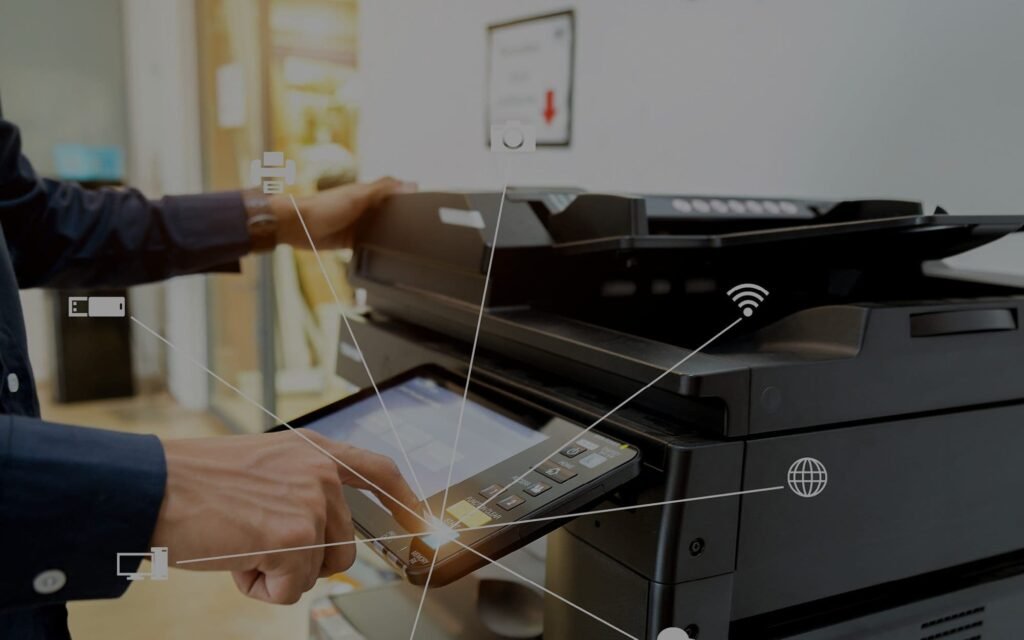
    Technology has revolutionized many industries, and the printing sector is no exception. If you’re wondering how technology enhances printing efficiency, you’re in the right place. With continuous advancements, printing has become faster, cheaper, and more eco-friendly. In this article, we’ll explore the ways technology improves printing efficiency, making it an essential tool for businesses and consumers alike.

    How Technology Enhances Printing Efficiency
    How Technology Enhances Printing Efficiency

    The Impact of Technology on Printing

    Over the years, printing technology has evolved significantly. Innovations have brought about improvements in speed, quality, and sustainability. These changes have made printing more accessible and affordable. So, how does technology enhance printing efficiency? Let’s take a closer look.

    1. Faster Printing Technology

    One of the most noticeable improvements is the speed at which printers operate. Older printing methods were slow and required a lot of time to complete a single task. However, modern printers use advanced technology that allows them to print much faster. Laser printers, for example, can produce pages at speeds of up to 50 pages per minute. This is a huge improvement, especially for businesses that rely on fast printing to meet deadlines.

    The Role of Digital Printing

    Digital printing plays a significant role in increasing printing speed. Unlike traditional methods that require separate plates for each print, digital printing allows for quicker set-up and fewer steps in the process. As a result, digital printing can handle shorter runs efficiently, which makes it ideal for printing customized products or on-demand services.

    2. Improved Print Quality

    Technology has also led to better print quality. In the past, low-quality prints were common, especially when using older printers. Today, advancements in printing technology have dramatically improved resolution and color accuracy. With technologies like inkjet and laser printing, printouts are sharper and more vibrant. These improvements are essential for businesses that need high-quality prints for promotional materials or packaging.

    The Benefits of Advanced Ink and Toner Technology

    One key advancement in improving print quality is the development of advanced inks and toners. These new materials allow for better color reproduction and longer-lasting prints. For example, pigment-based inks are now widely used for their durability and resistance to fading. This means prints last longer, which is an added benefit for businesses and consumers who want high-quality, lasting results.

    3. Cost-Effectiveness

    Another way technology enhances printing efficiency is by reducing costs. With new printing technologies, businesses can save money on both materials and labor. For example, newer printers use less ink or toner while still maintaining print quality. Additionally, many modern printers are designed to be energy-efficient, which reduces electricity consumption. These small savings can add up over time, making technology a valuable tool for businesses looking to cut costs.

    Reducing Waste Through Smart Printing

    Advancements in printing technology also help reduce waste. Modern printers are designed to be more efficient with resources, using less paper and ink. For example, many printers now come with automatic double-sided printing features, reducing the amount of paper used. Additionally, some printers are equipped with sensors that detect low ink levels, allowing users to replace ink before running out, which reduces waste and unnecessary costs.

    4. Automation in Printing

    Another way technology enhances printing efficiency is through automation. Many modern printing machines come with automated features that make the printing process easier and more efficient. For example, automated color adjustments and paper handling systems ensure that prints are consistent and of high quality. Additionally, automated processes can reduce human error, leading to fewer mistakes and faster production.

    Workflow Integration for Efficiency

    Workflow software is also helping businesses streamline their printing processes. By integrating design software with printing machines, businesses can reduce the time spent on preparation and adjust prints easily. This automation speeds up the process from start to finish, helping companies meet tight deadlines and improve productivity.

    How Technology Makes Printing More Sustainable

    Technology isn’t just making printing more efficient; it’s also helping reduce its environmental impact. With the rise of eco-friendly printing technologies, companies can now print with less waste and fewer harmful chemicals.

    Eco-Friendly Inks and Materials

    Many modern printers use water-based inks or soy-based inks, which are much more eco-friendly than traditional petroleum-based inks. These new inks are less harmful to the environment and easier to recycle. In addition, newer printing materials like recycled paper are often used in combination with these eco-friendly inks, further reducing the environmental impact of printing.

    Energy-Efficient Printers

    Technology has also made printers more energy-efficient. Today’s printers use less electricity, especially when in idle mode, which reduces overall energy consumption. Additionally, many printers are designed to automatically power down when not in use, further conserving energy. This shift towards energy-efficient technology helps reduce the carbon footprint of printing operations.

    Conclusion: Embrace the Future of Printing Efficiency

    In conclusion, technology plays a crucial role in enhancing printing efficiency. From faster printing speeds and better print quality to cost savings and eco-friendly options, these advancements are transforming the printing industry. By adopting these innovations, businesses and individuals can enjoy more efficient, high-quality, and sustainable printing. As technology continues to evolve, we can expect even more exciting improvements that will further enhance the way we print. So, whether you’re printing for personal use or business, embracing these technologies will help you get the best results faster and more affordably.

  • The Role of Automation in Modern Screen Printing

    The Role of Automation in Modern Screen Printing

    The role of automation in modern screen printing has transformed the industry. Automation brings precision, speed, and efficiency to the screen printing process. With advanced technologies, businesses can streamline production, improve quality, and reduce costs. In this post, we will explore how automation is reshaping screen printing and why it’s crucial for the future of manufacturing.

    The Role of Automation in Modern Screen Printing
    The Role of Automation in Modern Screen Printing

    What is Automation in Screen Printing?

    Automation in screen printing refers to the use of machines and systems to perform tasks traditionally done by hand. These systems automate processes like loading and unloading materials, printing, curing, and quality control. By incorporating robotics, sensors, and computer software, manufacturers can achieve faster and more accurate results. This reduces human error and ensures consistency in production, making it ideal for high-volume manufacturing.

    Benefits of Automation in Screen Printing

    The benefits of automation in screen printing are numerous. First, it significantly increases production speed. Machines can work continuously, handling multiple tasks simultaneously without needing breaks. This results in quicker turnaround times and higher output. Additionally, automation improves precision. Automated systems apply consistent pressure, ink volume, and alignment, reducing the risk of mistakes. As a result, businesses can maintain high-quality standards throughout the production process.

    Another advantage is cost savings. While the initial investment in automated systems may be high, the long-term savings outweigh the costs. Automation reduces the need for manual labor and minimizes material waste. It also allows businesses to scale production without having to hire additional workers, making it a cost-effective solution in the long run.

    Automation in Screen Printing Equipment

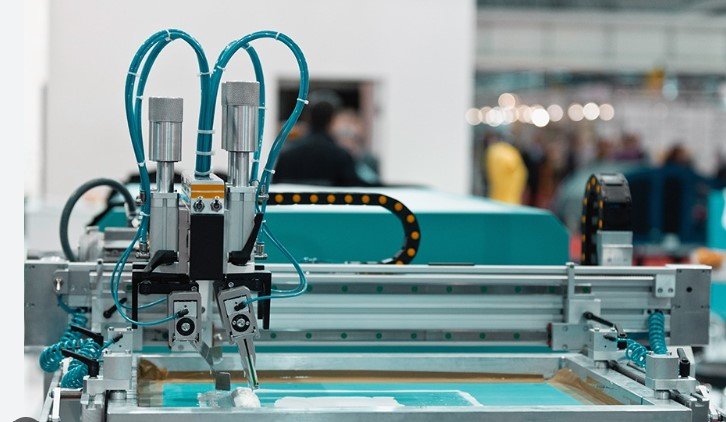
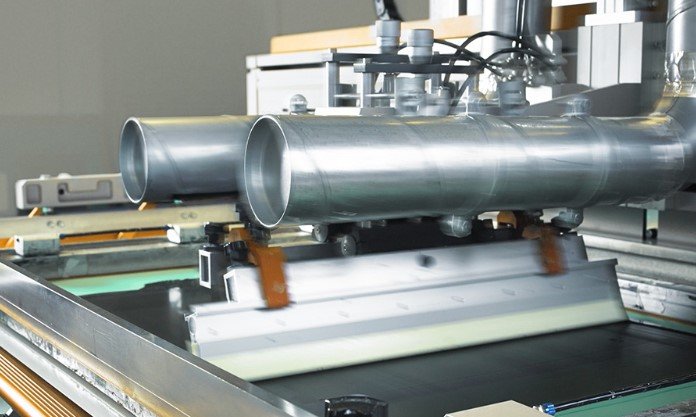
    Modern screen printing equipment incorporates advanced automation technologies to enhance productivity. Automatic screen printing presses, for example, can load substrates, apply ink, and cure printed designs with minimal human intervention. These presses are equipped with sensors that adjust settings automatically to ensure the perfect print every time. Additionally, automated dryers and curing units speed up the drying process, allowing for faster completion of each print cycle.

    In addition to presses, automated systems are used for quality control. Cameras and sensors are often installed to inspect each print, ensuring there are no defects or inconsistencies. If a problem is detected, the system can adjust the settings or alert operators, making it easier to catch errors before they affect the final product. This level of precision is impossible to achieve with manual methods.

    How Automation Enhances Quality Control

    Quality control is one of the key areas where automation excels. In traditional screen printing, human workers often perform quality checks by eye, which can lead to inconsistencies. With automation, sensors and cameras monitor the printing process in real-time. These systems can detect subtle variations in color, alignment, and ink thickness, ensuring that every print meets the required standards.

    Automated systems also provide detailed data analytics, helping manufacturers identify patterns and improve their processes. For instance, if a certain print setting is causing defects, the system can adjust the parameters or flag the issue for review. This continuous monitoring and adjustment ensure that each batch of prints is flawless, leading to higher customer satisfaction and fewer returns.

    Future Trends in Automation for Screen Printing

    The future of automation in screen printing looks promising. As technology continues to evolve, screen printing machines will become even more advanced. Artificial intelligence (AI) and machine learning are expected to play a larger role, further improving automation systems. These technologies can learn from past data and predict potential issues, making the printing process even more efficient and accurate. Additionally, automation will allow for greater customization in design, as machines will be able to handle more complex patterns and colors with ease.

    As the demand for personalized and high-quality prints grows, automation will be essential to keep up with production needs. The continued integration of robotics and AI in screen printing will not only improve efficiency but also enable manufacturers to meet the challenges of the evolving market.

    Conclusion

    In conclusion, the role of automation in modern screen printing is transformative. It increases efficiency, improves quality, and reduces costs. As technology advances, automated systems will continue to revolutionize the industry, allowing manufacturers to produce high-quality prints faster and more reliably. Embracing automation is essential for businesses looking to stay competitive and meet the growing demands of the modern market.

  • The Use of Screen Printing in the Electronics Industry

    The Use of Screen Printing in the Electronics Industry

    Screen printing has become an essential process in the electronics industry. It plays a critical role in the production of various electronic components. By applying ink onto substrates like circuit boards, screen printing helps to create intricate designs with precision. This technique is widely used for manufacturing products such as printed circuit boards (PCBs), displays, and sensors. In this post, we will explore how screen printing is used in the electronics industry and why it is so important.

    The Use of Screen Printing in the Electronics Industry
    The Use of Screen Printing in the Electronics Industry

    What Is Screen Printing in Electronics?

    Screen printing is a method of printing where ink is passed through a mesh stencil or screen. The ink is applied to a surface using a squeegee, and the screen controls where the ink goes. In the electronics industry, screen printing is used to transfer conductive inks onto various materials. It allows manufacturers to produce precise patterns on circuit boards and other electronic components. This process is essential for creating the pathways through which electricity flows in electronic devices.

    Advantages

    The use of screen printing in electronics offers several key advantages. First, it ensures high precision in the placement of conductive materials. This is crucial when working with delicate and intricate electronic circuits. Second, screen printing is highly cost-effective for mass production. It is an efficient method that can produce large quantities of components quickly. Additionally, screen printing allows for the use of a variety of materials, including metals, ceramics, and plastics, making it versatile for different types of electronics.

    How Screen Printing Enhances the Performance of Electronics

    Screen printing is not only about creating designs; it also improves the performance of electronic components. By ensuring accurate deposition of conductive inks, it guarantees the functionality of circuits. The uniformity of the ink layer ensures minimal resistance and better conductivity, which is crucial for the efficient operation of electronic devices. Furthermore, screen printing can be used to apply protective coatings to sensitive components, ensuring their durability and longevity.

    Screen Printing in PCB Manufacturing

    In printed circuit board (PCB) manufacturing, screen printing is used to apply solder paste, conductive ink, and protective coatings. The process is vital for creating the copper traces and pads that connect different components on the PCB. The precision of screen printing allows manufacturers to place tiny components with high accuracy, ensuring that the PCB functions as intended. Without screen printing, the manufacturing of high-performance PCBs would be much more challenging.

    Future Trends

    The future of screen printing in the electronics industry looks promising. As electronic devices become smaller and more complex, the demand for more precise and efficient manufacturing techniques will grow. Screen printing will continue to evolve with advancements in ink formulations and screen technology. Innovations such as automated screen printing systems and 3D printing integrations will further enhance the capabilities of this technique. The use of screen printing will undoubtedly play a key role in the next generation of electronics.

    Conclusion

    In conclusion, screen printing is a critical technique in the electronics industry. Its ability to deliver high precision, cost-effectiveness, and versatility makes it ideal for manufacturing electronic components. From PCBs to displays, screen printing helps create reliable and efficient electronic devices. As technology advances, the role of screen printing in electronics manufacturing will only continue to expand, ensuring the production of high-quality products for the future.

  • How to Master Screen Printing Fast

    Screen printing is an exciting and rewarding skill to learn. If you’re wondering how to master screen printing fast, you’re in the right place. Whether you want to create custom T-shirts or unique artwork, mastering screen printing can open up many creative possibilities. In this article, we’ll explore key tips and techniques to help you learn screen printing quickly and efficiently.

    Get Familiar with the Basics

    Before you dive into the hands-on work of screen printing, it’s important to understand the basic concepts. Learning the fundamentals will help you speed up the process and make fewer mistakes.

    What is Screen Printing?

    Screen printing is a method used to transfer ink onto a surface using a stencil (or screen). A screen is created by blocking out parts of a mesh with a special material. When ink is pushed through the screen, it only passes through the unblocked areas, creating a design on your material. This process can be used on fabrics, paper, wood, and many other surfaces.

    The Key Materials You’ll Need

    To get started, you’ll need a few essential materials:

    • A screen (mesh)
    • Ink
    • A squeegee (tool to spread ink)
    • A frame (to hold the screen)
    • A light source (for exposing your design)
    • Emulsion (for creating your stencil)

    Once you have these materials, you’ll be ready to begin printing.

    How to Master Screen Printing Fast
    How to Master Screen Printing Fast

    Step-by-Step Process to Master Screen Printing Fast

    Knowing the right steps is crucial to mastering screen printing fast. With the following steps, you can get started quickly and see better results.

    1. Create Your Design

    The first step in learning how to master screen printing fast is to have a design ready. You can either draw your design by hand or use graphic software like Adobe Illustrator. Make sure your design is simple and clear, especially if you are just starting. Complex designs might take more time to print and require additional steps, but basic designs can give you a great starting point.

    2. Prepare the Screen

    Once you have your design, it’s time to prepare the screen. Apply the emulsion to the screen and allow it to dry. After drying, expose the screen to light with your design on it. This process will create a stencil that will allow you to print your design onto the material. Be sure to follow the manufacturer’s instructions for the exposure time to ensure your stencil is sharp and clear.

    3. Set Up Your Workspace

    Next, set up your workspace for screen printing. Make sure you have a clean, flat surface to work on. Place your screen on the frame and position your material underneath it. You want everything to be aligned properly, so the design prints correctly. Also, prepare your ink and squeegee to have everything ready to go.

    4. Start Printing

    Now comes the fun part: printing! Apply the ink at one end of the screen and use the squeegee to spread it evenly across the surface. Press firmly to ensure the ink gets pushed through the screen and onto your material. Lift the screen and check the design. If the design is clear, you’re on the right track. If not, adjust your technique or ink amount to improve the print.

    Tips for Speeding Up the Learning Process

    If you want to master screen printing fast, these tips will help you work efficiently and avoid common mistakes.

    Practice Makes Perfect

    Don’t get discouraged if your first prints don’t turn out perfect. The key to learning how to master screen printing fast is practice. The more you print, the better your technique will become. Start with simple designs and practice until you feel comfortable with the process.

    Keep Your Equipment Clean

    One common mistake that slows down the learning process is not cleaning the equipment properly. Clean your screen, squeegee, and other tools after each print. This will ensure that your prints are sharp and prevent ink from drying on the equipment.

    Experiment with Different Materials

    Screen printing isn’t just for T-shirts. Once you feel confident, try printing on different materials like tote bags, paper, or even wood. This will give you a better understanding of how screen printing works on various surfaces and help you improve your skills quickly.

    Conclusion: Master Screen Printing Fast and Have Fun

    Learning how to master screen printing fast takes practice, patience, and the right tools. By following these steps and tips, you’ll be able to create beautiful prints in no time. Remember, the key is to start simple and gradually experiment with more complex designs. Keep practicing, stay organized, and soon you’ll be creating amazing prints like a pro!

  • How Screen Printing Works Step by Step

    How Screen Printing Works Step by Step

    Screen printing is a popular method used to print designs on various materials like t-shirts, posters, and other products. How screen printing works step by step is simple once you understand the process. This technique is widely used in businesses and for custom products. In this article, we will explore the essential steps involved in screen printing and how each step contributes to the final design.

    How Screen Printing Works Step by Step
    How Screen Printing Works Step by Step

    Preparing the Screen

    The first step in how screen printing works step by step is preparing the screen. This screen is made of a fine mesh, usually made of polyester or nylon. The mesh is stretched tightly over a frame, and it’s essential for creating a clean and precise print.

    Coating the Screen with Emulsion

    Next, you coat the screen with a layer of emulsion. The emulsion is a light-sensitive chemical that helps create the design. You need to apply the emulsion evenly and let it dry in a dark room to avoid premature exposure to light. Once dry, the screen is ready for the next step in the process.

    Creating the Design

    The next part of how screen printing works step by step involves creating the design that will be printed. This can be done using computer software to create digital artwork or drawing the design by hand. The design is then transferred onto a transparent film, which will be used to expose the screen.

    Exposing the Screen to Light

    Once you have your design on the film, it’s time to expose the screen to light. You place the film on the emulsion-coated screen and expose it to ultraviolet (UV) light. The light hardens the emulsion, except for the areas blocked by the design. These areas remain soft, and they will wash away, leaving behind your design on the screen.

    Preparing the Printing Materials

    Now that the screen is ready, it’s time to prepare the materials you will print on. How screen printing works step by step includes selecting the right materials. These can include fabric, paper, wood, or plastic, depending on the project. It’s important to ensure the surface is clean and smooth for the best results.

    Choosing the Right Ink

    The next step is choosing the right ink for the job. Different inks are used for different materials, so you need to select one that works well with your chosen surface. Plastisol ink is commonly used for t-shirts, while water-based ink may be used for more eco-friendly prints. The ink is then placed on the screen in a thin line across the top.

    Printing the Design

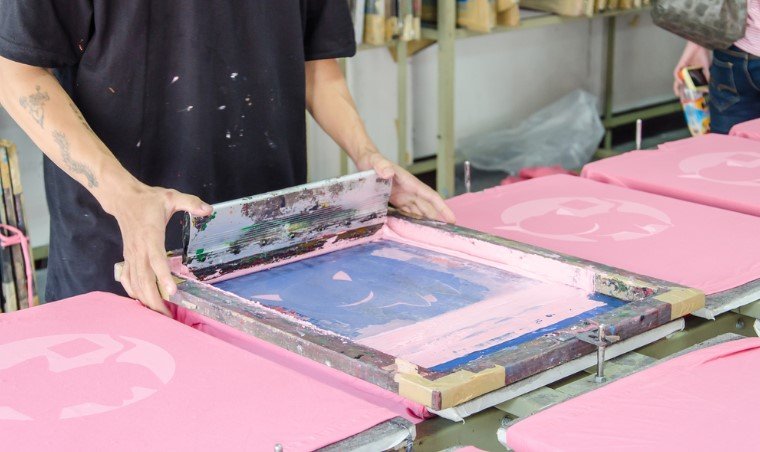
    With the screen prepared and the materials ready, it’s time to print. This is the key part of how screen printing works step by step. You place the material (like a t-shirt) on a flat surface under the screen. Using a squeegee, you press the ink through the screen mesh onto the surface below, transferring the design. This step may need to be repeated for multiple colors in the design.

    Drying the Ink

    After the design is printed, the ink must be dried. Drying the ink ensures that the design sticks to the material and won’t smudge. You can use a heat press or conveyor dryer to cure the ink, depending on the type of ink used. It’s important to let the ink cool down before moving the item to avoid any damage to the print.

    Final Touches

    The last part of how screen printing works step by step is making any final adjustments or touches. This can include additional layers of ink if necessary or checking the print for any imperfections. Once everything is dry and the print looks perfect, the item is ready to be sold or used.

    Conclusion

    In conclusion, how screen printing works step by step is a detailed process, but it’s not difficult once you break it down. By preparing the screen, creating the design, selecting the right materials, and printing the design carefully, you can create beautiful custom prints. Screen printing is a versatile and effective way to bring your ideas to life on various materials, and understanding each step helps you achieve the best results.

  • How Technology Is Enhancing Screen Printing Processes

    How Technology Is Enhancing Screen Printing Processes

    How technology is enhancing screen printing processes is a topic that has garnered much attention in recent years. As technology advances, so too do the methods and tools used in the screen printing industry. New innovations are making the process faster, more precise, and more cost-effective, enabling businesses to deliver higher-quality products with less effort. In this post, we’ll explore how technology has shaped screen printing and the significant improvements it has brought to the process.

    How Technology Is Enhancing Screen Printing Processes
    How Technology Is Enhancing Screen Printing Processes

    The Role of Automation in Screen Printing

    One of the most significant ways technology has enhanced screen printing is through automation. In the past, screen printing was a labor-intensive process that required manual effort for each print. Today, automatic screen printing presses have revolutionized the industry by drastically increasing production speed and consistency. These machines can print large volumes of products with minimal human intervention, reducing errors and increasing output.

    Benefits of Automation: Automatic presses can adjust pressure, speed, and ink flow in real-time, ensuring uniform prints with every cycle. This helps businesses keep up with high demand while maintaining quality. Additionally, automated systems reduce the need for skilled labor, lowering overall operational costs.

    Digital Technology and Screen Printing

    Digital technology is another key factor in improving screen printing processes. The introduction of computer-aided design (CAD) software allows designers to create intricate, high-resolution images with ease. These digital files can then be directly transferred to screens using digital exposure systems, eliminating the need for traditional film negatives.

    Impact of Digital Technology: With CAD software, screen printers can easily modify designs, experiment with color schemes, and make quick adjustments without starting from scratch. This reduces design time and allows for more complex designs to be printed with greater precision. Additionally, digital exposure systems offer a faster, more consistent way to create stencils, making the setup process quicker and more accurate.

    Advancements in Ink and Material Technology

    Technology has also played a major role in the development of new inks and materials used in screen printing. Traditional inks, such as plastisol, are still widely used in the industry. However, advances in ink technology have introduced eco-friendly alternatives like water-based inks and UV-curable inks. These new ink types are more sustainable and offer unique advantages, such as faster drying times and better environmental compatibility.

    Advantages of New Inks: Water-based inks, for example, penetrate the fabric more effectively, resulting in a softer feel and more breathable prints. UV-curable inks dry instantly when exposed to ultraviolet light, speeding up production and reducing energy consumption. These advancements in ink technology allow printers to meet the increasing demand for eco-friendly and high-quality products.

    Screen Printing with Precision and Accuracy

    Technology has also enhanced the precision and accuracy of screen printing. Modern screen printing machines are equipped with sensors and sophisticated software that enable printers to achieve higher levels of detail. These systems can detect even the smallest misalignment or defect in the printing process, automatically adjusting the machine to correct the error.

    Precision Improvements: The use of precise alignment systems, automated registration controls, and finer mesh screens has made it possible to achieve sharper, more detailed prints. This level of accuracy is essential for complex designs or prints that require multiple colors and fine lines. With the help of technology, printers can now produce high-quality, intricate designs with much greater ease.

    The Integration of Hybrid Printing Techniques

    Hybrid printing techniques that combine screen printing with other methods, such as digital printing or heat transfer, are also becoming more common. These hybrid systems combine the best aspects of each technique, allowing printers to achieve greater flexibility in their projects. For example, digital printing can be used to print high-resolution images, while screen printing can be used for bold designs or large areas of color.

    Benefits of Hybrid Printing: Hybrid printing systems offer increased versatility, making them ideal for businesses that handle a wide range of products and printing techniques. The integration of digital printing with traditional screen printing allows for more efficient use of resources, faster turnaround times, and the ability to print on various materials with high precision.

    Conclusion

    In conclusion, technology is playing a crucial role in enhancing screen printing processes. Automation, digital technology, advancements in ink and materials, precision improvements, and the integration of hybrid printing techniques have all contributed to making screen printing more efficient, accurate, and sustainable. As technology continues to evolve, the future of screen printing looks even more promising, with new innovations constantly reshaping the way businesses approach the process. By adopting these technological advancements, businesses can remain competitive and continue to deliver high-quality products to their customers.

  • Best Materials for Quality Screen Printing

    Best Materials for Quality Screen Printing

    When it comes to screen printing, choosing the right materials plays a big role in achieving the best results. The best materials for quality screen printing not only affect the final print but also ensure long-lasting, vibrant designs. In this article, we’ll look at some of the top materials that work well with screen printing. These materials help you get the best print quality, whether you’re printing on t-shirts, bags, or other items.

    Best Materials for Quality Screen Printing
    Best Materials for Quality Screen Printing

    Best Fabrics for Screen Printing

    Fabric is one of the most common materials used for screen printing. When choosing the best materials for quality screen printing, the fabric you select makes a big difference in the print’s appearance and durability. Cotton, polyester, and blends of both are some of the best choices for fabric printing.

    Cotton: Soft and Comfortable

    Cotton is one of the best materials for quality screen printing. It’s soft, breathable, and offers excellent print quality. Because cotton fibers are absorbent, they hold ink well, resulting in sharp, vibrant colors. This makes cotton a popular choice for printing t-shirts, hoodies, and other apparel. Additionally, cotton’s natural feel makes it comfortable to wear, which is why many people choose it for custom clothing.

    Polyester: Durable and Quick-Drying

    Polyester is another great material for screen printing. It’s durable, quick-drying, and resistant to shrinking. It also holds ink well, making it ideal for printing vibrant designs. However, polyester fabrics often require special inks that bond better to synthetic fibers. As a result, polyester is commonly used for athletic wear and outdoor clothing, where durability and quick drying are important.

    Best Surfaces for Screen Printing

    Screen printing isn’t limited to fabric. It can also be used on a wide range of surfaces, including paper, wood, and plastic. The best materials for quality screen printing on non-fabric items often require special considerations.

    Paper: Great for Posters and Flyers

    Paper is one of the most common materials for screen printing, especially when creating posters, flyers, and greeting cards. The smooth texture of paper allows the ink to sit on top, creating a vibrant and sharp design. When printing on paper, it’s essential to choose the right weight and finish for your project. Heavier papers work better for screen printing, as they can handle the ink without warping.

    Wood: Unique and Rustic

    Wood is a popular material for custom prints when you want a unique, rustic look. It has a natural texture that can give your designs an interesting, organic feel. However, wood can be challenging to print on, so it’s important to use the right type of ink and ensure that the surface is properly prepared. Despite these challenges, wood prints are durable and visually appealing, making it one of the best materials for quality screen printing when done right.

    Choosing the Right Material for Your Project

    When deciding on the best materials for quality screen printing, consider what you want to achieve. Different materials require different printing techniques and inks. For example, printing on cotton requires water-based ink, while polyester often needs plastisol ink for the best results. It’s important to choose the right material based on your needs.

    Think About the End Use

    Think about how the printed item will be used. For example, custom t-shirts that will be worn frequently should be printed on durable materials like cotton or polyester. On the other hand, items like custom posters or artwork may be better suited for printing on paper or canvas. By considering the end use of your product, you can choose the best materials for quality screen printing to achieve the best results.

    Test Before Committing

    Before committing to a large run, always test your design on the material you plan to use. This ensures that the ink adheres properly and that the final print looks the way you want. Testing is especially important when using materials like wood or plastic, which can behave differently than fabric. By testing your design first, you can avoid wasting time and materials on a print that doesn’t meet your standards.

    Conclusion

    In conclusion, choosing the best materials for quality screen printing is crucial to achieving vibrant, long-lasting prints. Cotton and polyester are great options for fabrics, while paper and wood are excellent choices for non-fabric items. When selecting materials, always consider the end use of your project and ensure you’re using the right inks for each material. With the right preparation and material selection, you can create stunning screen prints that will last.

  • Screen Printing on Fabrics: Tips for Better Results

    Screen Printing on Fabrics: Tips for Better Results

    Screen printing on fabrics is a popular method for creating custom designs on clothing, bags, and other textile products. It allows for vibrant, long-lasting prints that can withstand repeated washing. However, achieving the best results requires attention to detail and the right techniques. In this post, we will discuss useful tips to improve your screen printing on fabrics and ensure high-quality, consistent results every time.

    Screen Printing on Fabrics: Tips for Better Results
    Screen Printing on Fabrics: Tips for Better Results

    Choosing the Right Fabric for Screen Printing

    The fabric you choose plays a crucial role in the quality of your screen printing results. Different fabrics respond to screen printing inks in various ways, so it’s essential to select the right one for your project. Cotton is the most commonly used fabric for screen printing, as it holds ink well and produces vibrant prints. However, fabrics such as polyester and blends can also yield good results if the correct ink is used.

    Tip: Always test your fabric before starting production. Fabrics with a smooth surface allow the ink to sit properly, creating a crisp print. Rough or textured fabrics may require adjustments to the ink or technique to achieve the desired results. It’s essential to keep in mind that the ink absorption rate and fabric type will influence the final appearance of the print.

    Preparing the Screen and Image for Printing

    Proper screen preparation is essential for achieving high-quality results when screen printing on fabrics. First, ensure that your screen is tightly stretched and clean, as a dirty or loose screen can lead to blurry prints. Next, make sure that your image is properly sized and positioned on the screen. You can use a computer to create a digital design, but ensure that it’s high-resolution to prevent pixelation when it’s transferred onto the fabric.

    Tip: Use a high-quality emulsion to coat the screen. The emulsion helps create sharp, clean lines for detailed designs. Additionally, make sure that your image is properly aligned with the fabric during printing to avoid misprints or unwanted overlaps. Proper exposure times during the screen preparation process also ensure that the stencil remains intact and precise.

    Selecting the Right Ink for Fabric Printing

    The ink you use is just as important as the fabric and screen in achieving a successful print. For fabric printing, there are two main types of ink: plastisol and water-based. Plastisol ink is thick, durable, and ideal for printing on most fabrics. It sits on top of the fabric, offering a vibrant and solid finish. On the other hand, water-based ink is more environmentally friendly and penetrates the fabric, providing a softer feel and more breathable result.

    Tip: Choose the ink based on your desired finish. If you’re printing on darker fabrics or want bright, opaque colors, plastisol ink is a good option. For lighter fabrics or a softer, more natural finish, consider using water-based inks. Always ensure the ink is compatible with your fabric type for the best results. Test different inks to see which provides the best outcome for your specific project.

    Controlling Ink and Pressure During Printing

    Ink application and pressure play a significant role in the success of screen printing on fabrics. Using the right amount of ink and applying consistent pressure ensures that the design transfers evenly onto the fabric. Too much ink can cause bleeding, while too little ink can lead to faded or incomplete prints. Additionally, applying uneven pressure with the squeegee can cause areas of the print to be lighter or darker than intended.

    Tip: Start with a small test print to check the ink coverage and pressure. Adjust the squeegee speed and pressure to achieve consistent, even coverage. A steady hand and controlled motion are key to producing a clean print. If needed, adjust the mesh size of the screen to suit the level of detail in your design, as a finer mesh will allow for finer details in the print.

    Curing the Print for Durability

    Curing is one of the most important steps in the screen printing process. Without proper curing, the print may not bond properly with the fabric, leading to smudging or fading over time. Both plastisol and water-based inks require curing at specific temperatures. Plastisol ink needs to be heated to around 320°F (160°C) to properly cure, while water-based inks require a slightly lower temperature.

    Tip: Invest in a good heat press or conveyor dryer to ensure consistent curing. Follow the recommended curing times and temperatures for the ink you are using. Test the durability of your prints by washing a sample garment to check for any fading or cracking. Proper curing will ensure that your prints last and stay vibrant for a long time.

    Conclusion

    Screen printing on fabrics is a rewarding and effective method for creating custom designs, but it requires careful attention to detail. By choosing the right fabric, preparing the screen and image properly, selecting the right ink, controlling ink and pressure during printing, and curing the print correctly, you can achieve high-quality, long-lasting results. With practice and the right techniques, your screen printing projects will stand out with sharp, vibrant, and durable designs.

  • Top Benefits of Custom Screen Printing

    Top Benefits of Custom Screen Printing

    Screen printing is a popular method for creating custom designs on various materials, from t-shirts to posters. The benefits of custom screen printing are numerous, making it a go-to choice for many businesses and individuals. In this article, we will explore why custom screen printing is a powerful tool for your creative projects. By understanding its advantages, you’ll be able to make an informed decision when choosing the right printing method.

    Top Benefits of Custom Screen Printing
    Top Benefits of Custom Screen Printing

    Vibrant and Long-Lasting Designs

    One of the main benefits of custom screen printing is its ability to produce vibrant, durable prints. The ink used in screen printing sits on top of the material, which results in bright and bold colors. This makes it ideal for designs that need to stand out. Additionally, the prints created using this method last a long time. Unlike other printing methods, the colors remain vibrant even after many washes, making screen printing a top choice for custom apparel.

    Perfect for Large Orders

    Another advantage of custom screen printing is its cost-effectiveness when it comes to large orders. Once the screen is created, you can print many items at once. This makes it ideal for businesses or events that need to print a large number of t-shirts, posters, or other promotional items. The more you print, the lower the cost per item becomes. This efficiency is one of the major benefits of custom screen printing.

    Consistency Across Prints

    If you need a consistent design across many items, custom screen printing is a great option. The process involves creating a screen for each color in your design. Once these screens are ready, they can be reused many times. This allows for consistent results across all your prints. Whether you are printing 10 or 1000 shirts, each print will look the same. This consistency is particularly important for branding, where you want your logo or design to appear uniform.

    Versatility of Materials

    The benefits of custom screen printing extend to the wide range of materials it can be used on. Screen printing isn’t just for t-shirts – it works on a variety of surfaces, including fabrics, wood, metal, plastic, and even glass. This makes it a versatile option for many types of projects. Whether you want to print a design on a promotional item or create custom home décor, screen printing can meet your needs.

    Ideal for Textiles

    Custom screen printing is especially popular for printing on textiles, such as clothing, bags, and hats. The method works well on cotton, polyester, and many other fabric types. This versatility makes it perfect for custom apparel that will be worn regularly. The prints remain strong and vibrant even after multiple washes. This is one of the key benefits of custom screen printing for the fashion industry.

    Printing on Non-Textile Surfaces

    In addition to fabrics, custom screen printing can be used to print on non-textile surfaces like wood or metal. This is useful for businesses that want to create promotional products, signage, or even custom gifts. The ability to print on multiple materials opens up a world of possibilities for your designs, making screen printing a go-to choice for a wide range of industries.

    Quick Turnaround for Large Orders

    If you have a tight deadline, custom screen printing offers quick turnaround times, especially for large orders. Since the process is automated, once the screens are set up, printing can happen quickly and efficiently. For many businesses, this is an important advantage. Whether you’re preparing for an event or a large marketing campaign, you can rely on screen printing to meet your deadline.

    Ideal for Promotional Campaigns

    Many businesses use custom screen printing for promotional campaigns. Whether it’s for custom t-shirts, mugs, or other branded items, screen printing offers high-quality prints that can make your campaign stand out. Additionally, the affordability and quick turnaround of screen printing make it a smart choice for promotional giveaways. By using this method, you can create memorable items that will help promote your business or event.

    Eco-Friendly Options

    In recent years, eco-friendly options have become a significant trend in custom screen printing. Many companies now offer water-based inks and environmentally friendly materials for your prints. This ensures that you can create custom designs without harming the environment. The eco-friendly options available make custom screen printing a more sustainable choice compared to some other printing methods.

    Conclusion

    In conclusion, the benefits of custom screen printing are vast, ranging from vibrant designs to quick production times. Whether you’re working on large orders or small-scale projects, screen printing provides high-quality, long-lasting prints. The ability to print on a variety of materials and create consistent results makes it a versatile option for many industries. Additionally, eco-friendly options ensure that you can make sustainable choices for your printing needs. By considering all these advantages, it’s easy to see why custom screen printing remains a popular method for printing custom designs.