Category: Screen Printing

  • How to Start a Screen Printing Business

    How to Start a Screen Printing Business

    Starting a screen printing business can be a rewarding venture. It offers creativity, flexibility, and the chance to work with a variety of clients. If you’ve ever wondered how to start a screen printing business, this guide will walk you through the essential steps. Whether you want to print t-shirts, posters, or custom merchandise, understanding the process is crucial for success.

    Understanding Screen Printing Basics

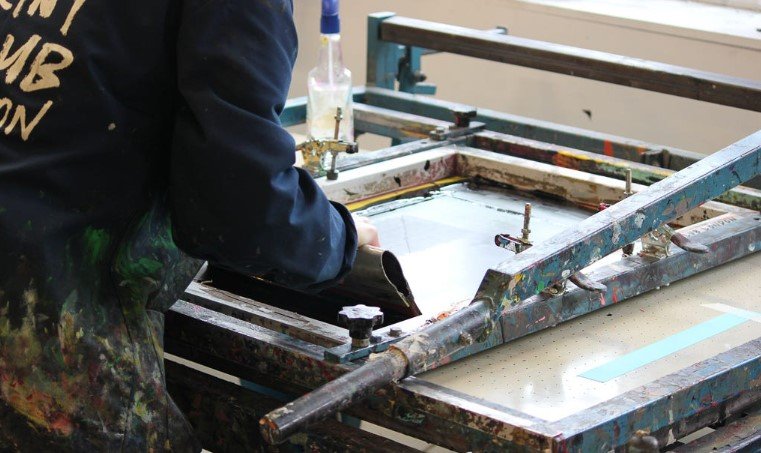
    Before you start your business, it’s important to know the basics of screen printing. Screen printing is a process where ink is transferred onto a surface through a mesh screen. Each design requires its own screen, and it’s essential to understand the techniques involved. Knowing how to start a screen printing business means you must first be familiar with the equipment and the printing process.

    Equipment Needed

    To begin, you’ll need the right tools. The basic equipment includes a screen, a squeegee, a printer, and inks. You will also need a work area with enough space for your tools. Understanding how to use these tools effectively will help you create high-quality prints that your customers will love.

    Learning Techniques

    Learning the right printing techniques will help you deliver the best results. For example, you need to learn how to coat the screen with emulsion, expose the design, and print accurately. Experiment with different designs to master your skills. This knowledge is essential when figuring out how to start a screen printing business that stands out.

    How to Start a Screen Printing Business
    How to Start a Screen Printing Business

    Setting Up Your Screen Printing Shop

    Once you understand the basics, the next step is setting up your shop. A dedicated space will help you work efficiently and maintain an organized business. There are several steps to consider in setting up your business.

    Choose a Location

    Finding the right location is critical for your screen printing business. Ideally, it should be in an area with easy access to customers. It should also have enough space for your equipment and inventory. A good location can make it easier to build a customer base, especially if you plan to offer retail services as well.

    Create a Business Plan

    Creating a solid business plan is crucial for your success. A business plan helps you set goals and plan for the future. It should include details about your products, services, target market, pricing strategy, and expected expenses. Knowing how to start a screen printing business starts with a well-thought-out plan that sets you on the right path.

    Marketing Your Screen Printing Business

    Marketing is a key part of growing your business. Once you have everything set up, it’s time to start attracting customers. Here are some strategies to help you market your screen printing services effectively.

    Build an Online Presence

    Creating a website or social media profiles is essential in today’s world. You can showcase your work, share customer testimonials, and promote special offers. These platforms help you reach a wider audience and show off the quality of your prints. Knowing how to start a screen printing business also includes understanding how to use digital marketing to grow your brand.

    Networking with Clients

    Networking with local businesses, schools, and event organizers can bring in new customers. Offering discounts or collaborations can help get your name out there. By building strong relationships with clients, you can increase repeat business and expand your reach. Word of mouth is a powerful tool when you’re learning how to start a screen printing business.

    Managing Finances and Operations

    Managing the financial side of your business is essential for long-term success. Keeping track of your income and expenses will help you make smart decisions.

    Budgeting for Supplies

    One of the biggest costs in screen printing is the materials you use. Make sure to budget for items like ink, screens, and other equipment. Regularly monitor your expenses to ensure you’re operating efficiently. If you’re wondering how to start a screen printing business successfully, financial planning will be key.

    Tracking Orders and Deliveries

    Having a system for tracking orders and deliveries is also important. This can help you stay organized and deliver products on time. A smooth operation leads to satisfied customers, which is crucial in building a reputation.

    Conclusion

    In conclusion, how to start a screen printing business involves several key steps, from understanding the process to setting up your shop, marketing your services, and managing your finances. With patience, dedication, and practice, you can turn your passion for screen printing into a thriving business. Stay organized, keep learning, and continuously improve your craft. With the right approach, you’ll find success in the screen printing industry.

  • Best Screen Printing Techniques for Beginners

    Best Screen Printing Techniques for Beginners

    Screen printing is a fun and creative way to print designs on different materials, from t-shirts to posters. For beginners, finding the best screen printing techniques can be a challenge. There are many methods, but with a little practice and knowledge, you can create beautiful prints. In this article, we’ll look at some of the easiest and most effective screen printing techniques that are perfect for beginners.

    Choosing the Right Materials for Screen Printing

    To start, you need to gather the right materials for screen printing. Choosing the right materials is one of the first steps in learning the best screen printing techniques. You will need a screen, squeegee, ink, and a stencil or design to print.

    Screen and Mesh Selection

    The screen is the most important part of screen printing. The mesh on the screen holds the ink and helps transfer the design onto your material. For beginners, it’s best to start with a medium mesh count. This will give you good results without too much complexity. The best screen printing techniques will depend on the type of mesh you choose. A lower mesh count works well for bold, solid designs, while a higher count is better for detailed images.

    Ink Selection

    Next, you’ll need to choose the right ink. Water-based inks are great for beginners as they are easy to work with and clean up. They are also environmentally friendly. However, if you’re printing on fabric, you might want to use fabric inks that are more durable. Experimenting with different inks is an important part of discovering the best screen printing techniques for your needs.

    Best Screen Printing Techniques for Beginners
    Best Screen Printing Techniques for Beginners

    Preparing the Screen for Printing

    Once you have all the materials, you’ll need to prepare the screen. Preparing the screen is a crucial part of the best screen printing techniques. Here’s a step-by-step guide:

    Coating the Screen with Emulsion

    Start by coating your screen with emulsion. This emulsion will act as a blocker for areas of the screen where you don’t want ink to pass through. Apply a thin layer of emulsion on both sides of the screen and let it dry completely. Make sure the screen is placed in a dark area, as light will harden the emulsion before you’re ready.

    Exposing the Design

    Once the screen is dry, you can expose the design. Place the design or stencil onto the screen and shine a light over it. The light hardens the emulsion, leaving the design area open for ink. After exposing, rinse the screen with water. The areas that were exposed to light will be hardened and won’t let ink pass through, while the areas under the design will wash away, leaving your stencil behind.

    Printing the Design

    Now that your screen is ready, you can start printing. This is the most exciting part, as it brings your design to life. Learning the best screen printing techniques for this step will make a big difference in the final print.

    Positioning the Screen

    Place your fabric or material flat on a surface where you can easily print. Make sure it’s secured to avoid movement during printing. Position the screen over the material, ensuring it is aligned properly. Alignment is crucial for a sharp print, especially when using detailed designs.

    Using the Squeegee

    With your screen in place, pour ink onto the screen at the top. Then, take your squeegee and gently pull the ink down across the screen, pushing it through the mesh. Be sure to use steady pressure to ensure the ink flows evenly. The best screen printing techniques involve making sure that the ink is spread evenly over the screen, filling the design with color.

    Repeating the Process

    If your design uses multiple colors, you will need to repeat the process for each color. For each new color, clean the screen, apply a new stencil (if necessary), and repeat the inking process. Layering colors is a fun and rewarding part of screen printing, but it requires patience and precision.

    Cleaning Up After Printing

    After you’re done printing, cleaning your equipment is essential. Clean your screen, squeegee, and other tools with water and soap to remove any remaining ink. Proper cleaning is important to maintain your tools and prepare them for the next project.

    Conclusion

    The best screen printing techniques for beginners are all about preparation, patience, and practice. By choosing the right materials, preparing your screen correctly, and carefully printing your design, you’ll be able to create high-quality prints. Start with simple designs and work your way up as you get more comfortable with the process. With time and effort, you’ll discover the best techniques that work for you, allowing you to create beautiful, professional prints. Happy printing!

  • A Beginner’s Guide to Screen Printing Techniques

    A Beginner’s Guide to Screen Printing Techniques

    Screen printing is a popular method for creating vibrant, long-lasting designs on various materials. Whether you want to make custom t-shirts, posters, or other merchandise, screen printing allows you to create unique prints with precision and quality. If you’re new to this process, it can seem intimidating. However, with the right tools and techniques, anyone can start printing like a pro. In this beginner’s guide, we will walk you through the basics of screen printing and how to get started.

    A Beginner’s Guide to Screen Printing Techniques
    A Beginner’s Guide to Screen Printing Techniques

    What is Screen Printing?

    Screen printing, also known as silkscreen printing, involves transferring a design onto a surface using a mesh screen. The screen is coated with a stencil, and ink is pushed through the mesh to create the design. This technique is perfect for printing bold, colorful designs and is commonly used for t-shirts, hoodies, posters, and other items. Unlike digital printing, screen printing can produce high-quality results, even on textured materials like fabric and wood.

    Materials Needed for Screen Printing

    Before you dive into screen printing, it’s important to gather the right materials. The basic tools and supplies you will need include:

    1. Screen Printing Frame: This frame holds the mesh screen in place while you work.
    2. Mesh Screen: A fine mesh material that allows the ink to pass through. The mesh should be tightly stretched and durable.
    3. Emulsion: A photosensitive liquid that helps create the stencil.
    4. Ink: Special screen printing ink is used to transfer the design onto the surface.
    5. Squeegee: A rubber blade used to push ink through the screen.
    6. Printing Surface: This can be t-shirts, paper, or any other material you plan to print on.

    Having these materials ready will make your printing process much smoother.

    Step-by-Step Screen Printing Process

    Once you have the right materials, it’s time to start the printing process. Here’s a simple step-by-step guide to help you get started:

    1. Prepare Your Design

    First, create your design. You can either draw it by hand or use digital design software. If you’re working with a digital design, print it onto a transparent film. This will be used to create the stencil on your screen. Ensure your design has clear, defined lines and is suitable for screen printing.

    2. Coat the Screen with Emulsion

    Next, coat the mesh screen with emulsion using a coating tool. Make sure the emulsion is evenly spread across the screen. After applying the emulsion, let the screen dry in a dark room to avoid exposing it to light before it’s set.

    3. Expose the Design to the Screen

    Place your design (printed on the transparent film) on the screen and expose it to light. The light hardens the emulsion, except where the design blocks it. This creates a stencil of your design on the screen. After exposure, rinse the screen with water to wash away the unexposed emulsion. Let the screen dry.

    4. Print the Design

    Once the stencil is ready, it’s time to print. Position your material (like a t-shirt or paper) under the screen. Pour ink onto one side of the screen, then use the squeegee to pull the ink across the screen, pressing it through the open areas of the stencil. Repeat this process until your design is fully printed.

    5. Dry the Ink

    After printing, allow the ink to dry. Depending on the type of ink used, you may need a heat press or heat gun to speed up the drying process. Once dried, your print is complete and ready for use.

    Conclusion

    Screen printing is a rewarding and creative process that allows you to bring your designs to life. While the process may seem complex at first, it becomes easier with practice. By following the steps outlined in this guide, you’ll be well on your way to producing high-quality prints. As you gain experience, you can experiment with different materials and techniques to create unique designs. Screen printing is a great skill for personal projects or even starting a small business. Happy printing!