Category: Screen Printing

  • How Is Screen Printing Used For Merchandise

    How Is Screen Printing Used For Merchandise

    Screen printing is one of the most popular methods for creating customized merchandise. Businesses, artists, and organizations use it to print logos, designs, and messages on products. It’s versatile, durable, and ideal for bulk production. Let’s dive into how screen printing is used for merchandise and why it’s so effective.

    How Is Screen Printing Used For Merchandise
    How Is Screen Printing Used For Merchandise

    Custom Apparel

    Screen printing is widely used to design custom apparel, such as t-shirts, hoodies, and uniforms. Businesses often print their logos and slogans to create branded clothing. Artists also use this technique to create eye-catching graphic tees.

    Benefits:

    • Bold, vibrant colors that last for years.
    • Works well on various fabrics like cotton and polyester.
    • Ideal for bulk orders due to cost efficiency.

    Examples:

    • Company uniforms with printed logos.
    • Event t-shirts for festivals and fundraisers.

    Tote Bags And Backpacks

    Custom tote bags and backpacks are popular merchandise items for businesses and events. Screen printing allows detailed designs and text to stand out on these items.

    Why It Works:

    • Perfect for promotional products.
    • Eco-friendly totes with custom designs are trendy.
    • Durable prints withstand regular use.

    Examples:

    • Grocery stores offering reusable tote bags with their branding.
    • Schools printing logos on backpacks for students.

    Drinkware And Accessories

    Screen printing can also be used on drinkware, such as mugs, water bottles, and tumblers. It’s a fantastic way to create promotional products or personalized gifts.

    Advantages:

    • Prints are heat and scratch-resistant.
    • Works on ceramic, glass, and metal surfaces.
    • Adds a professional look to everyday items.

    Examples:

    • Coffee shops selling mugs with their branding.
    • Custom water bottles for sports teams.

    Promotional Items

    Businesses use screen printing for various promotional items like pens, notebooks, and keychains. These items are cost-effective and make great giveaways.

    Why Businesses Love It:

    • Promotes brand awareness at trade shows and events.
    • Allows for small, intricate designs.
    • Creates a professional and polished look.

    Examples:

    • Pens with company names and contact details.
    • Notebooks featuring logos and motivational quotes.

    Posters And Art Prints

    Screen printing is also popular for creating high-quality posters and art prints. Artists and brands use it to produce bold, colorful visuals that grab attention.

    Why It’s Effective:

    • Produces sharp and vivid designs.
    • Adds texture and depth to prints.
    • Ideal for limited-edition artworks and promotional posters.

    Examples:

    • Limited-run concert posters.
    • Custom art prints for home décor.

    Event Merchandise

    Screen printing is perfect for event merchandise, such as banners, caps, and wristbands. It helps organizers spread their message and create memorable experiences.

    Why It Works Well:

    • Affordable for bulk production.
    • Customizable for any event theme.
    • Durable prints withstand wear and tear.

    Examples:

    • Caps with logos for corporate events.
    • Wristbands for music festivals and charity runs.

    Conclusion

    Screen printing is an excellent method for creating a wide variety of merchandise. Whether it’s custom apparel, tote bags, drinkware, or event items, this printing technique delivers quality and durability. Its ability to produce bold, colorful designs makes it a favorite for businesses and artists alike. If you’re looking to create unique, long-lasting products, screen printing is the way to go!
  • What Are Common Challenges In Screen Printing

    What Are Common Challenges In Screen Printing

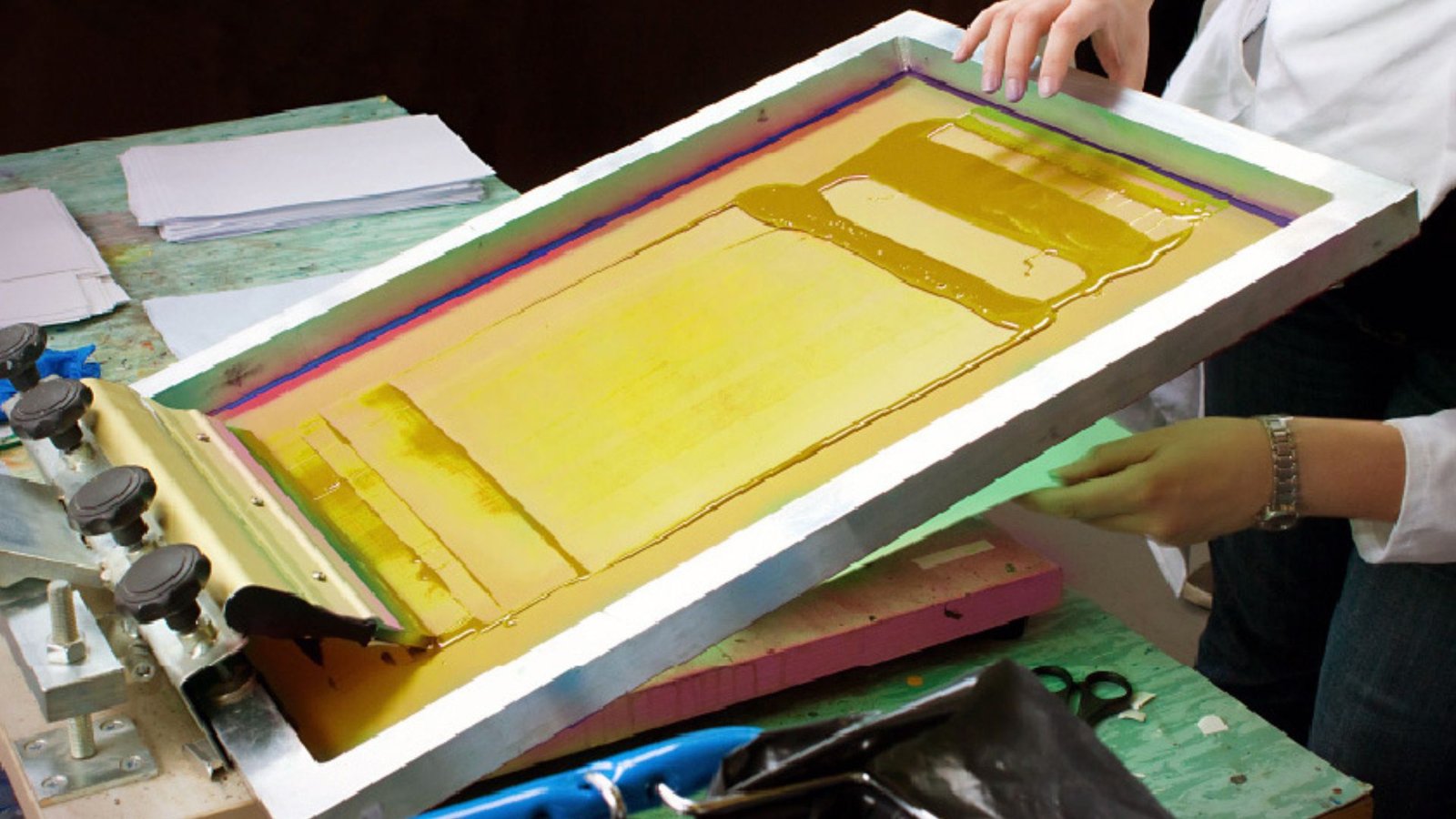
    Screen printing is a popular method for creating vibrant and durable designs. However, it comes with its own set of challenges. Understanding these issues and how to solve them can help you achieve better results. Let’s explore the common challenges in screen printing and practical ways to overcome them.

    What Are Common Challenges In Screen Printing
    What Are Common Challenges In Screen Printing

    Inconsistent Prints

    One common issue is inconsistent prints, where designs may look uneven or blurry. This often happens because of improper pressure, misaligned screens, or uneven surfaces.
    Solution:

    • Apply even pressure while printing.
    • Use a level surface for your material.
    • Ensure screens are tightly secured and aligned properly.

    Poor Ink Coverage

    Sometimes, the ink doesn’t spread evenly, leading to patchy designs. This can occur if the ink is too thick or the squeegee technique is incorrect.
    Solution:

    • Use the right amount of ink for each project.
    • Choose a squeegee with the correct hardness (durometer).
    • Apply consistent strokes during printing.

    Screen Clogging

    Screens can clog if ink dries in the mesh during printing. This disrupts the design and wastes time.
    Solution:

    • Clean screens regularly during use.
    • Use retarder additives to slow ink drying.
    • Keep your workspace humid to prevent quick drying.

    Misaligned Designs

    Misalignment is another frequent problem, especially in multi-color designs. Layers may not line up, ruining the final print.
    Solution:

    • Use registration marks to align screens.
    • Double-check screen placement before starting.
    • Invest in a press with accurate registration capabilities.

    Ink Bleeding

    Ink bleeding occurs when the ink spreads outside the intended area, creating a messy look. This often happens with thin materials or excessive ink.
    Solution:

    • Test the material before printing.
    • Use less ink and apply even pressure.
    • Choose the right type of ink for the material.

    Uneven Curing

    Curing the ink improperly can lead to designs cracking or peeling over time. This is common if the dryer temperature is inconsistent.
    Solution:

    • Use a quality conveyor dryer or flash cure unit.
    • Test curing times and temperatures for your ink type.
    • Avoid over-curing or under-curing.

    Screen Damage

    Screens can tear or warp if handled carelessly. Damaged screens affect print quality and increase costs.
    Solution:

    • Handle screens gently during setup and cleaning.
    • Store them in a safe, dry area.
    • Use high-quality screens that are built to last.

    Difficulty Printing On Specialty Materials

    Printing on materials like glass, metal, or plastic can be tricky because they require special inks and techniques.
    Solution:

    • Use inks specifically designed for the material.
    • Test prints on a sample before production.
    • Adjust curing times and pressure to suit the surface.

    Long Setup Time

    Screen printing setups can take time, especially for complex designs. This slows down production and increases labor costs.
    Solution:

    • Organize tools and materials before starting.
    • Streamline your workflow by labeling screens and inks.
    • Practice your setup process to save time.

    Conclusion: Overcoming Screen Printing Challenges

    Screen printing offers amazing results, but it’s important to address its challenges. From inconsistent prints to ink bleeding, these issues can be solved with the right tools and techniques. Stay organized, use quality materials, and maintain your equipment regularly. With practice and attention to detail, you can create stunning screen-printed designs with ease!

  • How To Choose Screen Printing Equipment Wisely

    How To Choose Screen Printing Equipment Wisely

    Starting a screen printing project or business requires the right equipment. Choosing screen printing equipment wisely ensures you produce high-quality results and avoid unnecessary costs. Whether you’re new to screen printing or upgrading your tools, these tips will guide you through the process.

    How To Choose Screen Printing Equipment Wisely
    How To Choose Screen Printing Equipment Wisely

    Understand Your Screen Printing Needs

    Before buying equipment, think about your goals.

    • Are you printing for personal use or starting a business?
    • How many items do you plan to print daily?
    • Will you print on T-shirts, bags, or other surfaces?

    Knowing your needs helps you pick equipment that matches your production goals and budget.

    Start With A Quality Screen Printing Press

    The screen printing press is the core of your setup. Choose a press based on your workload:

    • Manual presses: Ideal for beginners or small batches. They cost less and are easy to use.
    • Automatic presses: Better for high-volume production. They save time and reduce manual effort.

    Look for presses that are sturdy, adjustable, and easy to maintain.

    Choose The Right Screens And Frames

    Screens and frames are essential for creating designs. Pay attention to these factors:

    • Mesh count: A higher mesh count works well for detailed designs, while a lower count is best for bold prints.
    • Material: Aluminum frames are durable, while wooden frames are affordable for beginners.

    Investing in high-quality screens improves print precision and durability.

    Select Reliable Ink And Coating Supplies

    Ink quality affects the final look of your prints. Consider these options:

    • Plastisol ink: Durable and easy to use for beginners.
    • Water-based ink: Eco-friendly and ideal for soft, breathable prints.
    • Specialty inks: Choose metallic or glow-in-the-dark inks for unique designs.

    Also, stock up on emulsion and chemicals for coating and cleaning your screens.

    Invest In An Efficient Exposure Unit

    Exposure units help transfer designs onto screens. For optimal results, choose an exposure unit that matches your budget:

    • Basic lightboxes: Affordable and suitable for small projects.
    • High-end exposure units: Faster and more accurate for professional use.

    Ensure the unit provides even light exposure for sharp, clear designs.

    Don’t Forget A Good Dryer And Flash Cure Unit

    To complete your setup, you’ll need drying equipment:

    • Conveyor dryers: Great for large-scale production. They ensure consistent drying.
    • Flash cure units: Perfect for quick drying between layers during multi-color printing.

    Dryers are essential to prevent smudging and improve the durability of prints.

    Stick To Your Budget Without Compromising Quality

    Screen printing equipment can be expensive, but you don’t have to overspend. Here’s how to stay within budget:

    • Buy used equipment in good condition.
    • Start small and upgrade as your business grows.
    • Compare prices from different suppliers to get the best deal.

    Always prioritize quality over cheap options to avoid costly repairs later.

    Research Trusted Brands And Suppliers

    Buying from reliable brands ensures your equipment lasts longer. Look for companies with positive reviews and excellent customer service. You can also join online forums or ask fellow printers for recommendations.

    Test Equipment Before Buying

    If possible, test equipment before purchasing. This allows you to check:

    • Ease of use
    • Durability
    • Compatibility with your workflow

    Testing ensures you invest in tools that fit your needs perfectly.

    Maintain Your Equipment For Longevity

    Once you buy your equipment, regular maintenance is key to extending its lifespan. Clean screens after every use, check presses for alignment, and store inks properly. Proper care prevents breakdowns and ensures consistent results.

    Conclusion

    Choosing screen printing equipment wisely means focusing on quality, functionality, and budget. Start by understanding your needs, then invest in a sturdy press, reliable screens, quality ink, and efficient drying tools. With careful research and maintenance, you can build a setup that delivers excellent results every time. Take your time, and choose equipment that supports your printing goals!

  • What Are The Costs Of Screen Printing

    What Are The Costs Of Screen Printing

    Screen printing offers businesses and individuals a versatile way to create custom designs. However, understanding the costs of screen printing is essential for planning your projects. From equipment to materials, several factors influence the final price. Let’s break down the costs of screen printing and how you can manage them effectively.

    What Are The Costs Of Screen Printing
    What Are The Costs Of Screen Printing

    Initial Costs Of Screen Printing Equipment

    If you plan to start screen printing yourself, you’ll need to invest in equipment. This includes:

    • A screen printing press
    • Screens and frames
    • Squeegees and spatulas
    • Exposure unit or lightbox

    For a small setup, basic equipment can cost around $500 to $1,000. However, high-end machines for larger production can cost several thousand dollars. The upfront investment may seem steep, but it pays off for long-term use.

    Costs Of Screen Printing Supplies And Materials

    Materials play a significant role in screen printing costs. You’ll need items like:

    • Inks: Prices vary depending on the type (water-based, plastisol, or specialty inks). Expect to pay $20 to $50 per quart.
    • Screens: These cost between $15 and $40 each, depending on size and quality.
    • Emulsion and chemicals: Plan for about $50 to $100 for coating screens and cleaning supplies.

    Additionally, the type of fabric or item you print on will affect costs. Cotton T-shirts, for example, cost less than custom materials like canvas bags or jackets.

    Bulk Printing Costs For Businesses

    For businesses, bulk screen printing orders often come with discounts. The more items you print, the lower the cost per unit. Here’s an estimate:

    • Printing 10 T-shirts may cost $10 to $15 per shirt.
    • Printing 100 shirts can reduce the cost to $5 to $7 per shirt.

    Bulk printing helps businesses save money, especially when producing promotional items or uniforms.

    Design Complexity And Its Impact On Costs

    Simple, one-color designs are more affordable compared to multi-color or intricate graphics. This is because each color requires its own screen, which adds time and material costs. For example:

    • A single-color design may cost $5 to $8 per print.
    • A three-color design could cost $10 to $15 per print.

    Choosing simple designs can help you save money without sacrificing quality.

    Cost Differences Between DIY And Professional Printing

    Doing screen printing yourself can save money over time, but it requires an initial investment in equipment and materials. On the other hand, professional printing services charge per item, but they save you time and effort.

    Here’s a quick comparison:

    • DIY screen printing: Higher upfront costs but lower long-term expenses.
    • Professional printing services: No setup costs but higher per-unit prices.

    Deciding between the two depends on your budget, volume, and goals.

    Factors That Affect Screen Printing Costs

    Several factors can influence the cost of screen printing:

    1. Material type: Printing on specialty fabrics or textured surfaces increases costs.
    2. Ink quality: Specialty inks, like metallic or glow-in-the-dark, cost more than standard inks.
    3. Order size: Larger orders typically reduce the cost per item.
    4. Turnaround time: Rush orders may come with additional fees.

    Understanding these factors can help you budget more effectively.

    How To Save Money On Screen Printing

    There are several ways to keep screen printing costs low:

    • Order in bulk to lower the per-unit price.
    • Use simple designs with fewer colors.
    • Choose standard materials like cotton T-shirts over specialty items.
    • Work with a trusted printing company that offers competitive rates.

    If you’re starting a screen printing business, buying second-hand equipment or using eco-friendly inks can also help save costs.

    Long-Term Value Of Screen Printing

    While the upfront costs of screen printing may seem high, the long-term value is worth it. Screen-printed items are durable, vibrant, and professional-looking, making them an excellent investment for branding and marketing.

    Whether you’re printing for personal use or business, screen printing offers high-quality results that leave a lasting impression.

    Conclusion

    Screen printing costs vary depending on factors like equipment, materials, and order size. While the upfront investment can be significant, the quality and durability of screen-printed items make it a cost-effective option in the long run. By understanding the key cost factors and finding ways to save, you can make screen printing work for your needs and budget. Start exploring screen printing today to create impactful designs!

  • How Does Screen Printing Enhance Branding Opportunities

    How Does Screen Printing Enhance Branding Opportunities

    Screen printing has become a go-to method for businesses aiming to boost their brand visibility. This technique allows companies to create eye-catching designs on various materials, from T-shirts to tote bags. With its versatility and cost-effectiveness, screen printing offers endless opportunities to promote a brand. Let’s explore how screen printing helps businesses build stronger brand identities.

    How Does Screen Printing Enhance Branding Opportunities
    How Does Screen Printing Enhance Branding Opportunities

    Create Custom Merchandise For Brand Awareness

    Screen printing is perfect for producing custom merchandise that showcases a business’s logo or message. From T-shirts to hats, these branded items are walking advertisements. Customers wearing or using your products can spread your brand everywhere they go.

    Custom merchandise is especially useful for:

    • Trade shows and events
    • Employee uniforms
    • Customer giveaways

    These items create a memorable impression and help your business stand out.

    Offer High-Quality And Durable Branding

    Unlike other printing methods, screen printing delivers vibrant and long-lasting results. The ink penetrates deeply into the fabric, ensuring the design stays intact after multiple washes. This durability reflects positively on your brand, showing customers that you prioritize quality.

    Moreover, the bold colors and crisp details of screen printing make your branding more noticeable. This enhances the chances of your logo or design catching people’s attention.

    Use Screen Printing On A Wide Range Of Materials

    Screen printing works on a variety of surfaces, allowing businesses to get creative with their branding efforts. Beyond apparel, you can print on:

    • Tote bags
    • Water bottles
    • Posters
    • Notebooks

    Using diverse materials gives your brand more exposure in different settings, from offices to outdoor events. This versatility ensures your brand reaches a wide audience.

    Build Emotional Connections Through Personalization

    Personalized items resonate more with customers. Screen printing makes it easy to customize designs for specific events, campaigns, or audiences. For example, you can create limited-edition products for a product launch or special celebration.

    When customers see a personalized touch, they feel valued. This emotional connection strengthens their loyalty to your brand and increases the likelihood of repeat business.

    Enhance Event Marketing With Branded Giveaways

    Events are an excellent opportunity to distribute screen-printed promotional items. Attendees are more likely to remember your brand if they leave with a useful or appealing product. Popular event giveaways include:

    • Branded T-shirts
    • Reusable bags
    • Caps with your logo

    These items not only create a positive association with your brand but also increase visibility as attendees use them long after the event.

    Save Costs While Reaching More Customers

    Screen printing is cost-effective, especially for bulk orders. Businesses can produce high volumes of branded items without breaking the budget. This affordability allows companies to distribute their products widely, increasing brand exposure.

    For startups or small businesses, screen printing provides a low-cost way to compete with larger brands. You can reach more customers without overspending on marketing efforts.

    Support Eco-Friendly Branding

    For businesses focused on sustainability, screen printing can align with eco-friendly values. Many screen printing companies now offer:

    • Water-based inks that are less harmful to the environment
    • Organic or recycled materials for printing

    Using sustainable practices shows customers that your brand cares about the planet. This can attract environmentally conscious consumers and enhance your brand reputation.

    Foster Employee Pride And Unity

    Screen-printed uniforms or apparel create a sense of belonging among employees. A team wearing branded clothing feels more unified and professional. This not only boosts morale but also reinforces your brand image during interactions with customers.

    Additionally, employees wearing branded gear act as brand ambassadors, spreading awareness wherever they go.

    Conclusion: Screen Printing Boosts Branding Potential

    Screen printing is a powerful tool for enhancing branding opportunities. From custom merchandise to eco-friendly options, it allows businesses to connect with customers in creative and meaningful ways. Its affordability, durability, and versatility make it an ideal choice for boosting brand visibility. Start using screen printing today to create lasting impressions and grow your brand.

  • How To Start A Screen Printing Business From Scratch

    How To Start A Screen Printing Business From Scratch

    Starting a screen printing business from scratch can be a rewarding way to turn creativity into profit. Whether you want to design custom apparel or create promotional products, screen printing offers endless possibilities. With the right tools, techniques, and business plan, you can establish a successful screen printing business. Let’s explore the key steps to get started.

    How To Start A Screen Printing Business From Scratch
    How To Start A Screen Printing Business From Scratch

    Research The Screen Printing Industry

    Before jumping in, learn as much as possible about the screen printing industry. Research market trends, popular products, and your target audience. Understand what customers are looking for, such as custom T-shirts, tote bags, or promotional materials. Study competitors to identify gaps in the market.

    Additionally, familiarize yourself with screen printing techniques and materials. Learn about different inks, fabrics, and printing methods to deliver high-quality products. Researching early ensures you start with a strong foundation.

    Create A Business Plan

    A solid business plan is essential when starting a screen printing business. Outline your goals, target market, and budget. Include details about the equipment and supplies you’ll need.

    Also, calculate your startup costs, including:

    • Screen printing machines
    • Inks and screens
    • Blank apparel or materials
    • Business licenses and permits

    Set realistic pricing for your services. Ensure your rates cover production costs and generate profit. A clear business plan will guide you through the startup process and attract potential investors if needed.

    Choose The Right Equipment And Supplies

    Investing in quality equipment is critical for success. Beginners can start with a basic screen printing kit that includes screens, squeegees, and inks. For larger-scale operations, consider buying an automatic or manual screen printing press.

    Other essential supplies include:

    • Emulsion for screen preparation
    • Exposure units to transfer designs onto screens
    • Heat presses to cure the ink
    • Blank items like T-shirts, hoodies, or posters

    Opt for eco-friendly inks and materials if you want to target sustainability-focused customers.

    Find A Suitable Workspace

    You’ll need a workspace for your screen printing equipment and materials. A garage, basement, or small rented studio can work as a starting point. Make sure the space has proper ventilation, especially if you’re using chemical-based inks or emulsions.

    Also, organize your workspace for efficiency. Keep screens, inks, and tools within easy reach. A well-organized setup saves time and increases productivity.

    Learn The Screen Printing Process

    Before offering services, practice the screen printing process to perfect your skills. Follow these steps:

    1. Create the design. Use graphic design software to make artwork.
    2. Prepare the screen. Coat the screen with emulsion and expose it to light with your design.
    3. Set up the materials. Place the item to be printed on the press.
    4. Print the design. Apply ink to the screen and use a squeegee to press it through onto the material.
    5. Cure the ink. Use a heat press or dryer to cure the ink, making it permanent.

    Practice on scrap materials until you feel confident in producing high-quality prints.

    Market Your Screen Printing Business

    To attract customers, you need an effective marketing strategy. Start by creating a professional website showcasing your services, pricing, and contact information. Include a portfolio of your best work.

    Utilize social media platforms like Instagram and Facebook to share your designs and engage with potential customers. Post regularly and use hashtags to increase visibility.

    You can also:

    • Partner with local businesses for custom printing needs.
    • Attend community events and trade shows to promote your business.
    • Offer discounts or promotions for first-time customers.

    Word-of-mouth referrals and online reviews can also help grow your client base.

    Build Relationships With Suppliers

    Establish strong relationships with reliable suppliers for blank materials and inks. Look for wholesalers who offer competitive pricing and fast shipping. Having dependable suppliers ensures you can fulfill orders on time without delays.

    Stay Up-To-Date With Trends

    The screen printing industry constantly evolves with new techniques and trends. Stay informed by attending workshops, joining online forums, and following industry leaders. Offering trendy designs or eco-friendly options can set your business apart from competitors.

    Conclusion: Start Your Screen Printing Business Today

    Starting a screen printing business from scratch requires dedication, research, and practice. By investing in quality equipment, learning the printing process, and marketing your services, you can build a successful business. With creativity and persistence, you’ll turn your passion for screen printing into a profitable venture. Start today and watch your business grow!

  • What Are The Environmental Benefits Of Screen Printing

    What Are The Environmental Benefits Of Screen Printing

    Screen printing is a popular printing method used to create vibrant designs on various materials. Not only is it known for its high-quality results, but screen printing also offers several environmental benefits. As more businesses and individuals seek sustainable alternatives, screen printing proves to be a green choice in the world of printing. This article will highlight the key environmental benefits of screen printing, including its sustainability, eco-friendly materials, and waste-reducing techniques.

    What Are The Environmental Benefits Of Screen Printing
    What Are The Environmental Benefits Of Screen Printing

    Sustainable Materials in Screen Printing

    One of the main environmental benefits of screen printing is the use of sustainable materials. Many screen printing companies now offer eco-friendly inks and substrates that reduce the environmental impact of the printing process. For example, water-based inks are a popular eco-friendly option because they are made without harmful solvents or chemicals. These inks are less toxic and have a lower environmental impact compared to traditional plastisol inks.

    Additionally, businesses are increasingly choosing organic fabrics like cotton and hemp for screen printing. These materials are grown without the use of harmful pesticides or chemicals, making them a more sustainable choice compared to conventional fabrics. By using eco-friendly materials for both the inks and the fabrics, screen printing can help reduce the environmental footprint of custom designs.

    Energy Efficiency in Screen Printing

    Screen printing is often more energy-efficient compared to other printing methods. Unlike digital printing, which can require a lot of energy to power printers and machines, screen printing typically uses less energy. The printing process itself involves fewer steps, and the use of specialized screen printing machines allows for faster production with lower energy consumption.

    Moreover, screen printing doesn’t require the use of heavy machinery for each print, which also reduces energy consumption. This means that businesses can create high-quality printed products while minimizing their energy usage and reducing their carbon footprint.

    Waste Reduction Through Screen Printing

    Screen printing can be a more waste-reducing process than other printing methods. Unlike digital printing, which often generates a lot of waste due to excess ink and unused material, screen printing is more precise, using only the amount of ink needed for each print. This ensures less waste in the printing process.

    Furthermore, screen printing allows for the reuse of screens. After each print run, the ink on the screen can be cleaned off and reused, which means fewer materials are wasted. This is particularly beneficial for large print runs, where waste can otherwise accumulate quickly.

    Recycling and Reuse in Screen Printing

    Many screen printing companies have adopted recycling practices that further help to reduce environmental impact. For example, used screens can be cleaned and reused for future printing jobs. This reduces the need for new screens and minimizes waste.

    Additionally, screen printing shops often recycle excess materials, such as paper, plastic, and metal. By adopting these recycling practices, businesses in the screen printing industry are contributing to a more sustainable and circular economy.

    Reduced Use of Harmful Chemicals

    Another significant environmental benefit of screen printing is the reduction in the use of harmful chemicals. Traditional printing methods often involve chemicals that are toxic and harmful to the environment. However, screen printing can be done with fewer harmful substances.

    Many screen printing companies now offer non-toxic, eco-friendly inks and chemicals, reducing the environmental and health risks associated with printing. Water-based inks, as mentioned earlier, are a great example of this, as they don’t contain harmful solvents, reducing air pollution and making them safer for workers to handle.

    Local Production and Lower Transportation Impact

    Screen printing often involves local production, which means that businesses can reduce the transportation impact of shipping products long distances. When products are printed locally, it cuts down on carbon emissions associated with shipping, reducing the overall environmental footprint.

    This is particularly important for businesses that want to support local economies while being more eco-conscious. By working with local screen printing companies, businesses can produce products that have a smaller environmental impact, both in terms of energy use and transportation emissions.

    Conclusion

    Screen printing is an eco-friendly printing method that offers numerous environmental benefits. From using sustainable materials and inks to reducing waste and energy consumption, screen printing provides a greener alternative to other printing methods. As businesses continue to prioritize sustainability, screen printing offers a valuable option for creating custom designs while minimizing environmental impact. By embracing eco-friendly practices, businesses can produce high-quality printed products while contributing to a more sustainable future.

  • How Can Screen Printing Be Used For Promotional Products

    How Can Screen Printing Be Used For Promotional Products

    Screen printing is a popular and effective method for creating custom promotional products. From branded T-shirts and tote bags to mugs and pens, screen printing allows businesses to showcase their logo, messages, and designs on various products. This method ensures high-quality prints that are durable and eye-catching, making it an ideal choice for promotional items. In this article, we will explore how screen printing can be used for promotional products to boost your brand’s visibility.

    How Can Screen Printing Be Used For Promotional Products
    How Can Screen Printing Be Used For Promotional Products

    Choosing the Right Promotional Products for Screen Printing

    The first step in creating successful promotional products with screen printing is choosing the right items to print on. Common promotional products that work well with screen printing include:

    • T-shirts and apparel
    • Tote bags and backpacks
    • Mugs and drinkware
    • Caps and hats
    • Pens and stationery

    When selecting products, consider your target audience and how they will use the items. Choose items that align with your brand and will be useful to your customers, as this increases the likelihood they will use them frequently and share them with others.

    Designing Promotional Products for Screen Printing

    The design you choose for your promotional product plays a key role in its success. Ensure that your design is simple, clear, and easy to reproduce on different surfaces. Use bold, vibrant colors that will stand out and catch attention, but avoid overly complicated graphics that may not print well.

    For the best results, create your design in a vector format (like . EPS or .AI), as this allows for precise scaling without losing quality. If you’re printing on multiple products, consider how the design will look across various items, ensuring it remains consistent and clear.

    Choosing the Right Ink for Your Promotional Products

    Choosing the right ink for screen printing is essential for ensuring your promotional products look great and last long. There are two main types of inks commonly used for promotional items:

    • Plastisol inks: These inks are durable and have a glossy finish, making them ideal for items like T-shirts and bags that will be used frequently. Plastisol ink sits on top of the fabric, making it long-lasting and resistant to fading.
    • Water-based inks: These inks are more eco-friendly and offer a softer feel. They work well for promotional products made from organic or eco-friendly materials. Water-based inks also tend to have a more subtle, matte finish.

    Make sure to choose the ink type that aligns with the material of the promotional product and the look you’re trying to achieve.

    Screen Printing on Different Materials for Promotional Products

    Screen printing is versatile and can be used on a wide range of materials for promotional products. Some of the most common materials include:

    • Cotton and polyester fabrics: Ideal for T-shirts, bags, and hats, these fabrics absorb ink well and allow for vibrant designs.
    • Ceramic and glass: Mugs, cups, and other drinkware can be printed with screen printing to showcase logos and messages.
    • Plastic: Pens, keychains, and other plastic items are perfect for screen printing and can be printed with bold, long-lasting designs.

    Each material requires specific care during the screen printing process. Be sure to adjust the ink and curing methods based on the material to ensure the print adheres properly and remains durable.

    The Durability of Screen Printing on Products

    One of the major benefits of screen printing for promotional products is its durability. When done correctly, screen prints can last for a long time, even after multiple washes or heavy use. This makes screen printing ideal for items like T-shirts, bags, and other products that people will use regularly.

    To ensure the best durability, it’s important to cure the ink properly. This process helps set the ink, preventing it from fading or cracking over time. Additionally, when printing on items like T-shirts, be sure to choose high-quality fabrics that can withstand repeated washing.

    Cost-Effective Marketing with Screen Printing on Promotional Products

    Screen printing is an affordable way to create custom promotional products, especially when ordered in bulk. The more products you print, the lower the cost per item becomes, making it a cost-effective choice for businesses with a tight marketing budget. Whether you’re printing hundreds or thousands of products, screen printing offers a great return on investment for promoting your brand.

    By using screen printing for your products, you can create a large quantity of high-quality, eye-catching items at an affordable price.

    Maximizing the Impact of Promotional Products

    To maximize the impact of your promotional products, make sure they are distributed in places where they will be seen by your target audience. Consider handing them out at trade shows, events, or giveaways, and even sending them as part of a customer loyalty program. When people use your branded items in public, it increases your brand visibility and helps generate word-of-mouth marketing.

    Conclusion

    Screen printing is a versatile and effective method for creating high-quality products that will help boost your brand visibility. By choosing the right products, designing a strong logo or message, and using durable inks and techniques, you can create items that will leave a lasting impression on your customers. Whether for giveaways, events, or employee gifts, screen printing is a reliable and cost-effective way to promote your business and make a lasting impact on your audience.

  • What Are The Best Practices For Successful Screen Printing

    What Are The Best Practices For Successful Screen Printing

    Screen printing is a popular technique used for creating custom designs on various products, such as apparel and accessories. Whether you’re a beginner or an experienced printer, using the best practices for screen printing ensures high-quality, durable prints. In this article, we will guide you through the essential steps for achieving successful screen printing every time.

    What Are The Best Practices For Successful Screen Printing
    What Are The Best Practices For Successful Screen Printing

    Choosing the Right Screen and Mesh Count for Quality Screen Printing

    To start, selecting the correct screen and mesh is crucial for creating clear and accurate prints. The mesh count determines the amount of ink that will pass through, which directly impacts the detail of your design. For detailed designs, choose a higher mesh count to allow more precision. For simpler designs or larger areas, a lower mesh count is more effective. Always match the screen size to the design and the product to avoid alignment issues.

    Preparing Artwork for Screen Printing Success

    Preparing your artwork correctly is essential for successful screen printing. The design should be in a vector format, such as. EPS or. AI, to ensure scalability without losing quality. When preparing your artwork for screen printing, ensure each color is separated on a different layer for precise printing. For printing on dark fabrics, use a white under base to ensure bright colors show through. Always review your design for pixelation or errors before printing.

    Selecting the Right Inks for Your Screen Printing Projects

    Choosing the right ink for your screen printing project is important for achieving the desired result. Water-based inks are ideal for achieving soft, breathable prints on fabric, while plastisol inks are perfect for bold designs that need a glossy finish. Selecting the proper ink ensures that your design stays vibrant, durable, and long-lasting. It’s also important to apply just the right amount of ink to avoid oversaturation or smudging.

    Coating the Screen with Emulsion for Sharp Prints

    Coating your screen with emulsion is an essential step in the screen printing process. The emulsion is a light-sensitive substance that creates the stencil for your design. Apply a thin, even layer of emulsion on both sides of the screen, and allow it to dry in a dust-free area. Even application ensures clean, sharp prints. Exposure to light hardens the emulsion, leaving your design on the screen. Always follow manufacturer instructions to ensure proper exposure.

    Using Consistent Printing Techniques for High-Quality Results

    Consistency is the key to successful screen printing. Use the same amount of pressure when pulling the squeegee across the screen to avoid uneven prints. Keep the squeegee at a consistent angle, and ensure a smooth, straight motion when printing. This consistency helps ensure that every print is as sharp and vibrant as the last, giving you high-quality results.

    Curing Your Screen Prints for Durability

    Curing your screen prints properly is essential for ensuring that the design lasts through wear and washing. Water-based inks air dry, but plastisol inks require a heat press or a conveyor dryer for curing. Follow the manufacturer’s instructions for the appropriate temperature and time to cure the ink fully. This process helps prevent fading and ensures that your prints are durable for a long time.

    Testing Your Prints to Avoid Common Mistakes

    Before starting a full production run, always test your prints on sample products. This allows you to check for issues like ink bleeding, misalignment, or uneven coverage. If you notice any issues, adjust the screen or printing technique accordingly. Testing also helps you determine if your ink or curing methods need adjustment, ensuring the best results before the full production process begins.

    Cleaning Your Screen Printing Equipment Regularly for Optimal Results

    After every print run, it’s important to clean your screen printing equipment thoroughly. Regular cleaning prevents ink build-up and keeps your tools in good condition. Use the right cleaning solutions based on the type of ink used. Proper cleaning ensures that your screens remain clear and free from blockages, allowing you to produce sharp, high-quality prints each time.

    Conclusion

    By following the best practices for screen printing, you can ensure the production of high-quality, durable designs on a variety of products. Whether you’re printing custom apparel, promotional items, or other merchandise, the right techniques and materials make all the difference. Consistently using these practices will improve the quality of your prints and help you achieve successful results every time.

  • How Is Screen Printing Revolutionizing The Fashion Industry

    How Is Screen Printing Revolutionizing The Fashion Industry

    Screen printing is revolutionizing the fashion industry by offering a unique combination of creativity, customization, and sustainability. This printing method, once mainly used for basic t-shirts, has expanded its reach to various fashion products, providing designers with endless possibilities. In this article, we will explore how screen printing is shaping fashion, from custom designs to eco-friendly practices.

    How Is Screen Printing Revolutionizing The Fashion Industry
    How Is Screen Printing Revolutionizing The Fashion Industry

    Customization and Personalization of Apparel

    One of the biggest ways screen printing is revolutionizing the fashion industry is by enabling mass customization. Clothing brands and designers now can offer unique, personalized designs for their customers. Through screen printing, they can create custom t-shirts, hoodies, jackets, and more with intricate graphics, logos, and text. This has opened up opportunities for consumers to express their style and for brands to offer more diverse product lines.

    Custom apparel also creates a direct connection between the consumer and the brand, enhancing brand loyalty and creating a more personalized shopping experience. As consumer demand for unique fashion continues to grow, screen printing has become a powerful tool for businesses looking to stay relevant in a competitive market.

    Cost-Effective Production for Small Runs

    Traditionally, fashion production was only cost-effective for large-scale orders, but screen printing has changed that. It allows for affordable production runs of small batches, which is ideal for independent designers and small businesses. Small runs of custom apparel, without sacrificing quality or design, are now more accessible than ever. This shift has encouraged more small designers to enter the market, offering fresh, innovative designs that cater to niche audiences.

    By reducing the barriers to entry, screen printing has made it easier for fashion entrepreneurs to bring their ideas to life. Whether it’s a limited-edition collection or a one-of-a-kind custom piece, screen printing is making fashion more inclusive and diverse.

    Sustainable Practices in Fashion with Screen Printing

    The fashion industry has long been criticized for its negative impact on the environment, but screen printing is contributing to more sustainable practices. One of the key ways screen printing supports sustainability is by reducing waste. Unlike digital printing, which requires large amounts of ink and water, screen printing uses a more efficient method with minimal waste. Additionally, eco-friendly inks and water-based inks are increasingly used in screen printing, reducing the environmental footprint of the process.

    Fashion brands are also turning to sustainable fabrics such as organic cotton, recycled polyester, and hemp for their screen-printed apparel. This move towards eco-friendly materials combined with sustainable printing methods is helping to make the fashion industry greener.

    High-Quality and Long-Lasting Prints

    Another reason screen printing is revolutionizing fashion is the quality and durability of the prints. Screen printing creates sharp, vibrant, and long-lasting designs. The ink used in screen printing bonds well with the fabric, ensuring that the design does not fade or crack over time. This makes it perfect for creating high-quality fashion products that can withstand the test of time, even with repeated washes.

    For fashion brands, this durability is crucial. It ensures that their designs maintain their look and appeal, which is important for building a lasting brand reputation. Customers are more likely to buy products that they know will last and look good for years to come.

    Expanding the Range of Fashion Products

    Screen printing has also expanded the range of fashion products beyond traditional clothing. Today, fashion brands are using screen printing on accessories, bags, shoes, hats, and even home décor. This versatility allows designers to experiment with different types of products and create unique collections that stand out in the crowded fashion marketplace.

    With the ability to print on various materials, screen printing enables fashion designers to push the boundaries of their creativity. The fashion industry can now incorporate intricate designs and bold patterns on a variety of products, giving designers more freedom to explore new possibilities.

    Collaboration with Artists and Brands

    Screen printing has also opened doors for collaborations between artists and fashion brands. Many fashion labels work with graphic artists, illustrators, and designers to create exclusive screen-printed collections. This partnership brings fresh, unique artwork to the fashion world and allows consumers to buy limited-edition items that showcase the work of talented artists.

    Collaborations between fashion brands and artists are often highly anticipated by consumers, creating excitement around new collections. Screen printing makes these collaborations possible by offering a practical and cost-effective way to bring custom designs to life.

    Conclusion

    Screen printing is revolutionizing the fashion industry by providing opportunities for customization, sustainability, and high-quality production. As more brands embrace this technique, screen printing allows for a greater range of creative possibilities and cost-effective solutions. Whether it’s custom apparel, eco-friendly practices, or new product designs, screen printing is shaping the future of fashion. With its ability to create durable, vibrant, and unique designs, this printing method is set to continue its influence on the fashion world for years to come.