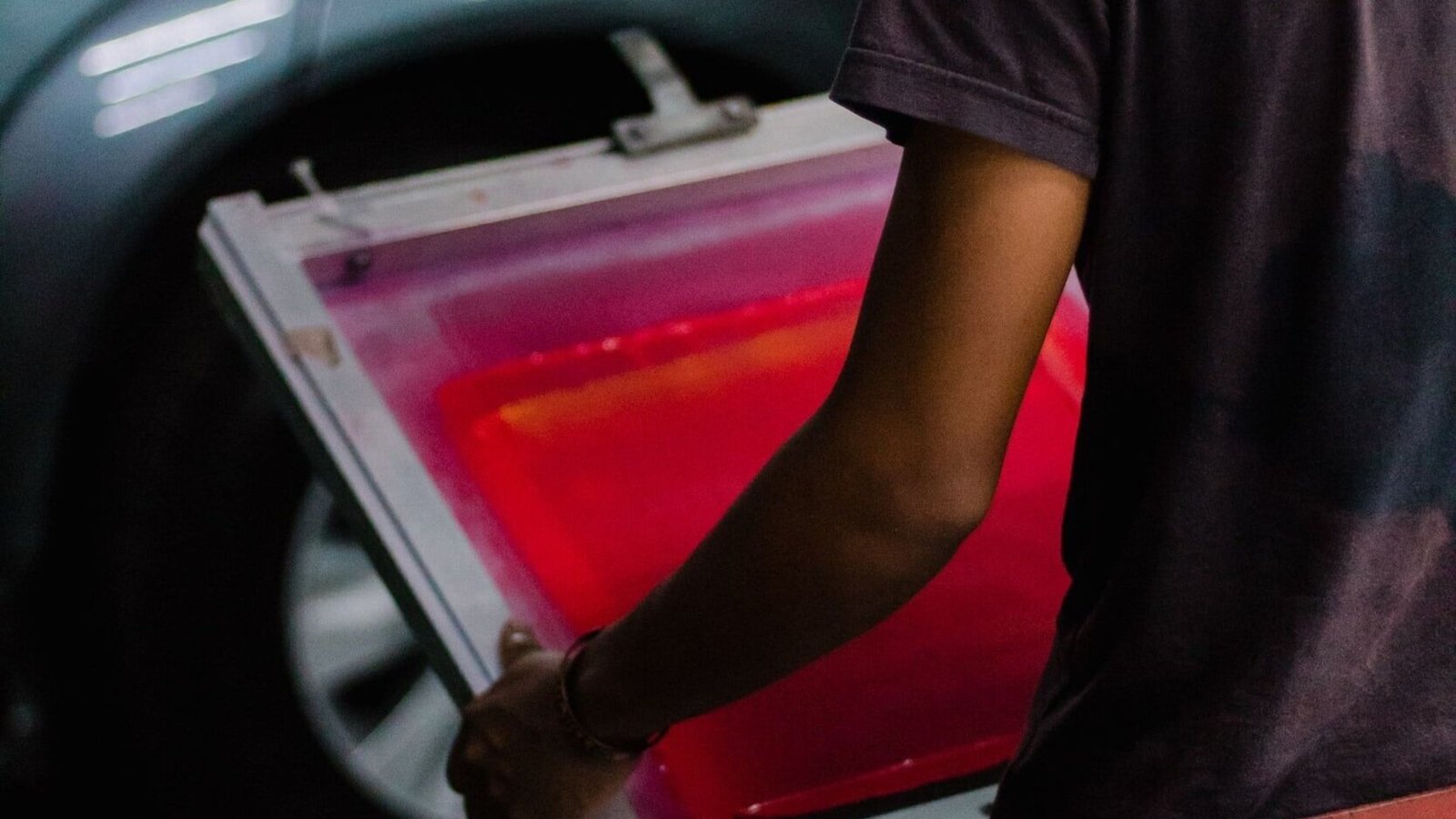
Category: Screen Printing

  • What Materials Can Be Used For Screen Printing Designs

    What Materials Can Be Used For Screen Printing Designs

    Screen printing is a versatile printing method that works well on many different materials. From t-shirts to posters, this technique can produce vibrant and durable designs. However, to get the best results, it’s important to choose the right material. In this article, we will look at some of the most popular materials used for screen printing.

    What Materials Can Be Used For Screen Printing Designs
    What Materials Can Be Used For Screen Printing Designs

    Fabrics: T-Shirts, Hoodies, and More

    One of the most common materials for screen printing is fabric. Screen printing is ideal for clothing items like t-shirts, hoodies, and sweatshirts. Cotton and polyester fabrics are the most popular choices, but blends of these materials also work well. Cotton provides a smooth surface that absorbs ink, ensuring crisp, clear designs. Polyester, on the other hand, holds color well and is more durable for long-term use. Both fabrics can deliver great results with screen printing.

    When choosing fabric for screen printing, make sure it’s pre-washed. This prevents any shrinkage or distortions during the printing process. Also, consider the fabric color—screen printing works best on light-colored materials, as the ink will stand out more clearly. However, with special techniques, screen printing can also be done on dark fabrics.

    Paper: Posters, Stickers, and Cards

    Screen printing is also widely used for printing on paper. Whether you are making posters, greeting cards, or stickers, screen printing offers high-quality results. Paper is smooth, so ink can be applied evenly, and vibrant designs can be created.

    For best results, use paper with a heavy weight. Lightweight papers might absorb too much ink, causing the design to appear faded or blurred. The thicker the paper, the more ink it can hold, ensuring a brighter, sharper print.

    Plastics: Custom Bottles, Bags, and More

    Another material that works well with screen printing is plastic. Custom plastic items like bottles, bags, and packaging can all be printed with this method. Plastics like acrylic, PVC, and polyethylene are popular choices for screen printing. These materials provide a smooth surface for the ink to adhere to and are often used for promotional products.

    Plastic items are also highly durable, making screen printing ideal for creating long-lasting designs on products that are frequently handled or exposed to the elements. Ensure that the plastic is clean and free of oils or dirt before printing to achieve the best results.

    Wood: Custom Signs and Gifts

    Wood may not be the first material that comes to mind for screen printing, but it can create stunning designs. Custom signs, coasters, and wooden gifts are popular items that benefit from screen printing. The ink adheres well to the wood’s surface, creating a unique, textured effect that adds charm to the design.

    It’s important to use smooth, sanded wood for the best outcome. Rough or uneven surfaces can result in blurry or inconsistent prints. Also, make sure the wood is free of dust and debris before printing.

    Metal: Promotional Products and Apparel

    Screen printing also works on various types of metal. Common items include custom metal signs, keychains, and promotional items. Stainless steel, aluminum, and brass are popular metals for screen printing. The key is to use a metal surface that is clean and free of any protective coatings that might interfere with the ink adhesion.

    Metal surfaces are durable and provide long-lasting prints. Screen printing on metal can create bold designs that stand out and last for years, making it ideal for promotional products that are meant to be used or displayed outdoors.

    Glass: Bottles, Jars, and Custom Drinkware

    Screen printing can also be used to create designs on glass surfaces. Custom glassware, such as bottles, jars, and drinkware, are all excellent items for screen printing. Glass offers a smooth surface that allows ink to adhere well, and the results can be sharp and vibrant.

    The glass must be clean and free of oils or residues to ensure good adhesion. It’s also important to note that glass items may require special curing to ensure that the design lasts, especially if the product will be exposed to water or frequent handling.

    Ceramics: Mugs, Plates, and Tiles

    Ceramics are another great material for screen printing. Custom mugs, plates, tiles, and other ceramic items can all be printed with vibrant, durable designs. The process works well for creating promotional items, personalized gifts, or custom home décor.

    Ceramic surfaces are often porous, so it’s important to use the right kind of ink to ensure the design bonds properly. After printing, ceramics may need to be heat-set in a kiln to ensure the design remains intact after washing or handling.

    Conclusion

    Screen printing is a versatile and durable method for creating high-quality designs on many different materials. Whether you’re printing on fabric, paper, plastic, metal, wood, glass, or ceramics, screen printing can produce vibrant, long-lasting results. Choose the right material for your project, and you’ll ensure that your designs look great and stand the test of time.

  • How Does Screen Printing Compare To Other Printing Methods

    How Does Screen Printing Compare To Other Printing Methods

    Screen printing remains one of the most popular methods for creating high-quality designs. But how does it compare to other printing techniques? Digital printing, heat transfer, sublimation, and flexography all offer distinct advantages. In this article, we will explore how screen printing stacks up against these methods and which one is best for your project.

    How Does Screen Printing Compare To Other Printing Methods
    How Does Screen Printing Compare To Other Printing Methods

    Screen Printing vs. Digital Printing: Bold vs. Detailed Designs

    Screen printing and digital printing both serve important purposes. Screen printing is perfect for bold, vibrant designs. It works well for large batches of items like t-shirts, posters, and bags. Digital printing, on the other hand, offers more detailed designs. It works best for complex, full-color images, such as photos.

    Screen printing uses stencils and ink layers, giving it an edge for bright, opaque colors. Digital printing uses inkjet technology to create designs, making it great for small print runs with intricate details. However, digital prints do not always match the vibrancy and durability of screen printing, especially when printing on dark fabrics.

    Screen Printing vs. Heat Transfer: Durability vs. Convenience

    Heat transfer printing is a simple and quick method. It transfers a design from a special paper to fabric using heat. This method is great for small batches and custom orders. It’s also perfect for designs with lots of colors, like logos or complex illustrations.

    But screen printing outperforms heat transfer when it comes to durability. Heat transfer prints often fade, peel, or crack after several washes. Screen printing, however, provides longer-lasting results. It’s ideal for high-quality, durable designs, especially for items that will see frequent use or washing, such as branded merchandise or sportswear.

    Screen Printing vs. Sublimation: Material Choices

    Sublimation printing is unique because it uses heat to turn dye into gas, which then bonds with fabric. It works best with polyester fabrics and other synthetic materials. Sublimation produces vibrant, full-color designs that won’t peel or fade over time.

    However, screen printing offers more versatility in terms of materials. It can be used on cotton, polyester, blends, and many other types of fabric. While sublimation excels at full-color designs, it only works well on light-colored fabrics and polyester. If you want to print on a variety of materials, screen printing is often the better choice.

    Screen Printing vs. Flexography: High-Speed vs. High-Quality

    Flexography is a high-speed printing method often used for packaging. It uses flexible plates to apply ink to materials like plastic, paper, or cardboard. While it’s great for printing on large surfaces and large production runs, it doesn’t offer the same level of detail or quality as screen printing.

    Screen printing delivers more precise designs, especially for smaller items like apparel or promotional products. It’s slower than flexography but produces higher-quality, detailed results. If your project requires high-speed printing for large volumes, flexography may be the right choice. However, for precision and fine details, screen printing is the superior option.

    Screen Printing vs. Pad Printing: Versatility vs. Specialty

    Pad printing uses a silicone pad to transfer ink onto items with irregular or curved surfaces. It’s commonly used for printing on promotional items like pens, mugs, and electronics. While screen printing can handle a wide range of materials and flat surfaces, pad printing is ideal for small, hard-to-print items.

    Screen printing is better for larger batches of items with flat surfaces, such as t-shirts and bags. But if you’re working with unique shapes or small promotional items, pad printing is the better option. It specializes in hard-to-reach areas, making it perfect for printing on items like mugs, pens, and phone cases.

    Conclusion

    When comparing screen printing to other printing methods like digital printing, heat transfer, sublimation, flexography, and pad printing, each technique has unique advantages. Screen printing excels in producing vibrant, durable designs for large batches of flat materials. Digital printing offers high detail for small runs, while heat transfer is ideal for small batches of full-color designs. Sublimation works best for polyester, and flexography is perfect for high-speed production runs. Lastly, pad printing is the go-to for printing on small, curved surfaces.

    Choosing the best printing method depends on your specific needs—whether you require vibrant, long-lasting designs, full-color prints, or the ability to print on unique materials. Consider the project’s scale, material, and design complexity to determine which printing method works best for you.

  • What Are The Key Techniques In Screen Printing Today

    What Are The Key Techniques In Screen Printing Today

    Screen printing is a versatile and popular printing method used for producing high-quality designs on various materials. Today, several key techniques make screen printing even more efficient and creative. From spot color printing to special effects, these methods allow businesses and designers to achieve precise, vibrant, and durable prints. In this article, we will explore the key techniques in screen printing that have shaped the industry.

    What Are The Key Techniques In Screen Printing Today
    What Are The Key Techniques In Screen Printing Today

    Spot Color Printing: A Core Technique in Screen Printing

    Spot color printing is one of the most common techniques in screen printing. It uses solid ink colors to create vibrant, bold designs. In this process, each color is applied separately, ensuring that every hue is vibrant and accurate. This method is ideal for logos, text, and simple designs, where precise color matching is important. Spot color printing is widely used for creating custom t-shirts, posters, and promotional items.

    Halftone Printing: Achieving Detailed Images

    Halftone printing is another essential technique in screen printing, used to create detailed images and gradients. By using tiny dots of varying sizes and spacing, halftone printing simulates continuous tones and smooth shading in images. This technique is ideal for printing photographs, complex designs, or artwork with gradients. Halftones allow printers to reproduce detailed artwork accurately, creating a professional finish on apparel or other materials.

    Multi-Color Printing: Creating Complex Designs

    Multi-color printing is a technique that enables printers to use several colors in one design. It involves layering different colored inks on top of each other, which can create intricate and colorful designs. This technique is perfect for logos, intricate patterns, or designs that require multiple colors to stand out. Multi-color printing can be challenging, as it requires precise alignment of the screens, but it produces visually stunning results when done correctly.

    Discharge Printing: A Soft and Vintage Look

    Discharge printing is a specialized technique that creates soft, vintage-looking prints. In discharge printing, the ink used removes the dye from the fabric rather than adding color to it. This method is especially popular for printing on dark fabrics, as it produces a soft feel and maintains the garment’s original texture. Discharge printing is often used for producing retro or worn-in designs and is favored for its subtle, high-quality finish.

    Special Effects: Adding Dimension and Flair

    Screen printing also allows for the addition of special effects, which can take custom apparel designs to the next level. Techniques like puff printing, glitter printing, and metallic inks add dimension and texture to designs. Puff printing, for example, creates a raised effect, making the design stand out. Glitter printing adds sparkle, while metallic inks create a shiny, eye-catching finish. These effects can make designs more dynamic and visually appealing, giving them a unique, customized look.

    Water-Based Inks: Eco-Friendly and Soft

    Water-based inks have become increasingly popular in screen printing, especially for eco-conscious businesses. These inks are water-soluble, making them environmentally friendly and reducing the use of harmful chemicals. Water-based inks also provide a softer feel on fabric, making them ideal for apparel that will be worn for extended periods. While they may require different curing methods than traditional plastisol inks, water-based inks offer a sustainable option for printing high-quality designs.

    UV Printing: Fast and Durable

    UV printing is a technique that uses ultraviolet light to cure the ink quickly, allowing it to dry almost instantly. This method is particularly useful for printing on non-porous materials like plastics, glass, and metal. UV printing offers a durable and long-lasting finish that resists fading and wear. Although UV printing is not as commonly used for apparel, it is gaining popularity in the screen printing industry for other products like promotional items and packaging.

    Conclusion: The Evolution of Screen Printing Techniques

    The key techniques in screen printing today allow for a wide range of creative and high-quality designs. From the vibrant results of spot color printing to the detailed images achieved with halftone printing, these methods make screen printing a versatile and efficient choice for businesses and designers. Special effects like puff printing and water-based inks bring an eco-friendly, soft touch to designs. As technology continues to evolve, screen printing will only become more innovative, offering even more possibilities for custom apparel and printed products.

  • How to Master Halftone Screen Printing Techniques

    How to Master Halftone Screen Printing Techniques

    Mastering halftone screen printing techniques is a vital skill for achieving high-quality prints with intricate shading, gradients, and smooth color transitions. Whether you are new to screen printing or looking to refine your skills, understanding halftone techniques can significantly improve your work. In this article, we’ll walk you through the essential steps on how to master halftone screen printing techniques, so you can produce prints that stand out for their depth and detail.

    Understanding Halftone Screen Printing Techniques

    Halftone screen printing is the process of turning an image or design into a series of dots, which vary in size and spacing to create gradients or shading. It is widely used in the printing industry for replicating photographs or artwork with subtle color variations. How to master halftone screen printing techniques begins with understanding how dots work. By altering the size, shape, and density of the dots, you can simulate continuous tones and create the illusion of depth and shading in your prints.

    How to Master Halftone Screen Printing Techniques
    How to Master Halftone Screen Printing Techniques

    Choose the Right Mesh Count

    The first step in how to master halftone screen printing techniques is selecting the right mesh count for your screen. The mesh count refers to the number of threads per inch in the mesh material, which plays a crucial role in the sharpness and clarity of the halftone dots. A higher mesh count is ideal for detailed designs, as it allows for smaller and finer dots. A lower mesh count is better for bolder, less detailed prints.

    Create the Right Halftone Pattern

    Once you’ve selected your mesh, the next step is creating your halftone pattern. There are several halftone patterns to choose from, such as round, square, or elliptical. The round pattern is the most common and is usually the best option for photographic or realistic designs.

    The halftone pattern is created in graphic design software, where you can adjust the dot size, frequency, and angle. The key to how to master halftone screen printing techniques is making sure your halftone pattern matches the look and feel of your design. The size of the dots and their density will determine the tonal range and texture in your final print.

    Adjust the Resolution of Your Artwork

    When working with halftones, resolution is crucial.  For how to master halftone screen printing techniques, always start with high-quality images at 300 DPI (dots per inch) or higher. This will ensure that the halftone dots align well and that the image maintains its detail during the printing process. The key here is to maintain high image quality to ensure a sharp and clear final result.

    Test Your Prints

    One of the most important parts of how to master halftone screen printing techniques is testing your prints before you begin a larger batch. Always print a sample and closely inspect the result. Look for any inconsistencies in dot size, gaps in the design, or unwanted smudging. It’s better to catch these issues early on and make adjustments to your technique before proceeding with the full run.

    This step allows you to fine-tune your screen setup, mesh count, ink density, and curing process. Don’t skip the testing phase, as it’s vital for ensuring your prints turn out perfectly.

    Conclusion

    Mastering halftone screen printing techniques takes time, practice, and a deep understanding of the process. With dedication and attention to detail, you’ll be able to create intricate, professional-quality prints that truly showcase your design skills.

  • Best Practices for Preparing a Screen Printing Workspace

    Best Practices for Preparing a Screen Printing Workspace

    When it comes to preparing a screen printing workspace, creating an organized and efficient environment is crucial for a smooth and successful printing process. A well-organized workspace not only improves productivity but also ensures that you produce high-quality prints consistently. In this article, we’ll guide you through the steps you need to take to prepare your screen printing space. From setting up your equipment to maintaining a clean environment, these tips will help you get the best results.

    1. Choose the Right Location for Your Workspace

    The first step in preparing a screen printing workspace is choosing the right location. Ideally, your workspace should be in a well-ventilated area, away from direct sunlight and extreme temperatures. Good ventilation helps to avoid harmful fumes from the inks and chemicals you use. A controlled environment also prevents your materials from being affected by humidity or temperature changes, which can cause problems in the printing process.

    Preparing a Screen Printing Workspace
    Preparing a Screen Printing Workspace

    Make sure your space has enough room for all the necessary equipment, such as the screen printing press, drying racks, and storage for inks and screens. A spacious area will also help keep your workspace safe and organized.

    2. Clean and Prepare the Surfaces

    Before you begin working, it’s essential to clean and prepare all surfaces in your workspace. Dust, dirt, or leftover ink can affect the quality of your prints. Clean the tables, floors, and other surfaces thoroughly to ensure a smooth printing process. For surfaces that will come into contact with ink or screens, you should use non-abrasive cleaning products to avoid damage.

    Having a clean workspace will not only help with the quality of your prints but also improve the longevity of your equipment.

    3. Organize Your Tools and Materials

    Once you’ve cleaned your workspace, it’s time to organize your tools and materials. Proper organization is a key element in preparing a screen printing workspace. Make sure all your inks, screens, squeegees, and other printing tools are easy to access. Having a designated place for each item can save you time during your printing sessions and help avoid unnecessary messes.

    Use shelves, storage bins, or cabinets to keep materials organized. Labeling each storage area can further streamline the process, ensuring you find everything you need quickly.

    4. Set Up Your Screen Printing Press

    Your screen printing press is the centerpiece of your workspace, so setting it up properly is essential. Make sure the press is stable and positioned in a way that allows for easy movement and access to your materials. If you’re using a multi-color press, position the colors in a logical order to avoid confusion.

    Check the press for any wear and tear or necessary adjustments before starting. Ensure that the printing platen is level, and all parts are aligned for accurate printing. A well-set press will provide more consistent results and reduce mistakes.

    5. Ensure Proper Lighting

    Good lighting is vital when preparing a screen printing workspace. You need to be able to see your designs clearly, especially when aligning the screens or making color adjustments. Natural light is ideal, but if that’s not available, invest in high-quality, adjustable lighting that mimics daylight. This will help reduce eye strain and improve your accuracy during printing.

    Place lights where they can illuminate the printing area without casting shadows or creating glare on the screens.

    6. Maintain a Safe Environment

    Safety should be a top priority in any screen printing workspace. Ensure that all hazardous materials, such as chemicals, are stored properly and labeled correctly. Keep your workspace well-ventilated to avoid inhaling fumes from the inks or solvents. Use gloves and safety goggles when handling these materials to protect your skin and eyes.

    Additionally, have a first-aid kit readily available in case of any accidents or injuries. A safe workspace ensures not only your well-being but also a smoother printing process.

    7. Set Up a Drying Area

    Drying is a crucial part of the screen printing process, and setting up a drying area is essential when preparing a screen printing workspace. After printing, your garments or materials need to be dried before they can be handled or packaged. Depending on your needs, you can set up a drying rack or use a conveyor dryer.

    Make sure the drying area is separate from the printing station to avoid contamination. Adequate drying ensures that the ink sets properly and doesn’t smudge.

    8. Stock Up on Essential Supplies

    Before you start printing, make sure you have all the essential supplies stocked and ready to go. This includes a variety of inks, screens, squeegees, and cleaning materials. Having backup supplies on hand will prevent delays if you run out of something during the printing process.

    Conclusion

    In conclusion, preparing a screen printing workspace involves much more than just setting up a press and inks. It requires careful organization, cleanliness, and safety to ensure a smooth and productive printing process. By following these best practices, you’ll not only create a better workspace but also improve the quality of your prints and the efficiency of your operations. A well-prepared workspace leads to better results and a more enjoyable printing experience.

  • How Is Screen Printing Used In Custom Apparel Design

    How Is Screen Printing Used In Custom Apparel Design

    Screen printing is a popular method for creating custom apparel designs. It allows businesses and individuals to produce high-quality, durable, and vibrant prints on clothing. Whether designing t-shirts, hoodies, or hats, screen printing enables precise and long-lasting designs that showcase logos, graphics, and text. In this article, we’ll explore how screen printing works in custom apparel design and why many businesses prefer it.

    How Is Screen Printing Used In Custom Apparel Design
    How Is Screen Printing Used In Custom Apparel Design

    The Process of Screen Printing for Apparel Design

    In screen printing, the ink passes through a mesh screen onto fabric, transferring the design. The process begins with creating the screen, where the design forms a stencil. The printer then uses a squeegee to push ink through the mesh onto the fabric. Multiple ink layers may be applied to achieve the desired colors and effects, ensuring high-quality prints.

    Benefits of Screen Printing in Custom Apparel Design

    Screen printing offers several advantages in custom apparel design. One of the biggest benefits is its ability to create vibrant, long-lasting prints. The thick ink used in screen printing ensures that the colors stay bright and bold over time, even after many washes. Additionally, screen printing’s durability makes it ideal for clothing that sees heavy use, such as event t-shirts or uniforms.

    Versatility of Screen Printing for Different Apparel Types

    Screen printing works well with various fabrics, including cotton, polyester, and blends. It allows businesses to design t-shirts, athletic wear, hats, bags, and more. The method’s versatility makes it a great option for businesses, schools, sports teams, and event organizers looking to create custom apparel.

    Cost-Effectiveness for Bulk Orders

    Screen printing has become more affordable for large orders. Though it requires an initial setup to create the screen, printing in bulk lowers the cost per item. Businesses can take advantage of this cost-effectiveness when printing custom apparel in large quantities, such as promotional t-shirts or team uniforms.

    Customization and Branding with Screen Printing

    Screen printing provides businesses with an excellent way to customize apparel and strengthen brand identity. You can print logos, slogans, and graphics onto clothing, creating a powerful brand presence. Many businesses use custom apparel as a marketing tool, turning clothing into walking advertisements that boost visibility.

    Screen Printing for Special Effects in Apparel Design

    Screen printing also creates unique effects on custom apparel. Techniques like metallic inks, glow-in-the-dark prints, and raised prints help designs stand out. These special effects add flair and appeal to apparel, making it more attractive to customers. Whether aiming for a trendy look or a subtle design, screen printing enables businesses to achieve the desired effect.

    Sustainability in Screen Printing for Custom Apparel

    As sustainability becomes increasingly important, many businesses are looking for eco-friendly options for custom apparel. Screen printing can be a sustainable choice, especially when using water-based inks and eco-friendly fabrics. Water-based inks have less environmental impact and offer a softer feel than plastisol inks. By choosing sustainable materials, businesses can create custom apparel that aligns with eco-conscious values.

    Conclusion

    Screen printing offers many benefits for custom apparel design, from producing vibrant and durable prints to being cost-effective for large orders. It works well on various apparel types, making it perfect for businesses and individuals. Whether creating promotional t-shirts, team uniforms, or event merchandise, screen printing provides high-quality custom clothing. With eco-friendly options and the ability to add special effects, screen printing helps designs stand out and leave a lasting impression.

  • Tips for Creating Unique Effects in Screen Printing

    Tips for Creating Unique Effects in Screen Printing

    When it comes to creating unique effects in screen printing, the possibilities are endless. Whether you are working with textiles, posters, or other materials, adding special effects can make your prints stand out. In this article, we’ll share tips and techniques that you can use to achieve different effects and elevate your screen printing projects. By using these methods, you can offer distinctive and creative products to your customers.

    1. Experimenting with Specialty Inks

    One of the first steps in creating unique effects in screen printing is using specialty inks. These inks go beyond the standard printing options and provide unique finishes that are eye-catching. For example, metallic inks can create a shimmering effect, while glow-in-the-dark inks add a fun twist to your designs. You can also use puff ink, which expands when heated to give a raised, textured effect.

    Creating Unique Effects in Screen Printing
    Creating Unique Effects in Screen Printing

    By experimenting with different inks, you can introduce texture, shine, and even change the feel of your prints. The right specialty ink can help transform an ordinary design into something extraordinary.

    2. Layering Techniques for Depth and Texture

    Layering is a powerful technique when creating unique effects in screen printing. By applying multiple layers of ink, you can create depth and complexity in your design. This is especially effective for creating designs that have a 3D or dimensional feel. The process involves printing one color of ink, allowing it to dry, and then applying another layer on top. Each layer builds on the previous one, making your artwork stand out more.

    This technique can also be used to add texture. For example, applying a thick layer of ink can give a raised, tactile effect, making the print feel more interactive.

    3. Using Transparent or Water-Based Inks

    Transparent inks allow you to create designs that blend with the material underneath. This is a great way of creating unique effects in screen printing when you want a more subtle or delicate look. For instance, printing with transparent inks on darker fabrics can produce a washed-out or vintage effect.

    Water-based inks are also an option for those looking to achieve a softer finish. Unlike traditional plastisol inks, water-based inks can soak into the fabric, giving the design a more natural feel. This is especially popular for apparel that feels softer to the touch and looks less “stiff.”

    4. Combining Different Printing Techniques

    To get even more creative with your designs, consider combining different printing techniques. By mixing traditional screen printing with other methods like block printing, digital printing, or embossing, you can add even more unique effects. For example, adding a digital print element over a screen-printed design can create a contrast between the sharpness of the digital print and the textured feel of the screen print.

    This approach allows for an exciting fusion of styles and can help you achieve effects that would be difficult to accomplish using just one technique.

    5. Creating Distressed or Vintage Effects

    Another popular method of creating unique effects in screen printing is the distressed or vintage look. This effect gives prints an aged, worn appearance, which is particularly trendy in fashion and home décor items. To achieve this, you can use techniques like washing the fabric after printing or using softer inks that fade over time.

    Additionally, using screen printing mesh with a lower mesh count can allow for more ink to be deposited onto the fabric, giving the design a more rustic, imperfect look.

    6. Experimenting with Overlapping Colors

    Overlapping colors can add an interesting twist to your screen prints. When you print one color over another, you create a unique color blend and an optical effect that adds complexity to the design. For example, using two contrasting colors and allowing them to overlap can create a new color in the area where they meet, giving the design a multi-dimensional look.

    By carefully planning your color palette and printing process, you can create stunning effects that make your prints pop.

    7. Using Custom Stencils for Unique Shapes

    Custom stencils can be a great way of creating unique effects in screen printing. By cutting out intricate shapes or patterns, you can print designs that stand out with bold, sharp edges or delicate details. This method is particularly useful when you want to create designs that are geometric, floral, or even abstract in nature.

    These stencils allow you to control the flow of ink and create designs that are more artistic and less predictable.

    8. Playing with Ink Transparency

    Varying the transparency of the ink can have a huge impact on the final look of your screen print. When you reduce the opacity of the ink, it allows the fabric color or background material to show through. This can create a more ethereal or layered effect. Creating unique effects in screen printing with transparent inks can be used for subtle gradients or even to allow textures from the base material to appear through the ink.

    Conclusion

    In conclusion, creating unique effects in screen printing requires experimentation and creativity. Whether it’s by using specialty inks, combining techniques, or working with different materials, the possibilities are vast. By implementing some of the strategies mentioned above, you can bring fresh, exciting designs to your screen printing projects and make your work stand out in a crowded market. With practice, you’ll be able to create one-of-a-kind prints that keep your customers coming back for more.

  • Ways of Saving Money on Screen Printing Supplies

    Ways of Saving Money on Screen Printing Supplies

    If you run a screen printing business, finding ways of saving money on screen printing supplies can make a big difference to your bottom line. Whether you’re a small shop or a larger operation, costs can add up quickly when it comes to buying ink, screens, squeegees, and other materials. In this article, we’ll share practical tips on how to reduce your expenses without sacrificing the quality of your prints.

    1. Buy in Bulk to Save on Costs

    One of the easiest ways of saving money on screen printing supplies is to buy in bulk. Purchasing larger quantities of ink, screens, or other essential materials can often result in significant savings. Most suppliers offer discounts for bulk orders, so even though the upfront cost may seem high, you’ll save money in the long run.

    When buying in bulk, it’s important to consider your shop’s needs. Only purchase what you’ll realistically use in a reasonable amount of time to avoid storing excess supplies that could go to waste.

    Saving Money on Screen Printing Supplies
    Saving Money on Screen Printing Supplies

    2. Invest in High-Quality Equipment That Lasts

    While high-quality screen printing equipment may come with a higher initial cost, it can help you save money over time. Equipment that lasts longer and requires fewer repairs or replacements will ultimately save you money on screen printing supplies.

    For example, durable screens and squeegees, along with quality printers, reduce the chances of breakdowns or damage. Investing in top-notch tools ensures that your prints are consistently great, saving you from having to redo projects and waste materials.

    3. Maintain and Reuse Your Screens

    One of the biggest expenses in screen printing is replacing the screens. A great way to cut costs on screen printing supplies is by properly maintaining and reusing your screens. Cleaning screens thoroughly after each use and storing them in a safe place can extend their lifespan.

    In addition, reusing screens for new designs can save you money. As long as the mesh is still in good condition, you can reuse it multiple times. Simply clean the screen, remove the old emulsion, and apply a new one for your next job.

    4. Recycle and Reuse Ink

    Another effective method for saving money on screen printing supplies is recycling and reusing ink. Instead of throwing away leftover ink after a project, store it properly and use it again for similar projects. Mixing and matching ink colors from previous jobs can also help you avoid buying new ink when you don’t need to.

    By carefully managing your ink inventory, you can minimize waste and ensure that you’re only purchasing what you truly need.

    5. Streamline Your Workflow

    Improving your workflow can also help you save money. When you spend less time on each job, you reduce labor costs and make the most out of your screen printing supplies. By organizing your workspace and setting up efficient systems, you can minimize downtime and keep the printing process flowing smoothly.

    For example, having all your supplies within easy reach and organizing jobs based on their complexity can help your team work more efficiently, reducing unnecessary delays.

    6. Buy Quality Supplies, But Shop Around

    Although buying in bulk or investing in high-quality materials can save money over time, it’s also important to shop around for the best deals. Different suppliers may offer discounts, free shipping, or special promotions that can help you save on screen printing supplies.

    Take the time to compare prices and check reviews before committing to a supplier. You may find that one store offers better prices for ink, while another may have lower rates on screens or accessories.

    7. Utilize Digital Printing for Small Runs

    When it comes to small jobs or short runs, consider switching to digital printing instead of traditional screen printing. Digital printing can be more cost-effective for smaller orders, as it eliminates the need for setting up screens and preparing inks.

    By using digital printing for small batches, you can focus on larger jobs with traditional screen printing, reducing overall costs and helping you maximize your savings on supplies.

    8. Reduce Waste During Printing

    Waste is one of the biggest factors affecting your supply costs. Saving money on screen printing supplies is as much about reducing waste as it is about finding cheaper options. Ensure that you are applying the correct amount of ink to each job and that you’re properly adjusting your equipment to avoid overuse of materials.

    Additionally, using a scrap bin for leftover fabrics and materials can help reduce waste and allow you to reuse any excess materials for smaller projects or test prints.

    Conclusion

    In conclusion, saving money on screen printing supplies is not about cutting corners or sacrificing quality. Instead, it’s about being strategic with your purchasing decisions, maintaining your equipment, and managing your workflow efficiently. By following these tips, you can reduce waste, minimize costs, and keep your business profitable.

    With a little planning and attention to detail, you can ensure that your screen printing operation runs smoothly and cost-effectively.

  • What Are The Benefits Of Screen Printing For Businesses

    What Are The Benefits Of Screen Printing For Businesses

    Screen printing is a popular printing method that offers many benefits for businesses. It allows companies to create high-quality prints on a variety of materials like t-shirts, posters, and promotional items. In this article, we will explore the key benefits of screen printing and how it can help businesses grow.

    What Are The Benefits Of Screen Printing For Businesses
    What Are The Benefits Of Screen Printing For Businesses

    Cost-Efficiency of Screen Printing for Bulk Orders

    One of the biggest advantages of screen printing for businesses is its cost-effectiveness, especially for bulk orders. Once the screen is created, businesses can print large quantities at a low cost per item. This is ideal for companies looking to create promotional products or custom items in high volume. The more items you print, the lower the cost becomes, making it an excellent option for growing businesses.

    High-Quality Prints with Screen Printing

    Another significant benefit of screen printing is the high quality of the prints. The ink used in screen printing is thick and durable, which results in vibrant, long-lasting designs. Whether you’re printing on fabric, paper, or other materials, screen printing ensures that your designs will look sharp and professional. This high quality makes it perfect for creating branded merchandise that reflects your business’s image.

    Fast Turnaround Time for Businesses

    Businesses often need quick solutions for their printing needs, and screen printing provides just that. Once the screens are prepared, printing can be done quickly, allowing businesses to meet tight deadlines. This fast turnaround time is crucial for companies that require quick production of promotional materials, clothing, or other products. It allows businesses to keep up with customer demands and seasonal trends.

    Versatility for Different Materials and Products

    Screen printing is highly versatile and can be used on a variety of materials. From t-shirts to bags to signs, businesses can use screen printing to create custom products on different surfaces. This versatility allows businesses to expand their range of products and offer more options to their customers. Whether you are printing on fabric, wood, metal, or plastic, screen printing offers excellent results.

    Durability of Screen Printed Products

    Products created using screen printing are known for their durability. The ink used in screen printing is designed to withstand wear and tear, making it a great choice for items that will be used frequently, such as branded clothing or promotional products. Unlike other printing methods, the prints from screen printing are less likely to fade or crack over time, providing long-lasting value for businesses and their customers.

    Customization and Branding Opportunities

    Screen printing offers businesses the ability to fully customize their products. Whether you want to create custom t-shirts, bags, or other items, screen printing lets you design products that match your brand’s unique style. This customization creates strong branding opportunities. By putting your logo or message on products, you can increase brand visibility and awareness, helping you attract more customers.

    Eco-Friendly Aspects of Screen Printing

    In recent years, there has been growing interest in eco-friendly printing methods. Screen printing can be an environmentally friendly option, especially when businesses use water-based inks and sustainable materials. This approach reduces the environmental impact of the printing process, making it a great choice for businesses that want to promote sustainability. By offering eco-friendly products, businesses can also appeal to environmentally conscious customers.

    Conclusion

    Screen printing offers many benefits for businesses, including cost-efficiency, high-quality prints, fast production, and versatility. It’s an ideal choice for companies that need custom products in bulk, such as promotional items, apparel, or signage. By using screen printing, businesses can also ensure durability, customization, and eco-friendly options. If you’re looking to take your branding to the next level, screen printing could be the solution you need.

  • Top Challenges of Screen Printing Large Batches

    Top Challenges of Screen Printing Large Batches

    Screen printing large batches of items can be highly rewarding, but it also comes with its own set of challenges. The challenges of screen printing large batches often arise from the complexities of managing a large number of prints while maintaining quality and consistency. In this article, we’ll walk you through these challenges, provide insights on how to handle them, and offer tips to improve your efficiency and outcomes.

    Maintaining Consistent Quality

    One of the biggest challenges of screen printing large batches is maintaining consistent print quality throughout the production process. In a large batch, slight variations in ink coverage, pressure, or curing can lead to noticeable differences in the final prints. This can be especially problematic when printing on different types of fabrics or materials.

    To overcome this challenge, it’s crucial to have strict control over your equipment settings. Regularly monitor the screen tension, squeegee pressure, and ink consistency. This ensures each print comes out the same, no matter how many items you need to print.

    Challenges of Screen Printing Large Batches
    Challenges of Screen Printing Large Batches

    Managing Time and Workflow

    Another significant hurdle in the challenges of screen printing large batches is managing time efficiently. When you have hundreds or even thousands of items to print, it can be overwhelming to keep up with the pace without compromising on quality.

    To improve your workflow, it’s essential to organize your workstations. Set up multiple screens for different designs or colors and streamline the curing process to avoid delays. Using automated presses or conveyor dryers can help speed up production, reducing the manual labor required for each print.

    Dealing with Ink Issues

    Ink issues are common when printing large batches, especially when using water-based or specialty inks. The challenges of screen printing large batches often include ink drying too fast or too slow, which can impact the consistency of the print. Additionally, ink buildup in the mesh can cause clogging or smudging, leading to wasted materials and time.

    To avoid these problems, it’s important to monitor the ink’s consistency regularly. If you notice the ink drying too quickly on the screen, consider adding an ink retardant to slow down the drying time. Conversely, if the ink is too thick, use a thinner or reducer to adjust the consistency.

    Ensuring Proper Curing

    Proper curing is essential when screen printing large batches, and it’s one of the most challenging aspects of the process. If the ink isn’t cured correctly, it can lead to fading, cracking, or washing out over time. This is especially important for large batches, where you have many items to cure in a short period.

    Using the right curing equipment is critical. Ensure that your conveyor dryer or heat press is set to the correct temperature and curing time based on the ink type you’re using. For larger batches, consider using a conveyor dryer to speed up the curing process, ensuring each item is properly cured without compromising quality.

    Handling Color Accuracy

    Color consistency is another challenge when it comes to screen printing large batches. Even slight differences in ink mixing or printing technique can result in varying shades, which is especially noticeable in large runs of printed items.

    To overcome this, always use a color matching system to ensure you’re mixing the inks precisely. Additionally, create a reference print at the start of the batch to check that the colors remain consistent throughout the process. If needed, adjust the ink mix slightly to maintain the right hue.

    Material Variability

    When printing on different materials, the challenges of screen printing large batches can increase. Fabrics, for example, may react differently to the same ink type, leading to variations in how the ink adheres or cures. This is especially true when working with mixed-material batches, where you may need to adjust your settings for different substrates.

    To manage this, test your inks on all material types before starting the full batch. By adjusting the mesh count or using specific types of ink for certain materials, you can achieve a uniform print across all items in your batch.

    Managing Machine Breakdowns

    When working with large batches, machine breakdowns can cause significant delays and disrupt production schedules. These breakdowns can occur for many reasons, including overuse, improper maintenance, or simple mechanical failure.

    Regularly maintain your equipment to minimize the risk of breakdowns. Schedule routine maintenance and keep spare parts on hand so you can quickly address any issues that arise during the printing process.

    Conclusion

    While the challenges of screen printing large batches can be daunting, with careful planning and organization, they can be effectively managed. By addressing issues such as consistency, ink management, curing, and machine maintenance, you can ensure that large batch printing runs smoothly. Efficiently managing time, labor, and costs also plays a crucial role in keeping your production process both profitable and high-quality. With the right strategies, you can turn these challenges into opportunities for growth in your screen printing business.