Category: Electronics

  • Electronics Electrifying the Online Casino Experience

    Electronics Electrifying the Online Casino Experience

    The world of online casinos is buzzing with the hum of advanced electronics. From the sleek casinous cashback bonuses devices that let you play on the go, to the high-powered servers running behind the scenes, electronics are at the heart of a digital gambling revolution.

    Mobile Gaming: The New Age of Convenience

    Remember the days when you had to go to a casino in person to roll the dice or spin the wheel? Today, thanks to electronics, the world’s best casinos fit right in your pocket. With cutting-edge mobile devices like smartphones and tablets, players can now access their favorite casino games whenever, wherever. Whether it’s a quick game of slots or an intense live poker match, these powerful gadgets ensure you’re always connected to the action.

    Gaming Tech: Powering the Thrills

    The true magic happens when electronics bring the casino experience to life. Fast processors, high-definition graphics cards, and vibrant touchscreens elevate the excitement. High-tech gaming rigs offer a seamless experience for players seeking everything from animated slots to real-time, live dealer games. The result? A dynamic, interactive platform that keeps players coming back for more.

    Electronics Electrifying the Online Casino Experience
    Electronics Electrifying the Online Casino Experience

    Explore Interactive Online Fun

    In a world driven by technology, finding enjoyable online activities is more accessible than ever. Platforms like casinoviplogin.com provide secure and engaging experiences for users seeking entertainment. Just as innovation advances industries, these platforms elevate the standard of online leisure. Engaging with interactive content adds excitement and variety to your digital routine.

    Behind the Curtain: Servers, Security, and Speed

    Electronics aren’t just about fun and games—they’re also responsible for keeping everything running smoothly and securely. Powerful servers, secure data encryption, and lightning-fast processing capabilities make sure that your gameplay is seamless and your personal data stays protected. The latest tech ensures that your winnings are credited instantly, and your transactions remain secure, especially when you’re playing online blackjack real money games that demand both speed and trust.

    VR and AR: Taking Gambling to a New Dimension

    The future of online casinos lies in immersive technologies like Virtual Reality (VR) and Augmented Reality (AR). Imagine stepping into a virtual casino, where you can walk around the tables, interact with other players, and experience a whole new world of gambling. With the help of advanced electronics, this once-distant dream is quickly becoming a reality, revolutionizing how we experience the thrill of online gaming.

    Innovating the Future with Precision

    SwentNano is at the forefront of nanotechnology solutions, creating advanced materials and devices for modern applications. For a different kind of excitement, Jackpotjillvip VIP provides a thrilling online gaming experience that can complement your downtime. Both innovation and entertainment can spark curiosity and engagement in everyday life. Exploring new technologies and leisure activities keeps the mind sharp and inspired.

    Nanotechnology Innovations

    SwentNano.com focuses on the latest advancements in nanotechnology research and applications. Learn about breakthroughs and practical uses in various industries. Stay updated with innovative tech trends. Visit jackpotjill Portal for more information.

    Conclusion

    From high-performance mobile devices to immersive VR experiences, electronics are electrifying the world of online casinos. Whether you’re betting on the go with a casino on mobile or stepping into a futuristic gambling world with VR, technology is transforming how we play, win, and enjoy the game.
  • The Next Wave of Innovations in Consumer Electronics

    The Next Wave of Innovations in Consumer Electronics

    The consumer electronics industry is poised for exciting advancements in the coming years. As technology continues to evolve, companies are pushing the boundaries of what’s possible, delivering products that are faster, smarter, and more intuitive. From groundbreaking devices to enhancements in virtual reality, the next wave of innovations promises to transform the way we interact with technology on a daily basis.

    The Next Wave of Innovations in Consumer Electronics
    The Next Wave of Innovations in Consumer Electronics

    The Rise of Smart Devices and AI Integration

    One of the most significant trends in consumer electronics is the integration of artificial intelligence (AI) into smart devices. AI is not only enhancing the functionality of smartphones, smart speakers, and wearables but is also making devices more personalized and intuitive. By learning from user preferences, these devices can predict needs and automate daily tasks, making life easier and more efficient. This evolution is particularly noticeable in the world of gaming, where AI-driven experiences are becoming more immersive. For example, in the realm of gambling 360 slots, AI can optimize game mechanics to provide more engaging and dynamic player experiences, increasing the overall enjoyment and unpredictability of the games.

    Virtual Reality (VR) and Augmented Reality (AR) Expansion

    Virtual reality (VR) and augmented reality (AR) technologies have been around for some time, but recent innovations are making these technologies more accessible and immersive than ever. VR headsets are becoming lighter, more affordable, and equipped with better graphics, providing users with highly realistic experiences. On the other hand, AR is being integrated into everyday devices like smartphones and smart glasses, allowing users to interact with digital content in real time, right in front of them. Leading platforms such as stellarspins casino are already experimenting with these technologies to elevate the online gaming experience.

    The Push for Sustainable Electronics

    As the demand for consumer electronics grows, so does the focus on sustainability. Manufacturers are increasingly prioritizing eco-friendly materials and energy-efficient designs. Consumers are becoming more aware of the environmental impact of their tech purchases, and companies are responding by creating products with recyclable components, lower energy consumption, and longer lifespans. In addition, there is growing interest in modular electronics, where users can upgrade individual parts rather than replacing entire devices. This shift is a crucial step in reducing e-waste and promoting sustainability in the tech industry.

    5G Connectivity and the Internet of Things (IoT)

    The rollout of 5G networks is expected to revolutionize the consumer electronics landscape. With faster data speeds and lower latency, 5G will enable more seamless connectivity between devices and open up new possibilities for the Internet of Things (IoT). From smart homes to connected cars, the ability to connect a wide range of devices in real-time will create a more integrated and efficient digital ecosystem. Consumers will benefit from quicker downloads, enhanced streaming capabilities, and more reliable connections, all of which will enhance their overall tech experience.

    The Future of Wearable Technology

    Wearable technology is another area that’s rapidly evolving. While fitness trackers and smartwatches have already become commonplace, future wearables will offer even more advanced features. Innovations in health monitoring, such as the ability to track blood sugar levels or detect early signs of illness, are likely to become a standard feature in many wearables. Additionally, we may see more seamless integration with other smart devices, creating a truly interconnected and health-conscious lifestyle.

    Innovative Nanotechnology and Relaxation

    SwentNano.com highlights cutting-edge nanotechnology solutions and research that drive innovation across industries. After exploring advanced technologies and breakthroughs, it’s enjoyable to take a break with online entertainment at stellarspins Portal. The platform offers engaging games and rewarding experiences for a relaxing pause. Combining scientific exploration with leisure helps maintain a balanced and inspiring daily routine.

    Precision and Innovation at Work

    Innovation and precision define nanotechnology, akin to the experience at online casino top. Both demand focus, careful planning, and interactive engagement. Discover a platform where strategy and enjoyment converge.

    Online Betting – Swent Nano

    SwentNano.com provides nanotechnology insights and research updates. Readers can also explore https://www.cansportsbetting.ca/ for engaging online betting. It adds a layer of interactive learning and fun.

    Conclusion

    The next wave of innovations in consumer electronics promises to enhance how we live, work, and play. From AI-driven devices and immersive VR experiences to sustainable manufacturing practices and the rise of 5G, the future of technology is both exciting and transformative. As these advancements unfold, consumers will enjoy more intuitive, connected, and sustainable products that enhance their daily lives. The convergence of these technologies will undoubtedly shape the next generation of consumer electronics.

  • Top Tips for Buying Quality Electronics

    Top Tips for Buying Quality Electronics

    Buying quality electronics is important because they can last longer and offer better performance. Whether you’re purchasing a new phone, laptop, or any other gadget, it’s crucial to choose wisely. In this article, we’ll share tips for buying quality electronics that will help you make informed decisions and avoid common mistakes.

    Do Your Research Before Buying Electronics

    Before you start looking for new electronhttps://swentnano.com/ics, it’s important to do some research. Knowing what you need and understanding the features of different models will help you make the best choice. Tips for buying quality electronics always start with research.

    1. Compare Features and Prices

    Start by comparing the features of different devices. For example, when choosing a laptop, think about the processor speed, battery life, and storage. Next, compare prices to ensure you’re getting good value for money. This will help you avoid paying too much for features you don’t need.

    Helpful Comparison Tips:

    • Use websites and reviews to compare models.
    • Don’t forget to check the warranty and return policies before making your purchase.

    Top Tips for Buying Quality Electronics
    Top Tips for Buying Quality Electronics

    2. Read Customer Reviews

    Reading customer reviews is one of the best tips for buying quality electronics. Reviews from people who have used the product can give you a better idea of its performance, reliability, and potential issues. Pay attention to both positive and negative reviews to get a balanced view.

    What to Look for in Reviews:

    • Check if there are common problems mentioned by multiple customers.
    • Look for reviews from verified buyers for more trustworthy feedback.

    Focus on Well-Known Brands

    When buying electronics, it’s often safer to choose a reputable brand. Established brands are known for producing high-quality products that last longer. This is one of the most important tips for buying quality electronics.

    3. Consider Popular Brands

    Popular brands often have better customer service and more reliable products. If you need help with a product or face any issues, a well-known brand is more likely to provide support. They also tend to offer better warranties.

    Why Choose Popular Brands:

    • They invest in quality control and innovation.
    • They offer better after-sales service.

    4. Check for Certifications

    Another way to ensure you’re buying quality electronics is to check for certifications. Look for certifications like UL (Underwriters Laboratories) or CE (Conformité Européenne), which show that the product meets safety standards. This gives you confidence in the quality and safety of your purchase.

    Important Certifications to Look for:

    • UL certification for safety.
    • CE marking for European safety standards.

    Understand Your Needs

    Before buying any electronic device, it’s important to understand exactly what you need it for. Ask yourself, “Will this device meet my daily requirements?” This is a key tip when considering tips for buying quality electronics.

    5. Match the Device to Your Purpose

    Make sure the device matches your specific needs. For example, if you need a laptop for work, prioritize battery life, speed, and storage. If you just need it for browsing the web, you might not need the most expensive model. Focusing on what you need helps you find the best product at the right price.

    Understanding Your Needs:

    • Think about how often you will use the device.
    • Consider whether you need additional features, like a high-quality camera or advanced processing power.

    6. Avoid Overpaying for Unnecessary Features

    While it’s tempting to buy electronics with the latest features, sometimes they aren’t necessary for your needs. Avoid spending extra money on features you won’t use often. For instance, if you’re not into gaming, you don’t need a high-end graphics card in a laptop.

    Keep in Mind:

    • Only buy the features you will actually use.
    • Don’t pay for extras that are not relevant to you.

    Consider Longevity and Durability

    Durability is another important factor when buying electronics. High-quality devices tend to be more durable and last longer. Tips for buying quality electronics often recommend considering how long the product will last.

    7. Look for Durable Designs

    Electronics with durable designs are worth the investment. Check if the device is built with high-quality materials that can handle wear and tear. For example, a smartphone with a metal frame may last longer than one with a plastic body.

    Choosing Durable Electronics:

    • Check the build quality of the device.
    • Consider devices with water-resistant or shockproof features, especially for portable gadgets.

    Conclusion

    In conclusion, knowing how to buy quality electronics can make a big difference in how long your devices last and how well they perform. Start by doing your research, reading customer reviews, and choosing reliable brands. Focus on what you need, and avoid overspending on unnecessary features. Lastly, always look for durability to ensure your electronics serve you well for years. By following these tips, you’ll make smarter decisions and enjoy your new electronics to the fullest.

  • Best Electronics for Home Automation Systems

    Best Electronics for Home Automation Systems

    If you’re looking to create a smart home, choosing the right electronics for home automation systems is key. With the increasing availability of smart devices, setting up a home automation system can be a fun and rewarding project. From controlling lighting and security to managing your thermostat, these electronics make life more convenient, efficient, and secure. In this article, we’ll share the best electronics for home automation systems and why they are worth considering for your smart home setup.

    1. Smart Thermostats

    A smart thermostat is one of the best electronics for home automation systems. These devices allow you to control the temperature of your home from anywhere using your smartphone. Popular models like the Nest Learning Thermostat or the Ecobee SmartThermostat learn your schedule and adjust the temperature to save energy when you’re not home. This not only helps you save on your energy bill but also provides you with a comfortable environment tailored to your needs.

    Electronics for Home Automation Systems
    Electronics for Home Automation Systems

    2. Smart Plugs and Outlets

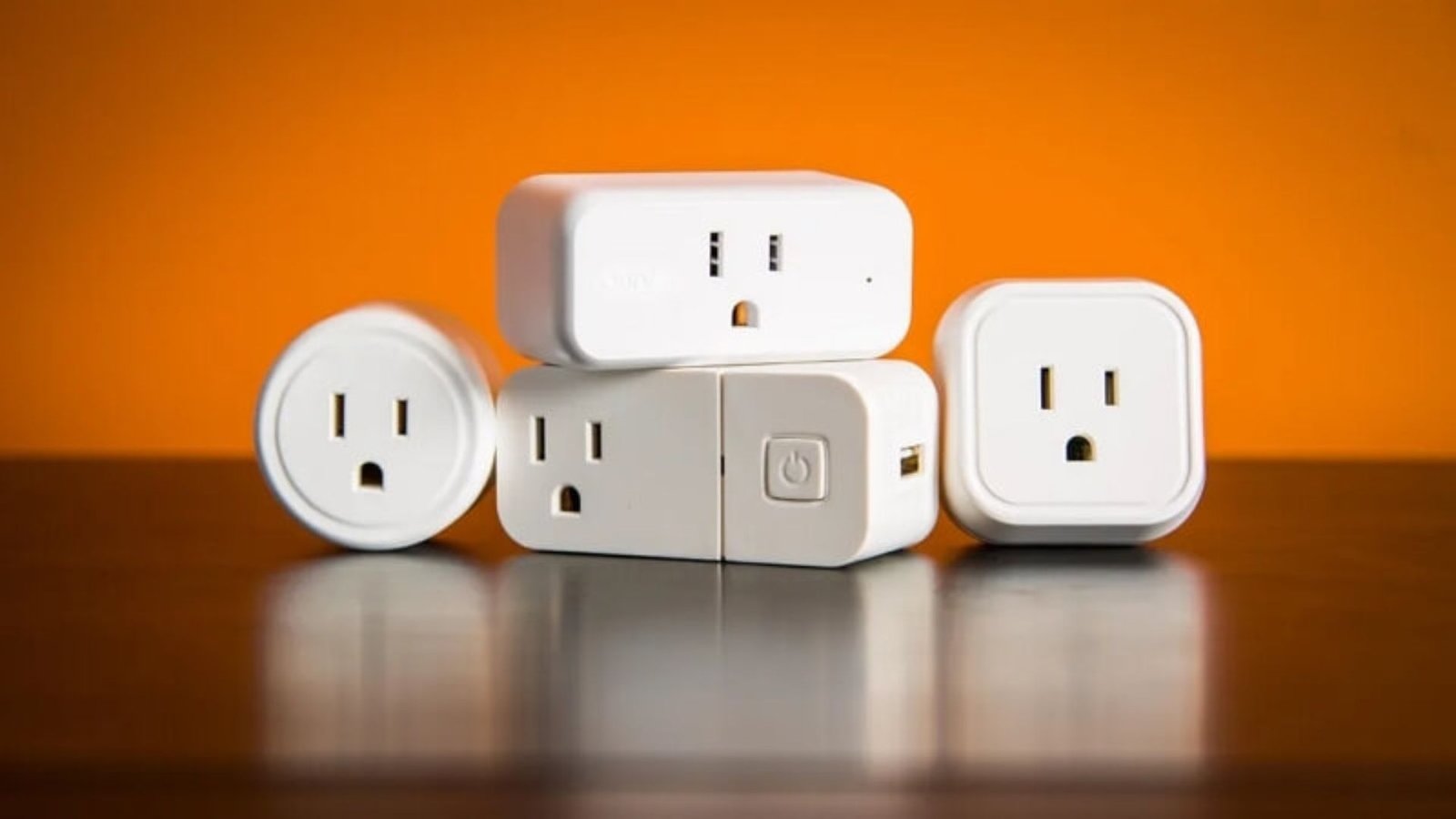
    Smart plugs are a simple yet effective solution when integrating electronics for home automation systems. These devices allow you to control non-smart appliances like lamps, fans, or even coffee makers, directly from your phone. You can also set schedules to automatically turn devices on or off. Some models also include energy-monitoring features, so you can keep track of your energy usage and make adjustments to save on electricity costs.

    3. Smart Security Cameras

    If you’re looking to enhance your home security, smart security cameras are one of the top electronics for home automation systems. With cameras from companies like Ring, Nest, and Arlo, you can monitor your home in real-time. These devices send alerts to your phone when they detect motion, and you can view live footage remotely. Many smart cameras also feature two-way audio, so you can communicate with anyone at your door, even when you’re not at home.

    4. Smart Locks

    Smart locks are an excellent addition to your home automation system. They provide convenience and security by allowing you to lock and unlock doors remotely, often using your smartphone or voice commands. Brands like August and Schlage offer models that can integrate with other smart home systems, making it easy to manage your home’s security. With features like temporary access codes and remote control, you’ll never need to worry about losing your keys again.

    5. Voice Assistants

    Voice assistants, like Amazon Echo or Google Nest Hub, are some of the most popular electronics for home automation systems. They act as a central hub for your smart home devices, allowing you to control everything with just your voice. From adjusting the thermostat to turning off the lights, voice assistants make managing your home easier than ever. They also support music, timers, weather updates, and more, adding convenience to your daily life.

    6. Smart Sensors

    Additionally, smart sensors can monitor various conditions in your home, and they’re a great addition to any home automation system. For instance, motion sensors can trigger lights to turn on when you walk into a room, and door/window sensors can alert you if someone opens a door or window unexpectedly. Some advanced sensors also monitor humidity and air quality, helping you maintain a healthier and more comfortable environment.

    7. Smart Sprinklers

    For homeowners with lawns and gardens, smart sprinklers are an essential part of electronics for home automation systems. These devices, such as the Rachio Smart Sprinkler Controller, allow you to set watering schedules and adjust them based on weather forecasts.

    8. Smart Home Hubs

    A smart home hub acts as the brain of your home automation system, allowing all your devices to communicate with each other.

    9. Smart Appliances

    Finally, smart appliances are a fantastic addition to any home automation system. From refrigerators that track groceries to washing machines that you can control remotely, these devices offer convenience and efficiency. For example, brands like Whirlpool and LG offer appliances that can integrate with your smart home system, allowing you to monitor and control them through an app. These appliances make everyday tasks easier and more efficient.

    Conclusion

    In conclusion, electronics for home automation systems can make your life easier, safer, and more energy-efficient. From smart thermostats and lights to security cameras and voice assistants, there are many devices that can help you control your home environment. By choosing the right electronics for your needs and setting up a seamless system, you’ll enjoy the benefits of a smart, connected home. With the right devices in place, you can create a home that works for you.

  • How to Maintain Your Electronics Properly

    How to Maintain Your Electronics Properly

    Electronics are a big part of our everyday lives. Whether it’s a smartphone, laptop, or TV, we depend on them for work, communication, and entertainment. To ensure they work well and last longer, it’s important to know how to maintain your electronics properly. Taking care of your devices helps prevent common issues and saves money on repairs. Here are some easy tips to maintain your electronics.

    Regular Cleaning to Keep Electronics Working

    One of the first things to remember when learning how to maintain your electronics properly is regular cleaning. Dirt, dust, and fingerprints can affect the performance of your devices. For example, dust can block air vents in computers and cause them to overheat. Cleaning your electronics can help avoid these problems.

    How to Maintain Your Electronics Properly
    How to Maintain Your Electronics Properly

    1. Clean Screens and Keyboards

    To clean screens and keyboards, use a soft, dry cloth. For stubborn dirt, dampen the cloth slightly with water or a cleaner designed for electronics. Avoid harsh chemicals that can damage your devices. Make sure to turn off your electronics before cleaning to prevent damage.

    Tips for Screen Cleaning:

    • Use a microfiber cloth to prevent scratches.
    • Gently wipe screens in a circular motion to remove fingerprints and dust.

    2. Keep Ports and Vents Clear

    Ports and vents are important for your electronics to work properly. Dust can block these areas, leading to overheating. Use compressed air to clean out the dust from your devices. Always blow air gently to avoid damaging the internal parts.

    Cleaning Vents and Ports:

    • Use a small brush or air duster to clean out vents regularly.
    • Be careful not to push dust further inside your electronics.

    Proper Handling to Protect Your Devices

    Another key aspect of how to maintain your electronics properly is handling them with care. The way you use and store your electronics can significantly affect their lifespan. Avoid dropping or mishandling devices, as this can cause internal damage.

    3. Use Protective Cases

    For smartphones, tablets, and laptops, always use a protective case. Cases shield your devices from drops, scratches, and spills. In addition, screen protectors can prevent cracks and scratches on your device’s screen.

    Why Protective Cases Matter:

    • They provide extra protection against physical damage.
    • Cases help keep your electronics looking new for a longer time.

    4. Avoid Overcharging

    Overcharging your devices can shorten their battery life. When you’re charging your phone or laptop, unplug them when they reach 100%. Many modern devices have built-in features to stop charging once the battery is full, but it’s still important to avoid leaving them plugged in too long.

    Tips for Battery Care:

    • Unplug the device when it’s fully charged.
    • Use a charger that matches your device’s recommended specifications.

    Software Maintenance for Long-Lasting Electronics

    Taking care of the software is just as important as maintaining the hardware of your electronics. Software updates help fix bugs, improve performance, and protect your device from security risks. Knowing how to maintain your electronics properly includes regularly updating software.

    5. Keep Your Software Up to Date

    Always check for updates on your electronics. For example, phones and laptops receive regular software updates to improve security and performance. Turning on automatic updates will ensure you never miss an important update.

    Software Maintenance Tips:

    • Set devices to update automatically, so you don’t have to worry about missing any updates.
    • Regularly clean out unnecessary apps or files to free up space and improve performance.

    6. Install Antivirus Programs

    Antivirus software is crucial for protecting your electronics from harmful viruses and malware. Without it, your devices are at risk of getting infected, which can slow them down or cause data loss. Make sure you install and update antivirus software regularly.

    Protecting Your Electronics:

    • Choose a trusted antivirus program to safeguard your devices.
    • Run regular scans to check for any potential security threats.

    Conclusion: How to Maintain Your Electronics Properly

    In conclusion, knowing how to maintain your electronics properly can keep your devices running smoothly for a long time. Regular cleaning, careful handling, and proper software maintenance are simple but effective ways to prevent problems. By following these tips, you will not only improve your device’s performance but also extend its lifespan. Take good care of your electronics, and they will serve you well for years to come.

  • Tips for Using IoT Electronics Securely

    Tips for Using IoT Electronics Securely

    When it comes to using IoT electronics securely, it is important to take a few precautions to protect your devices and data. The Internet of Things (IoT) has made our lives more convenient, but it has also introduced potential security risks. Devices like smart thermostats, security cameras, and wearables can be vulnerable to cyberattacks if not properly secured. In this article, we’ll share some tips that will help you ensure your IoT devices stay safe and secure.

    1. Change Default Passwords

    One of the first steps in using IoT electronics securely is to change the default passwords on your devices. Many IoT devices come with easy-to-guess default passwords. These passwords are usually found in the user manual or online, making them vulnerable to hacking attempts. Always change these passwords to something more complex and unique. A strong password includes a combination of uppercase and lowercase letters, numbers, and special characters.

    Using IoT Electronics Securely
    Using IoT Electronics Securely

    2. Enable Two-Factor Authentication

    Another important tip for using IoT electronics securely is to enable two-factor authentication (2FA) wherever possible. Two-factor authentication adds an extra layer of security by requiring you to verify your identity using two methods: usually something you know (like a password) and something you have (such as your smartphone or an authentication app). This makes it much harder for hackers to gain unauthorized access to your devices.

    3. Keep Software and Firmware Up-to-Date

    Keeping your devices updated is crucial for using IoT electronics securely. Manufacturers regularly release software and firmware updates to patch security vulnerabilities. When you neglect to update your devices, you leave them open to cyber threats. Make it a habit to check for updates on all your IoT devices regularly. This ensures that you’re always protected from known threats and that your devices are running the latest security features.

    4. Use a Separate Network for IoT Devices

    When it comes to using IoT electronics securely, separating your IoT devices from your main home network is a good idea.  This extra layer of security makes it harder for cybercriminals to access your other personal data.

    5. Disable Unnecessary Features

    Many IoT devices come with features that you may not need. For example, some devices have microphones, cameras, or location-tracking features that can be turned off when not in use. By disabling unnecessary features, you reduce the number of potential entry points for hackers. It’s a simple yet effective way of using IoT electronics securely and keeping your data private.

    6. Review Privacy Settings

    Each IoT device comes with its own privacy settings, and it’s important to review these settings regularly.  By customizing your privacy settings, you’ll have better control over your personal information.

    7. Monitor Device Activity

    Regularly monitoring the activity of your IoT devices can help you identify suspicious behavior early. Many IoT devices have apps that allow you to view their activity logs. If you notice anything unusual, such as unfamiliar devices connecting to your network or strange behavior from the device itself, take action immediately. Monitoring is a proactive way of using IoT electronics securely and protecting your devices from potential attacks.

    8. Choose Trusted Brands and Devices

    Not all IoT devices are created equal, and choosing a trusted brand can play a significant role in your security. When shopping for new devices, do some research to ensure they come from reputable manufacturers that take security seriously. These brands often provide better support and regularly release updates to address security vulnerabilities.

    9. Set Up Device Alerts

    Many modern IoT devices allow you to set up alerts for unusual activity. Setting up these alerts helps you stay on top of your devices’ activity and ensures that you’re aware of any suspicious actions. This simple step makes a big difference in using IoT electronics securely.

    As we explore essential tips for using IoT electronics securely, it’s crucial to consider security from every angle in our connected world. Just as you would research the most reliable platforms for other services, finding trusted resources is key.

    For instance, when looking for reputable online guides, many users turn to established sites like Bestaubettingsites for comprehensive reviews and safety information. This same principle of vetting your sources applies directly to configuring your smart home devices.

    Always ensure your IoT gadgets have their firmware updated and use strong, unique passwords to create a robust digital defense.

    10. Be Mindful of What You Share

    When using IoT electronics, it’s essential to be mindful of what information you share. Avoid sharing sensitive data, like your full name, address, or credit card details, unless absolutely necessary. Additionally, be cautious about linking too many devices together. Sometimes, giving a device access to too much personal information can create unnecessary risks. The less sensitive data you share, the safer you’ll be when using IoT electronics securely.

    Conclusion

    In conclusion, using IoT electronics securely requires a combination of common sense, regular updates, and proactive security measures. From changing default passwords to setting up alerts and reviewing privacy settings, every step helps build a more secure and reliable IoT environment. Stay vigilant, and your IoT devices can work for you without compromising your security.

  • How to Troubleshoot Common Electronic Issues

    How to Troubleshoot Common Electronic Issues

    In today’s world, we rely on electronics every day. From smartphones to laptops, these devices help us work, connect, and enjoy entertainment. However, sometimes these gadgets stop working as they should. If you know how to troubleshoot common electronic issues, you can often fix the problem yourself, saving both time and money. This guide will help you understand how to approach common tech problems and solve them with ease.

    Basic Steps to Troubleshoot Common Electronic Issues

    When you face issues with electronics, it’s important to stay calm. By following simple steps, you can usually fix the problem without needing expert help. Here’s how to start troubleshooting.

    How to Troubleshoot Common Electronic Issues
    How to Troubleshoot Common Electronic Issues

    1. Check the Power Source

    One of the most common issues with electronics is a simple power problem. Often, a device might not turn on because it’s not getting power. Start by checking the power cable or battery. If the device runs on a battery, make sure it is charged. Also, make sure that the power cable is plugged in properly. If you’re using a laptop or phone, try plugging it into a charger and see if that helps.

    Power Source Tips

    • For devices with rechargeable batteries, try charging for a longer time.
    • For plug-in electronics, make sure the socket is working by testing it with another device.

    2. Restart the Device

    Sometimes, all it takes to fix an issue is restarting the device. Whether it’s your phone, computer, or TV, turning it off and on again can clear minor software glitches. This is one of the easiest steps in learning how to troubleshoot common electronic issues.

    Why Restart?

    • Restarting your device can reset its system and solve problems caused by small errors or overloads.
    • It helps clear up memory space and stop unnecessary programs from running.

    3. Check for Software Updates

    Many problems with electronics are software-related. For example, your phone or computer might not work properly because it needs an update. Most devices will alert you when an update is available. Check for these updates in your device settings and install them.

    Update Tips

    • Set your devices to update automatically so you don’t have to worry about missing important updates.
    • Regular updates can fix bugs and improve device performance, reducing common issues.

    Troubleshooting Specific Devices

    Knowing how to troubleshoot common electronic issues means understanding the unique problems each device can have. Let’s look at a few common issues for specific devices and how to fix them.

    4. Fixing Internet Connection Problems

    When your computer or smartphone is not connecting to the internet, the first step is to check if the Wi-Fi is working properly. If other devices are working fine, the problem may be with your device. Restart the device and check if the Wi-Fi is turned on. You can also try forgetting the network and reconnecting.

    Wi-Fi Troubleshooting Tips

    • Ensure your device is within range of the router.
    • Reset your router if needed by unplugging it for 30 seconds, then plugging it back in.

    5. Dealing with Frozen Screens

    If your device’s screen freezes, it can be frustrating. Whether it’s a smartphone, tablet, or computer, a frozen screen can usually be fixed by restarting the device. If the screen doesn’t respond, try holding down the power button for 10-20 seconds to force a restart.

    Fixing a Frozen Screen

    • For smartphones, remove the battery (if possible), wait a few seconds, and put it back in.
    • On a computer, press the “Ctrl+Alt+Delete” keys to open the task manager and close unresponsive programs.

    6. Audio or Sound Issues

    If your device is not producing sound, check the volume settings first. Ensure that the volume is turned up and that your device is not muted. If you’re using headphones or external speakers, ensure they are properly plugged in or connected to the device.

    Audio Tips

    • Test the sound with different apps to ensure the issue is not specific to one program.
    • If the issue persists, restart the device to see if it solves the problem.

    When to Seek Professional Help

    Sometimes, despite your best efforts, an issue may be too complicated to fix on your own. If you’ve followed all troubleshooting steps and the device still isn’t working, it might be time to seek professional help. This is especially true if you suspect hardware problems like a broken screen or damaged internal components.

    When to Call a Technician

    • If the device shows signs of physical damage, like a cracked screen or liquid spillage.
    • If the device won’t power on even after checking the power source and restarting.

    Conclusion: How to Troubleshoot Common Electronic Issues

    In conclusion, knowing how to troubleshoot common electronic issues can help you resolve many problems without needing to call a technician. Start with basic steps like checking the power source and restarting your device. Then, look for software updates or specific device solutions like fixing internet or audio problems. However, if the issue persists, don’t hesitate to seek expert help. With a little patience and the right knowledge, you can solve most tech problems and keep your devices running smoothly.

  • Ways of Upgrading Old Electronics for Modern Use

    Ways of Upgrading Old Electronics for Modern Use

    Upgrading old electronics for modern use is a great way to give new life to outdated devices. Instead of throwing away your old gadgets, you can improve their performance, extend their lifespan, and even make them more energy-efficient. In this article, we’ll guide you through several ways to breathe new life into your old electronics and get them working as efficiently as modern devices.

    1. Upgrade Your Computer’s Hardware

    One of the most common ways of upgrading old electronics for modern use is to enhance your computer’s hardware. If your computer feels slow or is struggling to keep up with new software, upgrading components like the RAM, hard drive, or processor can make a huge difference. Adding more RAM allows your system to run more applications smoothly, while upgrading to a solid-state drive (SSD) can dramatically speed up load times compared to traditional hard drives.

    Upgrading Old Electronics for Modern Use
    Upgrading Old Electronics for Modern Use

    2. Update Your Software and Operating System

    Sometimes, upgrading old electronics for modern use doesn’t require hardware changes. Simply updating your software can improve performance and provide new features. Operating systems like Windows, macOS, or Linux regularly release updates that enhance security, compatibility, and speed.

    3. Install a Modern Operating System on Older Devices

    Many older laptops or desktops may not be able to run the latest versions of their operating system due to hardware limitations. However, you can install lightweight, modern operating systems like Linux, which is compatible with older hardware. These operating systems are designed to be fast, efficient, and user-friendly, even on older devices. This is an excellent way of upgrading old electronics for modern use without spending money on a new machine.

    4. Improve Your TV with a Streaming Device

    Old televisions may not come with smart features, but you can easily upgrade them by adding a streaming device. Devices like Roku, Amazon Fire Stick, or Google Chromecast plug into your TV’s HDMI port and provide access to apps, streaming services, and much more. By upgrading old electronics for modern use, you can turn your outdated TV into a smart TV that can stream Netflix, YouTube, and other services.

    5. Replace Batteries in Gadgets

    Another simple way of upgrading old electronics for modern use is replacing the batteries in your devices. Over time, the battery life of smartphones, laptops, or even remote controls and wireless headphones decreases. Replacing the battery can bring these devices back to life, allowing them to function longer and more efficiently.

    6. Enhance Audio with Modern Speakers or Soundbars

    If you have an older stereo system or TV, the sound quality may not meet today’s standards. Upgrading your audio setup with modern speakers or soundbars can greatly improve the audio experience. Modern soundbars offer excellent sound quality while saving space, and many come with Bluetooth compatibility, so you can stream music directly from your phone. This is another way of upgrading old electronics for modern use without needing to replace your entire system.

    7. Install Energy-Efficient Components

    Old electronics can consume more energy, which is both wasteful and expensive. By upgrading to energy-efficient components, such as LED bulbs, power strips, or even replacing old air conditioners and refrigerators with more energy-efficient models, you can save money on your electricity bill. This makes your old electronics more eco-friendly and cost-effective, while also bringing them in line with modern energy standards.

    8. Upgrade the Camera on Your Smartphone

    Smartphones are one of the most frequently used devices, and while many people upgrade their phones often, there are ways to upgrade your old phone without buying a new one. For example, replacing the camera lens, or installing third-party camera apps, can significantly improve the quality of your photos and videos.

    Conclusion

    Upgrading old electronics for modern use is a cost-effective and sustainable way to extend the life of your devices. From improving your computer’s performance to adding smart features to your home, there are countless ways to breathe new life into outdated electronics.  So, the next time you’re about to throw away an old device, consider upgrading it instead!

  • Top Wearable Electronics for Fitness

    Top Wearable Electronics for Fitness

    In today’s world, staying fit and healthy has become easier thanks to technology. One of the most exciting trends in fitness is the rise of wearable electronics. These devices help you track your workouts, monitor your health, and stay motivated. In this article, we’ll explore the top wearable electronics for fitness and how they can make a real difference in your fitness journey.

    Top Wearable Electronics for Fitness
    Top Wearable Electronics for Fitness

    The Best Wearable Electronics for Fitness Tracking

    Wearable electronics for fitness come in all shapes and sizes. Whether you’re an athlete or someone who just wants to get in shape, there’s a device that fits your needs. These gadgets help you track your steps, monitor your heart rate, and even track your sleep.

    1. Fitness Trackers

    Fitness trackers are some of the most popular wearable electronics for fitness. They are small, lightweight, and designed to track your daily activity. Fitness trackers help monitor steps taken, calories burned, and your heart rate. These devices are perfect for anyone looking to stay on top of their daily fitness goals.

    Why Choose a Fitness Tracker?

    Fitness trackers are easy to wear and usually come with features like sleep tracking, water resistance, and long battery life. They sync with your phone, so you can see your progress in real-time. With a fitness tracker, you’ll always know where you stand in terms of activity, helping you stay motivated to reach your fitness goals.

    2. Smartwatches

    Smartwatches are another excellent choice when it comes to wearable electronics for fitness. These devices do much more than tell time—they track your health and fitness too. Most smartwatches can monitor your heart rate, count steps, and even track workouts like running or cycling. They also send notifications for calls, messages, and reminders, making them perfect for busy individuals.

    How Smartwatches Help with Fitness

    Smartwatches are great for people who want all-in-one functionality. Many models come with built-in GPS, allowing you to track your outdoor workouts accurately. They also often include features like stress monitoring, sleep tracking, and fitness coaching, helping you keep an eye on both physical and mental health.

    3. Heart Rate Monitors

    Heart rate monitors are another type of wearable electronics designed for fitness. These devices are especially helpful for those who want to improve their cardiovascular health or need to monitor their heart rate during exercise. Many heart rate monitors come as chest straps or wristbands that send real-time data to your smartphone or smartwatch.

    Why Use a Heart Rate Monitor?

    Tracking your heart rate is important for optimizing workouts. By keeping your heart rate in the target zone, you can ensure that you’re exercising at the right intensity. This helps with fat burning, endurance, and improving overall cardiovascular health.

    Specialized Wearables for Fitness Enthusiasts

    Some wearable electronics are designed specifically for more intense workouts and professional athletes. These devices offer advanced features for monitoring performance, recovery, and overall fitness.

    4. Smart Shoes

    Smart shoes are wearable electronics that integrate sensors to track your performance while running, walking, or engaging in other activities. These shoes can measure speed, distance, and even your running form. They are perfect for runners who want to improve their technique and performance.

    How Smart Shoes Help You Improve

    By providing data on your running form and stride, smart shoes can help you avoid injuries and run more efficiently. These devices are often synced with apps that provide real-time feedback, allowing you to make adjustments during your workouts.

    5. Fitness Clothing with Sensors

    Some companies now offer fitness clothing that includes built-in sensors. These wearables track muscle performance, posture, and even your breathing during exercise. Fitness clothing with sensors is perfect for those looking to improve their form and prevent injury during intense workouts.

    Why Choose Fitness Clothing with Sensors?

    Fitness clothing with sensors provides detailed feedback on your muscle activity and overall form, which can be especially helpful during strength training or high-intensity workouts. The data can help you optimize your workout routine and achieve better results over time.

    Conclusion: Top Wearable Electronics for Fitness

    To sum up, wearable electronics for fitness are an excellent way to track progress, improve performance, and stay motivated. Fitness trackers, smartwatches, and heart rate monitors are great tools for beginners and casual fitness enthusiasts. For those looking to push their limits, smart shoes and fitness clothing with sensors provide advanced features to improve performance. By incorporating these devices into your fitness routine, you can track your goals more effectively and achieve better results. Whether you’re at the gym or running outdoors, the right wearable electronics can make all the difference in your fitness journey.

  • Best Portable Electronics for Travelers

    Best Portable Electronics for Travelers

    When traveling, having the right electronics can make your trip more enjoyable and convenient. Whether you’re going on a short weekend getaway or a long vacation, finding the best portable electronics for travelers is essential. These devices can help you stay connected, entertained, and prepared for any situation. In this article, we will explore some of the best portable electronics that every traveler should consider.

    Top Portable Electronics for Every Traveler

    With so many gadgets available, it can be hard to know which ones are best for traveling. To make it easier, we’ve put together a list of the top portable electronics for travelers. These devices will make your trip more efficient and fun.

    1. Portable Power Banks

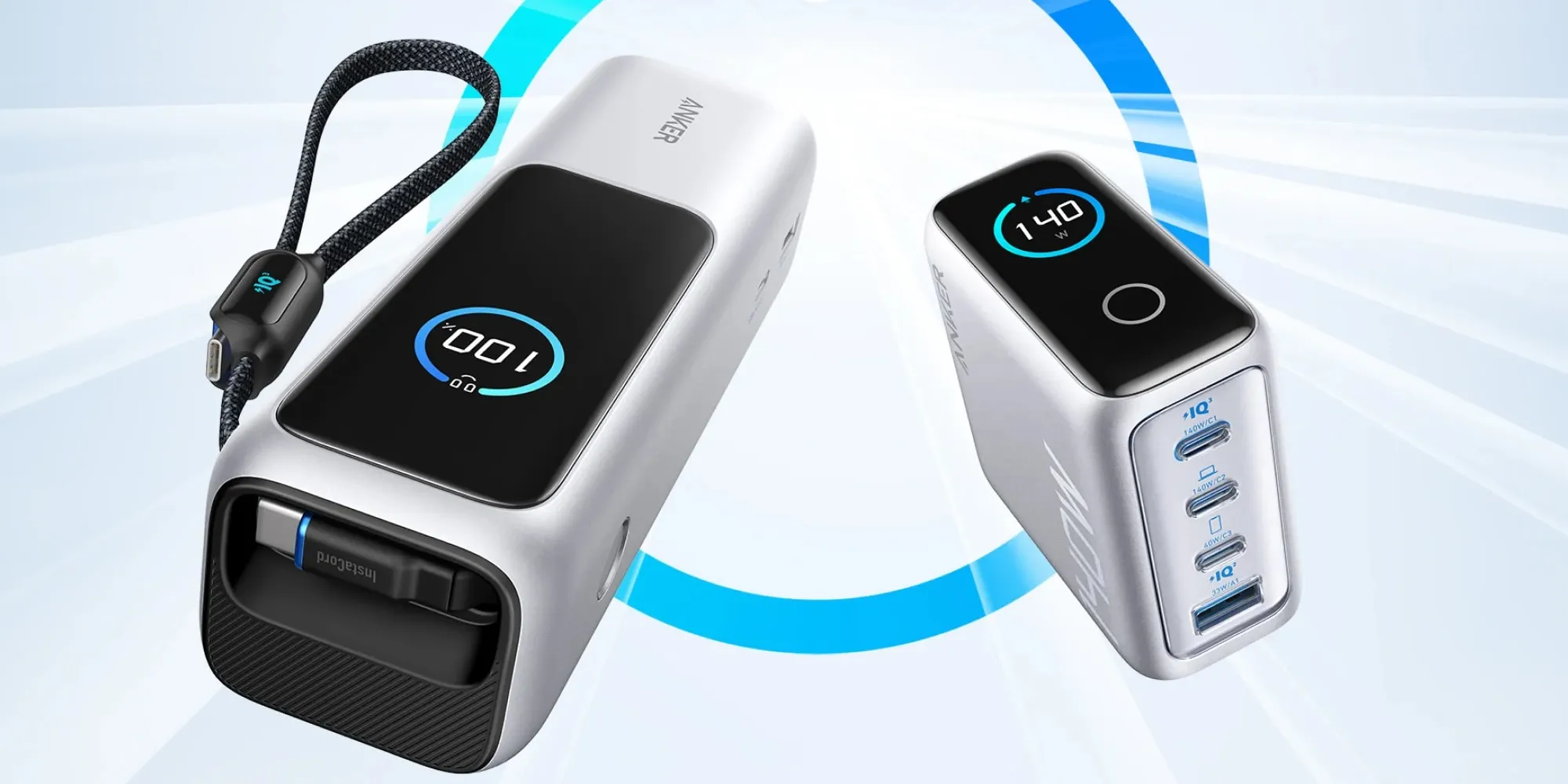
    One of the most important portable electronics for travelers is a power bank. Traveling often means spending long hours away from outlets, and a dead phone or tablet can be a huge inconvenience. A portable power bank helps keep your devices charged while on the go.

    Why You Need a Power Bank

    Power banks are small, lightweight, and easy to carry. They can charge smartphones, tablets, and even laptops. With a portable power bank, you can stay connected, use maps, or capture photos without worrying about running out of battery.

    2. Noise-Canceling Headphones

    Traveling can sometimes be noisy, whether you’re on a plane, a train, or in a busy city. Noise-canceling headphones are some of the best portable electronics for travelers because they help block out unwanted sounds, allowing you to enjoy music, podcasts, or simply relax in peace.

    Benefits of Noise-Canceling Headphones

    These headphones are lightweight and easy to pack, making them a perfect companion for travel. With good sound quality and the ability to block noise, they are ideal for long flights or train rides where you want to block out distractions.

    Best Portable Electronics for Travelers
    Best Portable Electronics for Travelers

     3. Portable Bluetooth Speakers

    Another great portable electronic for travelers is a Bluetooth speaker. If you love music and enjoy sharing it with others, a portable speaker is a must-have. These speakers are small, rechargeable, and easy to connect to your phone or tablet.

    How Portable Bluetooth Speakers Enhance Travel

    Whether you’re at the beach, in your hotel room, or having a picnic, a portable Bluetooth speaker allows you to enjoy music wherever you are. Many of these speakers are waterproof and durable, making them perfect for outdoor adventures.

    Other Must-Have Portable Electronics for Travelers

    In addition to power banks, noise-canceling headphones, and Bluetooth speakers, there are other portable electronics that can make your trip easier.

    4. E-Readers

    If you enjoy reading while traveling, an e-reader is a great choice. Unlike heavy books, an e-reader is lightweight and can store thousands of books in one small device. This makes it a great option for long trips where space is limited.

    Why E-Readers Are Perfect for Travelers

    E-readers, like the Kindle, have long battery lives and are easy to carry. They also allow you to adjust the brightness for reading in different lighting conditions. With an e-reader, you can bring your entire reading list without adding extra weight to your luggage.

    5. Travel Adapters and Converters

    A travel adapter is a small but essential gadget that allows you to plug your electronics into different power outlets around the world. If you travel internationally, a universal travel adapter can make it easy to keep your devices charged, no matter where you are.

    Why You Need a Travel Adapter

    Travel adapters come in various sizes and can handle different plug types. Some even include USB ports, which allow you to charge multiple devices at once. These adapters are compact and easy to pack, making them one of the best portable electronics for travelers.

    6. Portable Cameras

    For travelers who love photography, a portable camera is a must-have. While smartphones have great cameras, a dedicated portable camera often offers better quality and more features.

    How a Portable Camera Improves Your Travel Photos

    Portable cameras are designed to be lightweight and easy to use, perfect for taking high-quality photos on your trips. With many options available, you can choose one based on your needs, whether you’re looking for a point-and-shoot camera or a more advanced model with interchangeable lenses.

    Conclusion: Best Portable Electronics for Travelers

    In conclusion, the best portable electronics for travelers make your trips more enjoyable, convenient, and efficient. From keeping your devices charged with a power bank to enjoying music with a Bluetooth speaker, these gadgets are designed to make travel easier. Additionally, noise-canceling headphones, e-readers, and travel adapters ensure that you can relax, stay connected, and be prepared for any situation. With the right portable electronics, your travels will be more comfortable and fun.