Category: Nano Technology

  • How NanoTechnology Improves Renewable Energy

    How NanoTechnology Improves Renewable Energy

    Renewable energy is crucial for a sustainable future. With the world facing climate change, improving renewable energy sources has become more important than ever. How nanotechnology improves renewable energy is an exciting development that is helping to increase efficiency, reduce costs, and make green energy more accessible. Nanotechnology is the science of working with materials at a very small scale, at the level of atoms and molecules. This ability to manipulate tiny materials has incredible potential to make renewable energy sources better.

    Enhancing Solar Power with Nanotech

    One of the most significant ways how nanotechnology improves renewable energy is through solar power. Solar energy is a clean and abundant source of power, but its efficiency has often been a challenge. Nanotechnology is now helping to overcome some of these challenges.

    More Efficient Solar Panels

    Nanotechnology has allowed scientists to create solar panels that are much more efficient than traditional ones. By using nanomaterials, such as nanowires or quantum dots, solar panels can capture more sunlight and convert it into electricity. These advancements make solar power a more reliable and cost-effective energy source.

    Flexible and Lightweight Solar Cells

    Another exciting development is the creation of flexible and lightweight solar cells. Nanotechnology allows for the production of thin, flexible solar cells that can be applied to a variety of surfaces. This means solar panels can be placed in more locations, such as on clothing, windows, or even vehicles. These innovations open up new possibilities for solar energy use in everyday life.

    How NanoTechnology Improves Renewable Energy
    How NanoTechnology Improves Renewable Energy

    Improving Wind Power with Nanotech

    Wind energy is another renewable energy source that benefits from how nanotechnology improves renewable energy. Wind turbines are a common way to harness wind power, but they have some challenges, such as wear and tear from constant movement. Nanotechnology helps to address these issues.

    Stronger and Lighter Materials for Wind Turbines

    Nanomaterials can make wind turbines stronger and lighter. Using nanotechnology, manufacturers can create turbine blades that are more durable and resistant to damage from the wind. These improvements help to extend the lifespan of wind turbines, making them more cost-effective over time. Furthermore, lighter materials reduce the amount of energy required to transport and install turbines, leading to lower costs.

    Self-Healing Materials

    Nanotechnology also enables the development of self-healing materials for wind turbines. These materials can repair themselves if damaged, reducing the need for frequent maintenance. By using nanomaterials, wind turbines can operate for longer periods without costly repairs, making wind power even more sustainable.

    Enhancing Energy Storage with Nanotechnology

    Another way how nanotechnology improves renewable energy is by enhancing energy storage. Storing energy efficiently is crucial for renewable energy sources like solar and wind, as they do not produce power all the time. For example, solar panels only generate energy during the day, and wind turbines depend on wind conditions.

    Better Batteries with Nanotechnology

    Nanotechnology is improving the performance of batteries, making it easier to store energy for later use. Nanomaterials help create more powerful batteries, have a longer lifespan, and charge faster. These advanced batteries are essential for storing energy produced by solar panels and wind turbines, making renewable energy more reliable.

    More Efficient Supercapacitors

    In addition to batteries, nanotechnology is also improving supercapacitors, which are used to store energy quickly. Supercapacitors made with nanomaterials can store and release energy more efficiently, making them useful for applications that need a quick energy boost. This technology helps to balance the supply and demand of renewable energy.

    Reducing Environmental Impact with Nanotechnology

    One of the main goals of renewable energy is to reduce environmental impact. How nanotechnology improves renewable energy also plays a role in this area. Nanotech allows for the development of more sustainable and eco-friendly energy solutions.

    Cleaner Energy Production

    Nanotechnology can reduce the environmental impact of energy production by making renewable energy systems more efficient. For example, nanomaterials used in solar panels, wind turbines, and energy storage systems require fewer raw materials to produce. This results in less waste and a smaller carbon footprint for renewable energy sources.

    Enhancing Efficiency of Energy Conversion

    By using nanotechnology, we can improve the conversion of energy from one form to another. For example, nanomaterials can be used to convert solar energy into electricity more efficiently, reducing the amount of energy lost in the process. This makes renewable energy systems more effective, meaning we can produce more energy with fewer resources.

    Conclusion

    In conclusion, how nanotechnology improves renewable energy is transforming the way we harness power from natural resources. By making solar panels more efficient, wind turbines stronger, and energy storage systems better, nanotechnology is helping to make renewable energy more practical and reliable. As these innovations continue to evolve, we can expect renewable energy to play an even more significant role in our fight against climate change, ensuring a greener and more sustainable future.

  • What Are The Applications Of Nanotechnology In Electronics

    What Are The Applications Of Nanotechnology In Electronics

    Nanotechnology is changing electronics in remarkable ways. It helps build faster, smaller, and more efficient devices. Manufacturers use it to enhance performance, improve energy use, and create cutting-edge innovations. Let’s the applications of nanotechnology in electronics.

    What Are The Applications Of Nanotechnology In Electronics
    What Are The Applications Of Nanotechnology In Electronics

    Miniaturizing Electronic Devices

    Nanotechnology makes electronic devices smaller and smarter. It helps manufacturers reduce the size of transistors on microchips. Smaller transistors mean faster processing speeds and more power in tiny devices like smartphones and laptops.

    This advancement also supports wearable technology. Fitness trackers and smartwatches benefit from nano-enhanced materials. They remain lightweight while packing advanced features into compact designs.

    Boosting Device Performance and Speed

    Nanotechnology enhances device performance by improving materials. Nanomaterials like graphene and carbon nanotubes conduct electricity better than traditional materials.

    These materials are now used in transistors, capacitors, and processors. This upgrade increases processing speed while saving energy. Devices run smoother, last longer, and handle complex tasks more efficiently.

    Improving Energy Efficiency in Electronics

    Nanotechnology reduces energy use in modern devices. OLED displays, created using nanotechnology, consume less power than traditional LCDs. They also produce better images with sharper colors.

    In batteries, nanomaterials like graphene enhance energy storage. They make batteries charge faster, last longer, and weigh less. This improvement benefits smartphones, laptops, and electric vehicles.

    Advancing Sensors and Detection Systems

    Sensors powered by nanotechnology are smaller and more precise. They detect tiny changes in their environment, which is helpful in many industries.

    For instance, nanosensors in smartphones enable motion tracking and fingerprint recognition. In healthcare, they improve diagnostics, making early disease detection more reliable.

    Enabling Flexible Electronics

    Flexible electronics rely heavily on nanotechnology. Nanomaterials create bendable, stretchable circuits that work without breaking.

    Wearable devices use this technology to provide comfort and durability. From smart clothing to medical devices, flexibility opens doors to innovation.

    Supporting Quantum Computing

    Nanotechnology is vital for building quantum computers. It develops qubits, which perform calculations much faster than regular computers.

    Materials like nanowires and quantum dots allow precise control of electrons. These advancements bring quantum computing closer to real-world applications.

    Enhancing Communication Systems

    Nanotechnology improves communication networks. It powers faster data transfer and stronger signals.

    For example, nanomaterials enhance antennas in mobile phones. These antennas are smaller, but they improve reception and reduce interference. Optical fibers made with nanotechnology also speed up internet connectivity.

    Conclusion

    Nanotechnology is revolutionizing the electronics industry. It shrinks devices, boosts energy efficiency, and enhances performance. From flexible electronics to quantum computing, the potential applications are endless. As demand grows, nanotechnology will continue to push the boundaries of innovation.

  • Top Innovations in NanoTechnology

    Top Innovations in NanoTechnology

    Nanotechnology is one of the most exciting fields in science today. It involves manipulating matter at an incredibly small scale—usually at the atomic or molecular level. The top innovations in nanotechnology are changing industries and daily life. From medicine to electronics, nanotechnology is pushing the boundaries of what we thought was possible.

    Revolutionizing Medicine with Nanotech

    One of the most promising top innovations in nanotechnology is its application in medicine. With nanotech, scientists are developing better treatments and diagnostic tools. The ability to manipulate materials at the nanoscale allows for more targeted and efficient medical solutions.

    Top Innovations in NanoTechnology
    Top Innovations in NanoTechnology

    Targeted Drug Delivery Systems

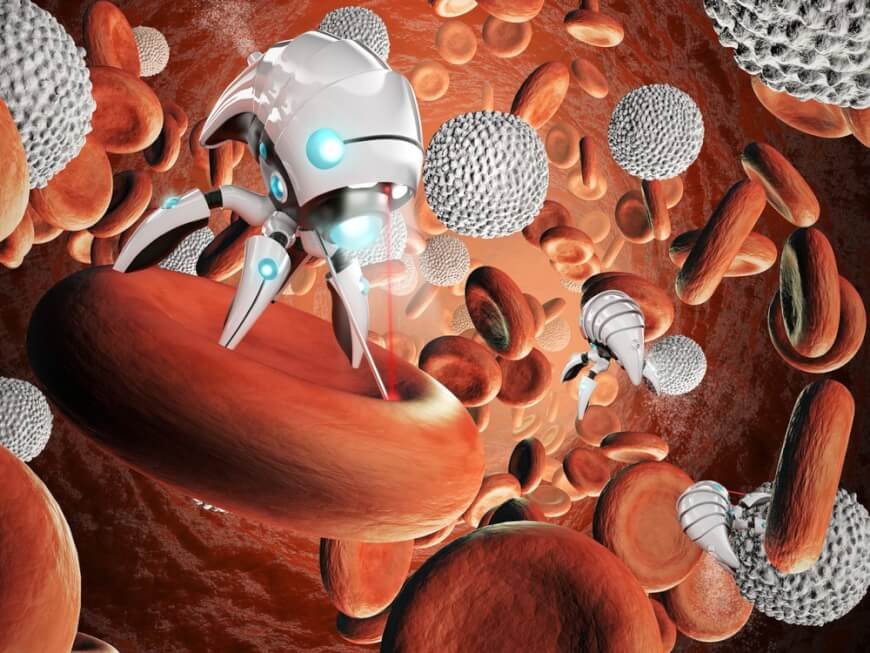
    Nanotechnology is making drug delivery more precise. Traditional drugs can affect the entire body, often leading to side effects. However, with nanoparticles, doctors can deliver medicine directly to the problem area, such as a tumour. This innovation makes treatments more effective and reduces harm to healthy cells.

    Nano-Based Diagnostic Tools

    Another breakthrough in medicine is the development of nano-based diagnostic tools. These tools are extremely sensitive and can detect diseases earlier than ever before. For example, nanoparticles can identify cancer cells in the blood, which can lead to earlier and more successful treatments.

    Enhancing Electronics and Computers

    The top innovations in nanotechnology also extend to the world of electronics. As electronic devices continue to shrink, nanotechnology plays a critical role in improving their performance. The advancements in this area make devices faster, more efficient, and more powerful.

    Smaller and Faster Microchips

    One significant advancement in electronics is the creation of nano-sized microchips. These tiny chips allow electronic devices to process data faster while using less energy. As a result, computers, smartphones, and other devices are becoming more powerful and energy-efficient.

    Flexible and Wearable Electronics

    Nanotechnology is also enabling the development of flexible and wearable electronics. Researchers are working on creating flexible displays, sensors, and even wearable medical devices. This could lead to new, innovative products like smart clothing or skin patches that monitor health in real time.

    Protecting the Environment with Nanotech

    The top innovations in nanotechnology are also helping protect the environment. By using nano materials, researchers are creating solutions for some of the planet’s most pressing problems, such as pollution and energy waste.

    Water Purification with Nanotechnology

    One important application of nanotech is in water purification. Scientists are developing nano filters that can remove harmful toxins and bacteria from water. These filters are more efficient and cost-effective than traditional methods, making clean water more accessible to people worldwide.

    Nanotech for Renewable Energy

    Nanotechnology is also being used to improve renewable energy sources. For example, solar panels made with nanomaterials are more efficient and cheaper to produce. This could significantly reduce the cost of solar energy, making it more accessible to everyone.

    Improving Materials with Nanotech

    In addition to medical and environmental innovations, nanotechnology is transforming materials science. By manipulating materials at the nano level, scientists are creating stronger, lighter, and more durable products.

    Stronger and Lighter Materials

    One of the most exciting top innovations in nanotechnology is the creation of stronger and lighter materials. Carbon nanotubes, for example, are incredibly strong yet lightweight. They are being used in a variety of industries, including aerospace and construction, to make products that are both durable and easy to handle.

    Self-Healing Materials

    Nanotechnology is also leading to the development of self-healing materials. These materials can repair themselves if damaged, making them incredibly useful for industries that require long-lasting products. This innovation is already being used in some coatings, paints, and fabrics.

    Conclusion

    In conclusion, the top innovations in nanotechnology are revolutionizing many industries. From medicine to electronics, nanotech is helping create better treatments, faster devices, and more sustainable solutions. The progress made in this field promises to improve our lives in many ways, making it an exciting area to watch in the coming years. With continued research and development, the potential of nanotechnology is virtually limitless, and it will continue to shape our future in amazing ways.

  • How Is Nanotechnology Changing The Future Of Medicine

    How Is Nanotechnology Changing The Future Of Medicine

    Nanotechnology is revolutionizing medicine by making treatments more effective, precise, and personalized. But how is nanotechnology changing the future of medicine? By working at the nanoscale, scientists can manipulate materials at the molecular level, leading to groundbreaking innovations in healthcare. These advancements promise to improve everything from disease diagnosis to treatment options, making medicine more efficient and less invasive.

    How Is Nano Technology Changing The Future Of Medicine
    How Is Nano Technology Changing The Future Of Medicine

    Nano Technology and Targeted Drug Delivery

    One of the most exciting applications of nanotechnology in medicine is targeted drug delivery. With nanotechnology, scientists can create tiny particles that carry drugs directly to specific cells or tissues. This approach significantly reduces the risk of side effects, as the drug is only delivered to the targeted area. For example, nanotechnology is being used in cancer treatment to deliver chemotherapy drugs directly to cancer cells, minimizing damage to healthy cells. As a result, nanotechnology is making treatments more effective and safer for patients.

    Nano Technology and Early Disease Detection

    In addition to improving treatments, nanotechnology is also enhancing the ability to detect diseases at an early stage. Traditional diagnostic methods often require larger samples or more invasive procedures. However, nanotechnology allows for the detection of biomarkers in the blood or tissues at a much earlier stage. With these advances, diseases like cancer, diabetes, and heart disease can be detected before symptoms even appear, increasing the chances of successful treatment.

    Nano Technology and Personalized Medicine

    Another way nanotechnology is transforming medicine is through personalized treatments. Nanotechnology allows doctors to customize treatments based on a patient’s genetic makeup. By understanding how a patient’s body will respond to specific drugs, doctors can design more effective treatment plans. This personalized approach leads to fewer side effects and better outcomes for patients. As nanotechnology continues to advance, personalized medicine will become a standard in healthcare, tailoring treatments to each patient’s needs.

    Nano Technology and Regenerative Medicine

    Nanotechnology also plays a crucial role in regenerative medicine, which focuses on repairing or replacing damaged tissues and organs. Scientists are using nanotechnology to create scaffolds that support the growth of new cells and tissues. For example, nanotechnology is being used to develop artificial skin, bone, and cartilage, which could help patients with severe injuries or burns. This innovation has the potential to completely change how doctors treat patients with damaged tissues, offering new solutions for healing and recovery.

    Nano Technology in Medical Imaging

    Medical imaging has come a long way, and nanotechnology is helping to make it even better. With the help of nanotechnology, imaging techniques can now detect smaller abnormalities in the body that were once impossible to see. For instance, nanoparticles can be used to improve the contrast in imaging scans like MRIs and CT scans, making it easier for doctors to identify and diagnose diseases early. This enhanced imaging is crucial in detecting diseases like cancer at their most treatable stages, leading to better outcomes for patients.

    Nano Technology and Smart Implants

    Nanotechnology is also advancing the development of smart implants that can monitor a patient’s health in real time. These implants can track vital signs, detect infections, and even release medication when needed. For example, nanotechnology is used in pacemakers and other medical devices to ensure they are more efficient and less intrusive. As nanotechnology evolves, these smart implants will become more sophisticated, offering new ways to monitor and treat various health conditions.

    The Future of Nano Technology in Medicine

    The future of nanotechnology in medicine is incredibly promising. With continued research and development, nanotechnology has the potential to eliminate some of the most significant challenges in healthcare, such as the high cost of treatments, long recovery times, and side effects. In the coming years, we can expect to see even more breakthroughs in these areas.

    Conclusion

    In conclusion, nanotechnology is changing the future of medicine in profound ways. From targeted drug delivery and early disease detection to personalized treatments and regenerative medicine, the possibilities are endless. As nanotechnology continues to evolve, it will lead to more effective, less invasive treatments that improve patient outcomes.

  • Top Benefits of NanoTechnology in Healthcare

    Top Benefits of NanoTechnology in Healthcare

    Nanotechnology is making a huge impact on healthcare today. It is bringing many benefits to medicine, from drug delivery to disease detection. In this article, we will explore the top benefits of nanotechnology in healthcare and how it is changing the way we treat illnesses.

    Revolutionizing Drug Delivery

    One of the main benefits of nanotechnology is its ability to improve drug delivery. Traditional drugs often affect the entire body, causing unwanted side effects. However, with nanotechnology, drugs can be delivered directly to the targeted area. This method minimizes side effects and makes treatments more effective.

    Targeted Treatment for Better Results

    Nanoparticles can be designed to carry drugs directly to the cells that need them the most. For example, in cancer treatment, nanoparticles can deliver chemotherapy drugs directly to cancer cells. This way, healthy cells are left unharmed, reducing the harm caused by chemotherapy.

    Smarter Drug Release

    Nanotechnology also allows for smarter drug release. With nano-delivery systems, drugs can be released at a controlled pace, ensuring they work more efficiently. This helps doctors provide the right amount of medication over a longer period, leading to better patient outcomes.

    Top Benefits of Nano Technology in Healthcare
    Top Benefits of Nano Technology in Healthcare

    Improving Disease Diagnosis

    Another significant benefit of nano technology is its ability to improve disease diagnosis. Early detection of diseases is crucial for better treatment. Nano technology has led to the development of advanced diagnostic tools that can detect diseases at an early stage.

    Faster Detection with Nanotech Sensors

    Nanotechnology has led to the creation of super-sensitive sensors. These sensors can detect tiny amounts of disease markers in the blood, making it easier to find illnesses like cancer or heart disease before symptoms even appear. Early detection improves the chances of successful treatment and recovery.

    Non-Invasive Diagnostic Methods

    In addition, nano technology is helping to make diagnostic methods less invasive. Instead of needing to perform painful tests like biopsies, doctors can use nanotech-based tools to analyze blood or saliva samples. This makes diagnosis quicker, easier, and more comfortable for patients.

    Advancing Medical Treatments

    The benefits of nano technology extend to improving medical treatments. From advanced surgeries to tissue repair, nano technology is opening up new possibilities in healthcare.

    Minimally Invasive Surgery

    Nano technology is making surgeries less invasive. Smaller, more precise tools are being created, which can reduce the size of incisions needed for surgery. As a result, recovery times are shorter, and patients experience less pain after the procedure.

    Regenerating Tissues

    Another exciting benefit of nano technology is its potential in tissue regeneration. Nano materials can help regenerate damaged tissues, such as skin or bones. This could change the way we treat injuries, burns, and even conditions like arthritis.

    Combating Infections

    Nanotechnology is also being used to fight infections, which is another key benefit of nano technology in healthcare. With the rise of antibiotic-resistant bacteria, scientists are turning to nanotech to develop new ways to fight infections.

    Antibacterial Properties of Nanomaterials

    Some nanomaterials, such as silver nanoparticles, have strong antibacterial properties. These materials can be used in wound care products, medical devices, and even clothing. By preventing infections, nanotechnology is helping reduce the spread of harmful bacteria, especially in hospitals and other healthcare settings.

    Fighting Viruses with Nanotech

    In addition to bacteria, nano technology is also being explored for its ability to fight viruses. Researchers are working on nanoparticles that can target and neutralize viruses like the flu, HIV, and even COVID-19. This could lead to new, more effective antiviral treatments.

    Affordable and Accessible Healthcare

    Finally, nano technology has the potential to make healthcare more affordable and accessible. Nano-based devices and treatments can often be made more cheaply than traditional ones. This could help reduce healthcare costs, making treatments available to more people, especially in low-income areas.

    Low-Cost Diagnostics

    Nanotech-based diagnostic tools are not only more accurate, but they can also be more affordable. By reducing the need for expensive equipment and hospital visits, nano technology can help make healthcare more accessible to people around the world.

    Conclusion

    In conclusion, the benefits of nano technology in healthcare are vast and far-reaching. From improving drug delivery to advancing diagnostic methods and fighting infections, nanotechnology is revolutionizing medicine. It is making treatments more effective, reducing side effects, and opening up new possibilities for the future of healthcare. As research continues, we can expect even more exciting developments in the world of nano technology, improving the quality of healthcare for people everywhere.

  • How Nano Technology Is Changing Medicine

    How Nano Technology Is Changing Medicine

    Nanotechnology is one of the most exciting and promising advancements in modern science. How nanotechnology is changing medicine is a question many experts are exploring. This technology is making huge strides in healthcare by providing innovative solutions to old problems. In this article, we will explore how nanotechnology is transforming medicine, improving treatments, and offering new possibilities for the future of healthcare.

    How Nano Technology Is Changing Medicine
    How Nano Technology Is Changing Medicine

    Revolutionizing Drug Delivery

    One of the biggest ways nanotechnology is changing medicine is through drug delivery. Traditionally, medicine has been delivered in ways that do not target specific areas of the body, often leading to side effects. However, with nanotechnology, drugs can be delivered more precisely and effectively.

    Targeted Drug Delivery

    Nanoparticles can be designed to deliver medicine directly to diseased cells. For example, in cancer treatment, nanoparticles can be used to deliver chemotherapy drugs directly to cancer cells. This reduces the impact on healthy cells, minimizing side effects. With this new approach, patients receive more effective treatment with fewer negative effects.

    Smarter Treatments

    Nanotechnology also allows for the creation of smart drug delivery systems. These systems can release the drug at a specific time or in response to a particular trigger in the body. This technology is helping doctors control the timing and dosage of medication more effectively, leading to better treatment outcomes.

    Enhancing Diagnostics

    Another area where nanotechnology is changing medicine is in diagnostics. Early diagnosis is critical for successful treatment, and nanotechnology is improving the way diseases are detected.

    Faster Disease Detection

    Nanotechnology allows for the creation of ultra-sensitive diagnostic tools. These tools can detect diseases at a very early stage, often before symptoms appear. For instance, nanosensors can identify specific biomarkers in the blood, which may indicate the presence of diseases such as cancer or heart disease. Early detection allows for earlier intervention and better chances of recovery.

    Non-invasive Testing

    Nanotechnology is also making diagnostic tests less invasive. Traditional methods often require blood draws or biopsies, but with nanotech, it is possible to detect diseases using less invasive methods. For example, nanotechnology is being used to create blood tests that can identify diseases with just a small sample, making diagnostics quicker and more comfortable for patients.

    Improving Medical Treatments

    How nanotechnology is changing medicine also includes its role in improving medical treatments. From surgery to tissue repair, nanotech is opening up new possibilities for healthcare.

    Better Surgical Tools

    Nanotechnology is helping develop smaller, more precise surgical tools. These tools can be used for minimally invasive surgery, reducing the need for large incisions and speeding up recovery time. In addition, nanotech can improve the precision of surgeries, leading to better outcomes and fewer complications.

    Tissue Repair and Regeneration

    Another exciting application of nanotechnology is in tissue repair and regeneration. Nanomaterials can be used to promote the growth of new tissues, such as skin, bone, or cartilage. This has huge potential for treating injuries, burns, and conditions that involve tissue damage. With nanotech, doctors may one day be able to repair tissues that are otherwise beyond repair.

    Fighting Infections

    Nanotechnology is also making an impact on the treatment and prevention of infections. The rise of antibiotic-resistant bacteria is a significant concern for public health, and nanotech is offering new solutions.

    Antibacterial Nanomaterials

    Nanomaterials, such as silver nanoparticles, have been shown to have strong antibacterial properties. These materials can be used in wound dressings, medical devices, and even clothing to prevent infections. Nanotech can also be used to create more effective disinfectants, helping reduce the spread of harmful bacteria in hospitals and other healthcare settings.

    Fighting Viruses

    Nanotechnology is also being used to fight viruses. Researchers are developing nanoparticles that can target and neutralize viruses, offering a potential alternative to traditional antiviral drugs. This could be a game-changer in treating diseases such as the flu, HIV, and even emerging viruses like COVID-19.

    Conclusion

    In conclusion, how nanotechnology is changing medicine is becoming more evident every day. From targeted drug delivery to advanced diagnostics, nanotech is revolutionizing the healthcare industry. It is making treatments more effective, improving patient outcomes, and providing new ways to diagnose and treat diseases. As research continues to advance, we can expect even more groundbreaking innovations in medicine thanks to nanotechnology. The future of healthcare looks brighter, thanks to this powerful technology.

  • Best Applications of Nano Technology Today

    Best Applications of Nano Technology Today

    Nanotechnology is a rapidly advancing field that involves working with tiny particles, typically at the scale of atoms and molecules. The best applications of nanotechnology today are revolutionizing industries, improving lives, and making tasks more efficient. From medicine to energy, this technology is changing the world. In this article, we will look at some of the most significant and exciting applications of nanotechnology.

    Nanotechnology in Medicine

    One of the best applications of nanotechnology is in the field of medicine. Nanotech allows for precise, targeted treatments that were once impossible.

    Drug Delivery Systems

    Nanotechnology is used to create drug-delivery systems that target specific areas in the body. For example, nanoparticles can deliver drugs directly to cancer cells, improving the effectiveness of treatments and reducing side effects. This breakthrough in drug delivery is making a huge difference in how diseases are treated today.

    Diagnostic Tools

    Nanotechnology also plays a key role in medical diagnostics. Scientists are developing nano-sized sensors that can detect diseases much earlier than traditional methods. These sensors can help doctors diagnose conditions like cancer and heart disease before they become more serious. Early detection saves lives, and nanotech is making that possible.

    Best Applications of Nano Technology Today
    Best Applications of Nano Technology Today

    Nanotechnology in Energy

    Another area where we see the best applications of nanotechnology is in energy. Nanotech is helping to improve energy production, storage, and efficiency.

    Solar Energy

    Nanotechnology is being used to enhance solar cells, making them more efficient. Nanomaterials can help capture more sunlight, which means solar panels can produce more energy. As a result, the cost of solar energy is coming down, making it a more viable option for people around the world.

    Energy Storage

    Nanotechnology is also improving energy storage systems, such as batteries. By using nanomaterials, batteries can store more energy and charge faster. This is especially useful in electric vehicles, where long battery life is essential. In the future, we may see even more advanced and efficient energy storage solutions thanks to nanotechnology.

    Nanotechnology in Electronics

    The best applications of nanotechnology in electronics are making devices smaller, faster, and more efficient.

    Smaller, More Powerful Devices

    Nanotechnology allows for the creation of smaller, more powerful electronic components. For example, the processors inside smartphones and computers are becoming more powerful and energy-efficient thanks to nanotech. These tiny components allow for faster processing speeds and better performance in devices.

    Flexible Electronics

    Nanotechnology is also helping create flexible electronics. This technology enables devices that are lightweight and bendable, which can be used in wearable electronics and other applications. As the demand for flexible technology grows, nanotech will continue to play a key role in making these devices possible.

    Nanotechnology in Environmental Protection

    Nanotechnology is playing an important role in protecting the environment. With the help of nanotech, we can address some of the world’s biggest environmental challenges.

    Water Purification

    Nanotechnology is used to develop advanced water filtration systems that can remove contaminants and toxins from water more effectively. These systems can help provide clean water in areas where access to safe drinking water is limited. With nanotech, we can clean water faster and more efficiently, improving public health worldwide.

    Pollution Control

    Nanotechnology is also being used to reduce pollution. For example, nanomaterials can absorb harmful gases and pollutants, which helps clean the air. This has significant potential for improving air quality in cities and industrial areas, leading to a cleaner and healthier environment.

    Nanotechnology in Agriculture

    Nanotechnology is even making its way into agriculture, improving food production and safety.

    Pest Control

    Nanotech is being used to develop smarter pest control methods. Instead of using harmful chemicals, nanoparticles can be used to target pests without damaging the environment or crops. This allows for more sustainable farming practices that are better for both the environment and human health.

    Soil and Crop Improvement

    Nanotechnology is also being used to improve soil quality and crop growth. For instance, nanomaterials can deliver nutrients directly to plants, which can help them grow stronger and faster. This can lead to higher crop yields and better food security, particularly in regions with less fertile land.

    Conclusion

    The best applications of nanotechnology today are transforming many different industries, from healthcare to energy to electronics. As the technology continues to advance, we can expect even more groundbreaking innovations in the future. Whether it’s improving medical treatments, making energy production more sustainable, or helping the environment, nanotechnology is shaping the world in exciting and powerful ways.

  • What Is Nanotechnology And How Does It Work

    What Is Nanotechnology And How Does It Work

    In today’s world, nanotechnology is a fast-growing field. But what is it exactly, and how does it work? At its core, nanotechnology is the science of manipulating matter at an incredibly small scale. This process happens at the level of atoms and molecules, typically between 1 and 100 nanometers in size. To put this into perspective, a nanometer is one-billionth of a meter—much smaller than the width of a human hair! Now, let’s explore nanotechnology further and understand how it works.

    What Is Nano Technology And How Does It Work
    What Is Nano Technology And How Does It Work

    Understanding The Basics Of Nano Technology

    Nanotechnology involves working with materials and devices at a very tiny scale. Materials behave differently when they are at the nanoscale, often showing unique properties. For example, materials at this size can be stronger, lighter, or even more reactive than their larger counterparts. Scientists and engineers use these differences to create new materials with special features. These materials are already being used in medicine, electronics, and other fields.

    How Does Nano Technology Work?

    So, how exactly does nanotechnology work? Scientists manipulate atoms and molecules to create new materials or devices. They use powerful tools like electron microscopes to observe and control these tiny particles. This allows them to assemble things atom by atom or molecule by molecule. By arranging these particles in precise ways, scientists can create materials with unique properties, such as stronger or more flexible metals. As a result, nanotechnology makes it possible to improve existing products or create entirely new ones that were not possible before.

    Applications Of Nano Technology In Medicine

    One of the most exciting applications of nanotechnology is in medicine. With its ability to work at such a small scale, nanotechnology is helping doctors deliver drugs more effectively. For example, nanoparticles can be designed to carry medicine directly to specific cells, such as cancer cells, without affecting healthy tissue. This method can reduce side effects and improve the effectiveness of treatments. Additionally, nanotechnology is being used to develop better diagnostic tools, which could make it easier to detect diseases early on.

    The Role Of Nano Technology In Electronics

    Another area where nanotechnology is making a big impact is in electronics. As electronic devices get smaller, nanotechnology helps make them more powerful. For instance, nanotechnology is used to create tiny computer chips that can store more data while using less energy. This allows for faster and more efficient devices, from smartphones to computers. In the future, nanotechnology could help develop even smaller and more advanced electronic devices, possibly changing the way we interact with technology.

    How Nano Technology Improves The Environment

    Nanotechnology is also being used to tackle environmental issues. Scientists are exploring ways to use nanoparticles to clean up pollution, for example, by removing harmful chemicals from water. Nanotechnology can also help develop more efficient solar panels, which could make renewable energy more accessible and affordable. With the growing focus on climate change, nanotechnology offers exciting possibilities for a cleaner and more sustainable future.
    The Future Of Nano Technology

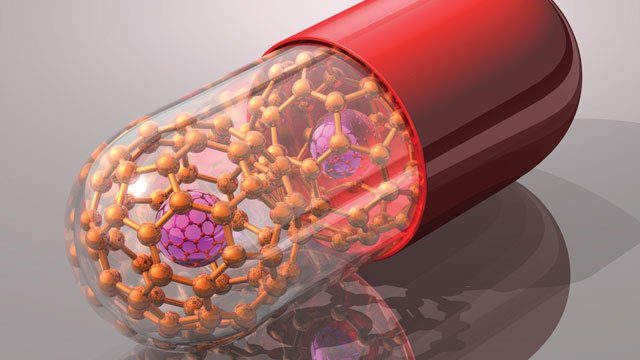
    The future of nanotechnology looks bright. As research and development continue, new uses for nanotechnology will emerge. Experts predict that in the coming years, nanotechnology will lead to breakthroughs in everything from medicine to renewable energy. However, it’s important to note that as with any emerging technology, there are still challenges to overcome, such as ensuring safety and ethical considerations. Despite these challenges, nanotechnology holds the promise of making the world a better place.

    Conclusion

    To sum up, nanotechnology is the manipulation of matter at an incredibly small scale. By working with atoms and molecules, scientists can create materials with unique properties. Nanotechnology is already being used in many industries, including medicine, electronics, and environmental science. With its potential to revolutionize technology and improve lives, it is clear that nanotechnology will continue to shape our future in exciting ways. As research advances, we can expect even more remarkable innovations in the years to come.