Category: Nano Technology

  • What Role Does Nanotechnology Play In Food Safety

    What Role Does Nanotechnology Play In Food Safety

    Nanotechnology is playing an increasingly important role in enhancing food safety. From detecting contaminants to improving food packaging, this cutting-edge technology is revolutionizing how food is handled and preserved. By applying nanotechnology in food safety, we can ensure that food remains fresh, safe, and free from harmful substances throughout its journey from farm to table.

    What Role Does Nanotechnology Play In Food Safety
    What Role Does Nanotechnology Play In Food Safety

    Detecting Contaminants in Food with Nanotechnology

    One of the most significant applications of nanotechnology for food safety is its ability to detect contaminants. Traditional methods of detecting pathogens, pesticides, or toxins in food can be time-consuming and sometimes inaccurate. However, with the help of nano-sensors for food safety, contaminants can be detected more efficiently and accurately.

    • Pathogen Detection: Nanotechnology in pathogen detection uses sensors that can identify harmful bacteria, viruses, and other microorganisms in food. This allows for quicker response times, reducing the risk of foodborne illnesses.
    • Pesticide Residue Detection: Nano-based sensors for pesticide detection can identify minute traces of harmful chemicals on food, ensuring that produce meets safety standards before it reaches consumers.

    These advancements in detection help protect consumers and ensure that food is safe to eat.

    Enhancing Food Preservation with Nanotechnology

    Nanotechnology in food preservation is another game-changing application. By improving the shelf life of food, nanotechnology helps reduce food waste and ensures that consumers enjoy fresher products. Nanomaterials, such as nano-coatings for food, can provide a protective barrier that extends the freshness of food products.

    • Antimicrobial Coatings: Nano-antimicrobial coatings for food help protect against harmful bacteria and mold growth on food products, such as fruits, vegetables, and meat. This allows food to stay fresh longer without the need for harmful preservatives.
    • Packaging Materials: Nanotechnology in food packaging improves the ability of packaging to preserve food. Nano-enabled packaging materials can prevent oxygen, moisture, and other elements from degrading food, keeping it fresher for longer.

    By preventing spoilage and reducing waste, nanotechnology helps maintain the quality of food for an extended period.

    Improving Food Quality with Nanotechnology

    Nanotechnology is also used to improve the overall quality of food. For instance, nanotechnology in food additives can enhance the texture, taste, and nutritional content of food products. This helps improve the eating experience and ensures that food remains both delicious and nutritious.

    • Nutrient Delivery: Nanoencapsulation for nutrient delivery allows nutrients like vitamins, minerals, and antioxidants to be better absorbed by the body. This ensures that food provides maximum nutritional benefits.
    • Enhanced Flavor and Texture: Nanotechnology in food texture enables better control over the consistency and texture of food, creating smoother and more appealing products.

    These improvements contribute to a more enjoyable and healthier food experience for consumers.

    Nanotechnology in Food Packaging for Safety and Sustainability

    Food packaging is another area where nanotechnology in packaging is making significant strides. Nanomaterials enhance packaging properties, providing both safety and sustainability benefits.

    • Smart Packaging: Smart packaging using nanotechnology includes labels and tags that can monitor the freshness of food and detect any changes in its environment. For example, nano-sensors in packaging can alert consumers if food has spoiled or is contaminated, reducing the risk of consuming unsafe products.
    • Sustainable Packaging: Nanotechnology for biodegradable packaging helps reduce the environmental impact of packaging materials. Nanomaterials can make packaging more durable and lighter, while also being more eco-friendly than traditional plastic.

    These advancements in food packaging improve both food safety and environmental sustainability.

    Overcoming Challenges with Nanotechnology in Food Safety

    Despite its many advantages, there are challenges that need to be addressed for nanotechnology in food safety to reach its full potential. One of the key challenges is ensuring the safety of nano-materials in food. As nanotechnology advances, researchers must carefully evaluate the potential risks associated with the use of nanoparticles in food products and packaging.

    • Regulation and Safety Concerns: Regulating nanotechnology in food safety is essential to ensure that it is safe for consumers. Governments and food safety organizations are working to establish clear guidelines for the use of nanotechnology in food.
    • Consumer Acceptance: Another challenge is gaining consumer trust. Some consumers may be hesitant about the use of nanotechnology in food, so educating the public about its safety and benefits is crucial.

    By addressing these challenges, nanotechnology can continue to improve food safety without compromising public health.

    Conclusion

    Nanotechnology has the potential to revolutionize food safety by providing more efficient ways to detect contaminants, preserve food, and improve food quality. From nano-sensors in food safety to nano-enhanced food packaging, the possibilities are vast. As research progresses, nanotechnology will play an even greater role in ensuring the safety, quality, and sustainability of the food we consume.

  • Top NanoTechnology Trends to Watch

    Top NanoTechnology Trends to Watch

    Nanotechnology is changing the world in remarkable ways. It is impacting everything from medicine to electronics, offering new solutions to old challenges. If you want to stay ahead of the curve, you need to know the top NanoTechnology trends to watch. These trends are shaping the future and providing exciting opportunities across industries.

    The Rise of Nano-Medicine

    One of the most significant NanoTechnology trends to watch is in the field of medicine. NanoMedicine is a growing area that focuses on using tiny particles to treat diseases and improve healthcare. Scientists are developing new ways to deliver drugs directly to specific areas in the body, which leads to more effective treatments with fewer side effects.

    Targeted Drug Delivery

    One of the most exciting aspects of NanoMedicine is targeted drug delivery. With nano-sized particles, doctors can deliver medication directly to affected areas in the body, such as tumours. This increases the effectiveness of the drugs while minimizing damage to healthy tissue. Nanotechnology allows for treatments that were previously impossible, changing how we approach diseases like cancer.

    Nanorobots for Surgery

    Another top NanoTechnology trend to watch is the development of nanorobots for surgery. These tiny robots can be designed to enter the human body and perform tasks like repairing cells or removing harmful substances. This could reduce the need for traditional invasive surgeries, speeding up recovery times and minimizing risks.

    Top NanoTechnology Trends to Watch
    Top NanoTechnology Trends to Watch

    Nanotechnology and Renewable Energy

    Another exciting area for NanoTechnology trends to watch is renewable energy. As the world focuses on reducing its dependence on fossil fuels, nano-based technologies are helping make renewable energy sources more efficient and affordable.

    Improving Solar Power Efficiency

    NanoTechnology trends to watch in the energy sector include the improvement of solar panels. Nanomaterials are being used to create solar panels that are more efficient at capturing sunlight, even in less-than-ideal conditions. This could make solar power a more viable and cost-effective energy source for homes and businesses worldwide.

    Nano-Based Energy Storage

    Another promising development is in energy storage. Nanotechnology is being used to create better batteries and energy storage systems. These systems can store more energy and last longer than traditional options, making them ideal for renewable energy systems like wind and solar. With better storage, renewable energy becomes more reliable and easier to use.

    Nanotechnology in Electronics

    NanoTechnology trends to watch in the electronics industry are rapidly transforming how we use technology. By shrinking components to the nano level, we can create faster, smaller, and more efficient devices. This trend is expected to continue as the demand for portable electronics grows.

    Smaller and More Powerful Devices

    With nano-based components, devices like smartphones, laptops, and wearables are getting smaller and more powerful. This allows for faster processing, better performance, and longer battery life. The trend toward miniaturization will continue to drive innovation in consumer electronics, leading to the next generation of smart devices.

    Flexible Electronics

    Flexible electronics are another exciting NanoTechnology trend to watch. Thanks to nanomaterials, scientists are creating electronic components that can bend and stretch. This could lead to the development of wearable electronics, foldable smartphones, and other devices that adapt to our daily needs. These innovations open up a world of possibilities for the future of electronics.

    Nanotechnology in Environmental Protection

    Environmental protection is another area where NanoTechnology trends to watch are making an impact. With nano-based materials, we are finding new ways to clean up pollution, conserve water, and reduce waste. These technologies offer more sustainable solutions to global environmental challenges.

    Water Purification

    One of the most promising environmental applications of NanoTechnology is in water purification. Nano filters can remove harmful contaminants from water, making it cleaner and safer to drink. These filters are more efficient and cost-effective than traditional methods, which could provide clean water to areas in need.

    Air and Soil Pollution Control

    NanoTechnology trends to watch also include the development of technologies to control air and soil pollution. Nano particles can be used to break down harmful pollutants in the environment, helping to reduce the effects of pollution on both human health and wildlife. These advancements offer hope for creating cleaner, healthier ecosystems.

    Conclusion

    The top NanoTechnology trends to watch are transforming multiple industries, including healthcare, energy, electronics, and environmental protection. As NanoTechnology continues to evolve, its potential to improve our lives grows. By staying informed about these trends, you can be part of the exciting future that NanoTechnology is shaping. Whether it’s in medicine, energy, or everyday products, the power of NanoTechnology will only continue to expand, offering new opportunities for innovation and progress.

  • How Can Nanotechnology Improve Water Purification Processes

    How Can Nanotechnology Improve Water Purification Processes

    Access to clean water is essential for life, but many regions face water pollution challenges. Nanotechnology offers innovative solutions, improving water purification systems and ensuring safe drinking water. By using advanced materials and techniques, nanotechnology removes contaminants more efficiently than traditional methods.

    How Can Nanotechnology Improve Water Purification Processes
    How Can Nanotechnology Improve Water Purification Processes

    Nanoparticles for Removing Harmful Contaminants

    Nanoparticles play a vital role in water purification by effectively removing pollutants. Their small size and large surface area allow them to trap harmful substances such as heavy metals, pesticides, and pathogens.

    • Heavy Metals: Nanoparticles like titanium dioxide and carbon nanotubes capture toxic metals like lead and mercury, preventing them from entering drinking water.
    • Pathogen Removal: Silver nanoparticles destroy bacteria and viruses, ensuring safer water for communities.

    This targeted approach reduces contamination levels and provides cleaner water.

    Advanced Filtration Systems Using Nanotechnology

    Nanotechnology enhances filtration systems, making them more effective and long-lasting. Nanofilters, which consist of membranes embedded with nanoparticles, block even the tiniest pollutants.

    • Reverse Osmosis: Nanotechnology improves reverse osmosis membranes, increasing efficiency and reducing energy consumption.
    • Desalination: Nano-engineered membranes remove salt from seawater, making it drinkable for regions with limited freshwater supplies.

    These advanced filtration systems address water scarcity and pollution challenges.

    How Nanotechnology Improves Water Treatment Efficiency

    Traditional water purification methods can be slow and resource-intensive. Nanotechnology streamlines these processes by enabling faster and more effective treatment.

    • Catalysts for Faster Reactions: Nano-catalysts speed up chemical reactions that break down pollutants.
    • Energy Efficiency: Nano-based systems use less energy, making water purification more sustainable.

    This increased efficiency ensures access to clean water while minimizing environmental impact.

    Addressing Emerging Contaminants with Nanotechnology

    Emerging contaminants, such as pharmaceuticals and microplastics, pose significant threats to water quality. Nanotechnology effectively targets these pollutants, which traditional methods often miss.

    • Pharmaceuticals: Nanoparticles remove drug residues from water, preventing environmental harm.
    • Microplastics: Advanced nanofilters trap tiny plastic particles, ensuring cleaner water supplies.

    By addressing these contaminants, nanotechnology protects ecosystems and human health.

    How Nanotechnology Supports Portable Water Purification

    Nanotechnology has made portable water purification devices more efficient and accessible. These compact systems benefit travelers, disaster relief efforts, and remote communities.

    • Emergency Situations: Nano-based purifiers provide immediate access to safe water during natural disasters.
    • Rural Areas: Portable systems powered by nanotechnology improve water quality in underserved regions.

    These innovations offer reliable solutions for clean water on the go.

    Overcoming Challenges in Nano-Based Water Purification

    While nanotechnology shows great promise, challenges remain. Producing nanoparticles can be expensive, and ensuring their safe disposal is crucial to avoid environmental harm.

    Additionally, scaling nano-based solutions for widespread use requires further research and investment. Despite these hurdles, ongoing advancements are making nanotechnology more accessible and sustainable.

    Conclusion

    Nanotechnology revolutionizes water purification by efficiently removing contaminants, enhancing filtration, and addressing emerging pollutants. It offers sustainable and portable solutions, providing clean water to communities worldwide. With continued innovation, nanotechnology holds the potential to solve global water crises and ensure a healthier future for all.

  • How NanoTechnology Works in Everyday Life

    How NanoTechnology Works in Everyday Life

    NanoTechnology is changing how we live in many ways. From improving the products we use daily to making technology more efficient, it is becoming a part of our everyday life. But how NanoTechnology works in everyday life? Let’s explore the impact of this technology and the many ways it benefits us in daily activities.

    How NanoTechnology Works in Everyday Life
    How NanoTechnology Works in Everyday Life

    What is NanoTechnology?

    To understand how NanoTechnology works in everyday life, we need to know what it is. NanoTechnology involves working with extremely small particles, often at the scale of atoms or molecules. These tiny particles, usually smaller than 100 nanometers, have unique properties that larger materials do not. This allows them to be used in many products to improve their performance.

    The Science Behind NanoTechnology

    At the nano scale, materials behave differently. For instance, they may be stronger, lighter, or more conductive. NanoTechnology works in everyday life by taking advantage of these special properties. This means that smaller materials are often better at tasks like storing energy, filtering water, or healing wounds.

    NanoTechnology in Health and Medicine

    One of the biggest ways NanoTechnology works in everyday life is in the field of health and medicine. This technology is used to improve treatments, diagnose illnesses, and deliver drugs more effectively. With NanoTechnology, doctors and researchers can work at a level never seen before, leading to better results in medical care.

    Medical Devices and Drug Delivery

    NanoTechnology works in everyday life by improving medical devices like sensors and imaging tools. These small sensors help doctors detect health issues faster and more accurately. Additionally, nanoparticles are used to deliver medicine directly to affected areas, making treatments more efficient. For example, cancer treatments can target only cancer cells, leaving healthy cells unharmed.

    Wound Healing and Skin Care

    Nanotechnology also plays a role in personal care. Many skincare products today use nanomaterials to deliver ingredients more effectively. These products are absorbed better, giving people better results. Furthermore, nano-silver is used in bandages to help wounds heal faster by preventing infection.

    NanoTechnology in Consumer Products

    Beyond health, NanoTechnology works in everyday life by improving the products we use regularly. Many consumer products, such as clothing, electronics, and cleaning supplies, are made better with nano-enhanced materials. This makes them more durable, effective, and environmentally friendly.

    Self-Cleaning Surfaces

    An exciting example of how NanoTechnology works in everyday life is self-cleaning surfaces. Some glass and fabrics are treated with nano-coatings that make them resistant to dirt and water. This makes it easier to clean windows or clothing and reduces the need for harsh chemicals.

    Electronics and Smart Devices

    Another way NanoTechnology works in everyday life is in electronics. Nano-sized materials are used to create smaller and more efficient components for devices like phones and computers. This leads to better performance, lower energy consumption, and smaller, lighter devices. Additionally, nano-based batteries last longer and charge more quickly.

    Environmental Impact of NanoTechnology

    How NanoTechnology works in everyday life also includes helping the environment. Many nanomaterials are used to improve energy efficiency and reduce waste. For example, nano-based filters can purify water and remove contaminants from the air. This technology makes it easier to clean up polluted environments and protect natural resources.

    Nano Technology in Water Filtration

    One of the most important environmental benefits of NanoTechnology is in water filtration. Nanomaterials can be used to filter out harmful chemicals, bacteria, and viruses from water. Furthermore, this makes it easier to provide clean drinking water to areas in need, improving health and quality of life.

    Energy Efficiency and Solar Power

    How NanoTechnology works in everyday life also extends to renewable energy. Nanotechnology is used to improve solar panels, making them more efficient at capturing sunlight. This helps reduce the use of fossil fuels and lowers the impact of energy consumption on the environment. More so, nano-enhanced solar panels are more affordable and effective in powering homes and businesses.

    Conclusion

    In conclusion, NanoTechnology works in everyday life in many ways that we may not always notice. From improving medical treatments to creating smarter and more sustainable products, it has become a part of our daily routines. As NanoTechnology continues to advance, we will see even more applications that benefit our health, environment, and lifestyle. The possibilities are endless, and its impact will continue to shape the future in exciting ways.

  • What Are The Risks Associated With Nanotechnology Use

    What Are The Risks Associated With Nanotechnology Use

    Nanotechnology is transforming the medical field, particularly in how drugs are delivered to patients. By using nanoscale materials, scientists can create highly targeted drug delivery systems. These advancements reduce side effects, improve drug stability, and make treatments more effective for patients with chronic and complex conditions.

    What Are The Risks Associated With Nanotechnology Use
    What Are The Risks Associated With Nanotechnology Use

    How Nanotechnology Targets Specific Cells in Drug Delivery

    Nanotechnology enables drugs to be delivered directly to diseased or affected cells. Nanoparticles are designed to identify specific cell markers, such as those found on cancerous cells. Once these nanoparticles attach to their target, they release the drug precisely where it is needed.

    For instance, in chemotherapy, traditional methods harm healthy cells along with cancer cells, causing unpleasant side effects. Nanoparticle-based drug delivery minimizes this issue by focusing only on the cancerous cells, making the treatment more tolerable and effective.

    Controlled Drug Release Using Nanoparticles

    Nanotechnology allows for controlled and sustained drug release. Medications encapsulated in nanoparticles release their contents over a specified time frame. This process ensures a consistent therapeutic effect, reducing the need for frequent dosing.

    For example, patients with chronic pain benefit from slow-releasing painkillers embedded in nanoparticles. This steady release not only enhances pain management but also lowers the risk of dependency associated with traditional pain medications.

    Nanotechnology Improves Drug Absorption and Stability

    Nanoparticles protect drugs as they travel through the body, increasing their stability. Many drugs degrade before reaching their intended site, but nanocarriers shield them until they arrive at their target.

    Additionally, nanotechnology improves the absorption of medications in hard-to-reach areas. For instance, the blood-brain barrier often prevents drugs from treating neurological conditions effectively. Nanoparticles can bypass this barrier, making treatments for brain disorders more successful.

    Reducing Side Effects with Precision Medicine

    Nanotechnology reduces side effects by delivering drugs in a highly targeted manner. Unlike traditional methods that flood the entire body with medication, nano-based systems act only where they are needed.

    For instance:

    • Cancer Treatments: Nanoparticles can carry chemotherapy drugs directly to tumors, sparing healthy tissues.
    • Autoimmune Diseases: Precision delivery minimizes immune suppression, reducing infection risks.

    This targeted approach enhances treatment efficacy and reduces discomfort for patients.

    How Nanotechnology Benefits Chronic Disease Management

    Nanotechnology has significant applications in managing chronic diseases. It improves the delivery and effectiveness of drugs for long-term conditions such as diabetes, cardiovascular diseases, and arthritis.

    • Diabetes: Smart nanoparticles release insulin in response to blood sugar levels, ensuring better glucose control.
    • Heart Disease: Nano-carriers deliver drugs directly to arterial plaques, reducing blockages and preventing heart attacks.

    These innovations enhance patient outcomes while simplifying treatment routines.

    Using Nanotechnology in Gene Therapy

    Gene therapy has seen a breakthrough with the help of nanotechnology. Delivering genetic material directly to cells has become more efficient and less invasive. Nanoparticles protect this material during transport and ensure it reaches the target cells safely.

    This application is particularly beneficial for treating genetic disorders, including cystic fibrosis and sickle cell anemia, offering new hope to patients with previously untreatable conditions.

    Challenges in Nanotechnology Drug Delivery

    While nanotechnology offers numerous benefits, it also faces challenges. Producing nanoparticles is costly and complex. Moreover, researchers need to understand the long-term effects of nanoparticles within the human body.

    Regulatory approvals for nano-based drugs are another obstacle, as the technology is still relatively new. However, ongoing research aims to address these issues, paving the way for broader adoption.

    Conclusion

    Nanotechnology is revolutionizing drug delivery by enabling precision targeting, controlled release, and improved absorption. These advancements are particularly impactful for chronic diseases and complex medical conditions. Despite challenges, the potential for nanotechnology to reshape medicine remains immense. As research continues, it will unlock new possibilities, making treatments safer, more effective, and patient-friendly.

  • Best NanoMaterials for Industrial Use

    Best NanoMaterials for Industrial Use

    Nanomaterials have become an essential part of various industries. These materials, made up of particles that are at the nanoscale, have unique properties that set them apart from traditional materials. As we look at the best nanomaterials for industrial use, we can see how they are improving performance, reducing costs, and opening new possibilities for innovation.

    What Are Nanomaterials?

    Before we dive into the best nanomaterials for industrial use, it is important to understand what nanomaterials are. Nanomaterials are materials that have structures at the nanometer scale, typically ranging from 1 to 100 nanometers. At this scale, materials exhibit properties that are not seen in bulk form, such as improved strength, chemical reactivity, and electrical conductivity.

    Types of Nanomaterials

    There are different types of nanomaterials, and each one has its own unique advantages for industrial use. The most common types include nanoparticles, nanotubes, nanowires, and nanocomposites. These materials are used in everything from electronics to construction to medicine.

    Best NanoMaterials for Industrial Use
    Best NanoMaterials for Industrial Use

    Top NanoMaterials for Industrial Use

    Several nanomaterials are particularly useful in industry. They bring improvements in performance, cost-efficiency, and durability. Let’s explore the best nanomaterials for industrial use and how they contribute to different industries.

    Carbon Nanotubes

    One of the most famous and useful nanomaterials for industrial use is carbon nanotubes. These are tiny tubes made of carbon atoms and have remarkable strength and flexibility. Carbon nanotubes are incredibly light yet strong, making them ideal for use in aerospace, construction, and automotive industries. They are also used in electronics for making faster, more efficient devices.

    Uses of Carbon Nanotubes

    Carbon nanotubes are used in creating strong, lightweight composites for the construction of airplanes and cars. In electronics, they are used to create smaller, more powerful semiconductors. In addition, they are employed in energy storage, such as batteries and supercapacitors, to improve efficiency and capacity.

    Graphene

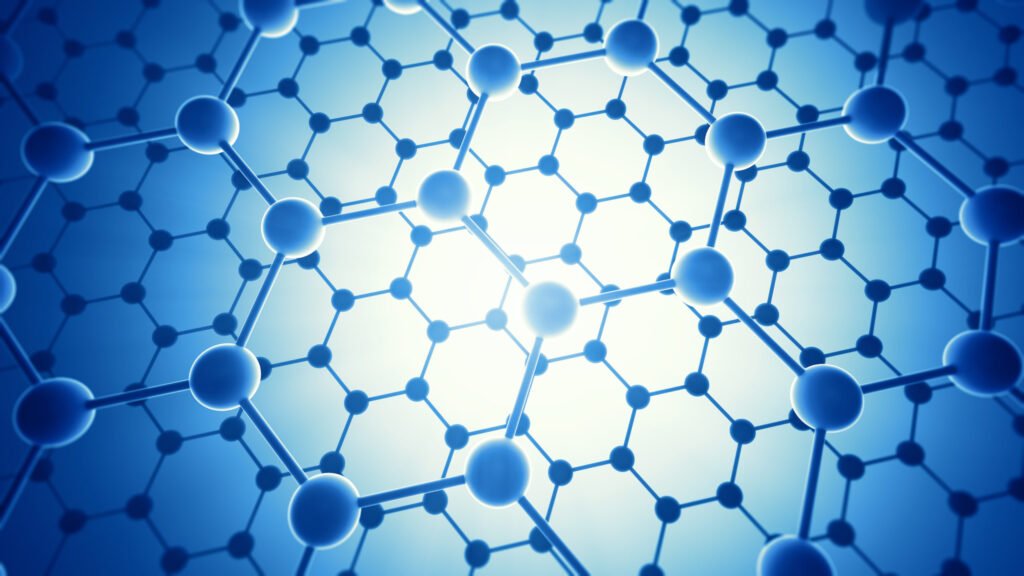
    Graphene, a single layer of carbon atoms arranged in a two-dimensional lattice, is another nanomaterial for industrial use that is gaining attention. It has incredible properties, including high electrical and thermal conductivity, extreme strength, and flexibility. Because of these qualities, graphene is being used in a variety of applications.

    Uses of Graphene

    Graphene is used in electronics to make faster and more energy-efficient devices. It is also employed in the energy sector to create more efficient batteries and solar cells. Additionally, graphene is used in medical applications for drug delivery and in water filtration systems due to its excellent filtering abilities.

    Nanocomposites

    Nanocomposites are materials made by incorporating nanomaterials into a matrix of other materials, such as plastics or metals. These composites improve the overall properties of the material, such as strength, durability, and resistance to wear and tear. They are among the best nanomaterials for industrial use because they enhance the performance of everyday materials.

    Uses of Nanocomposites

    Nanocomposites are widely used in the automotive and aerospace industries to make vehicles lighter and stronger. They are also used in packaging to improve the shelf life of products. Furthermore, they are found in electronics, where they help improve the performance of components like circuit boards and batteries.

    Benefits of Nanomaterials in Industry

    The best nanomaterials for industrial use offer numerous benefits that are transforming industries. Their small size and unique properties allow them to outperform traditional materials in many ways.

    Improved Strength and Durability

    Nanomaterials, such as carbon nanotubes and graphene, offer exceptional strength and durability. These properties make them ideal for use in products that require long-lasting performance, such as building materials, vehicles, and electronics.

    Enhanced Efficiency

    Nanomaterials can also improve the efficiency of products. For instance, in energy storage, nanomaterials help create batteries and supercapacitors that store more energy and charge faster. In electronics, nanomaterials enable smaller, faster, and more powerful devices, which improves overall efficiency.

    Environmental Benefits

    Another key advantage of nanomaterials for industrial use is their environmental impact. Many nanomaterials can improve energy efficiency, reduce waste, and aid in recycling. Graphene, for example, can be used in water filtration systems to remove contaminants, which helps in cleaning water resources and improving sustainability.

    Conclusion

    In conclusion, the best nanomaterials for industrial use are revolutionizing industries by providing stronger, lighter, and more efficient solutions. Carbon nanotubes, graphene, and nanocomposites are just a few examples of how nanotechnology is transforming sectors like aerospace, electronics, energy, and healthcare. As research continues to advance, the potential applications of nanomaterials will only grow, offering even more possibilities for innovation and improvement in industrial processes.

  • How Does Nanotechnology Improve Drug Delivery Systems

    How Does Nanotechnology Improve Drug Delivery Systems

    Nanotechnology has transformed drug delivery systems by making treatments more targeted, effective, and safer. By using nanoscale materials, medical researchers can deliver drugs directly to specific cells or tissues. This precision minimizes side effects and maximizes the therapeutic impact.

    How Does Nanotechnology Improve Drug Delivery Systems
    How Does Nanotechnology Improve Drug Delivery Systems

    Targeting Specific Cells with Nanotechnology

    Nanotechnology allows drugs to be delivered directly to the affected area. Nanoparticles can be engineered to recognize specific markers on diseased cells, such as cancer cells. Once attached, they release the medication only where it is needed.

    For instance, in cancer treatment, chemotherapy drugs can damage healthy cells. However, using nanotechnology, these drugs are encapsulated in nanoparticles that target only cancer cells. This reduces side effects like nausea and fatigue while improving outcomes.

    Enhancing Drug Stability and Absorption

    Nanotechnology enhances the stability of drugs during transportation through the body. Many drugs degrade or lose effectiveness before reaching their target, but nanoparticles protect them until delivery.

    Additionally, nanocarriers improve drug absorption by bypassing biological barriers like the blood-brain barrier. This advancement makes it possible to treat conditions like brain tumors and neurological disorders more effectively.

    Reducing Side Effects with Controlled Release

    Nanotechnology enables controlled drug release. Medications are encapsulated in nanoparticles that release the drug slowly over time. This ensures a steady supply of the medicine, reducing the frequency of dosing.

    Controlled release also helps reduce side effects. For example, patients with chronic pain benefit from slow-releasing painkillers, avoiding the risk of sudden spikes in dosage.

    Improving Treatment of Chronic Diseases

    Chronic diseases like diabetes and cardiovascular conditions require long-term medication. Nanotechnology streamlines the process by delivering drugs more efficiently. For instance:

    • Diabetes: Nanoparticles can carry insulin, releasing it when glucose levels rise.
    • Heart Disease: Nano-sized drug carriers can target plaque in arteries, delivering medication directly to reduce blockages.

    These advancements not only improve patient outcomes but also enhance their quality of life.

    Using Fewer Drugs for Better Results

    Nanotechnology ensures that drugs are delivered with precision, meaning smaller doses are needed to achieve the desired effect. This reduces the risk of overdosing and lowers costs for patients.

    For example, antibiotic resistance is a growing concern. Nanotechnology helps by delivering antibiotics directly to the infection site, reducing the need for high doses and slowing resistance development.

    Applications in Gene Therapy

    Nanotechnology has opened new possibilities in gene therapy. By delivering genetic material to specific cells, it helps treat genetic disorders and diseases like cystic fibrosis.

    Nanoparticles protect the genetic material during transportation, ensuring it reaches the target cells intact. This approach increases the success rate of gene therapies and reduces complications.

    Challenges in Nanotechnology Drug Delivery

    While the potential of nanotechnology in drug delivery is immense, challenges remain. Manufacturing nanoparticles is complex and expensive. Moreover, the long-term effects of nanoparticles in the body are not fully understood.

    Regulatory hurdles also slow down the adoption of nanotechnology in mainstream medicine. Researchers must address these challenges to ensure its widespread use.

    Conclusion

    Nanotechnology has revolutionized drug delivery systems, offering precision, efficiency, and fewer side effects. By targeting specific cells, enhancing stability, and enabling controlled release, it promises better treatments for various diseases. However, ongoing research and responsible development are essential to unlock its full potential and address existing challenges.

  • What Are The Environmental Impacts Of Nanotechnology

    What Are The Environmental Impacts Of Nanotechnology

    Nanotechnology is a transformative field that significantly affects the environment, both positively and negatively. It offers solutions to pressing issues like pollution, energy efficiency, and waste management. However, its rapid development also raises concerns about its potential risks to ecosystems and human health.

    What Are The Environmental Impacts Of Nanotechnology
    What Are The Environmental Impacts Of Nanotechnology

    How Nanotechnology Reduces Environmental Pollution

    One of the major benefits of nanotechnology is its role in reducing pollution. Nano-based filtration systems efficiently remove harmful substances from water and air. These systems target contaminants like heavy metals, microplastics, and greenhouse gases, improving environmental quality.

    Additionally, nanotechnology enables the development of biodegradable materials, reducing plastic waste and preventing pollution in oceans and landfills.

    Promoting Clean Energy Through Nanotechnology

    Nanotechnology supports the shift toward renewable energy. By improving the efficiency of solar panels, wind turbines, and batteries, it reduces reliance on fossil fuels. This transition helps lower greenhouse gas emissions and mitigates climate change.

    Moreover, nanomaterials enhance energy storage systems, enabling the use of renewable energy even during unfavorable weather conditions.

    Addressing Waste Management Challenges

    Nanotechnology plays a vital role in managing waste sustainably. Nano-engineered catalysts break down industrial waste and toxic chemicals more effectively. These advancements ensure safer disposal and recycling practices, reducing environmental harm.

    For example, nanoparticles can transform agricultural waste into biofuels, promoting a circular economy and reducing the need for non-renewable energy sources.

    Potential Risks of Nanotechnology to Ecosystems

    Despite its benefits, nanotechnology also poses risks to the environment. Nanoparticles, when released into soil or water, may harm microorganisms and disrupt ecosystems. For instance, certain nanoparticles can interfere with plant growth or accumulate in aquatic food chains, affecting biodiversity.

    Moreover, the long-term effects of nanomaterials on ecosystems remain unclear, raising concerns about their widespread use.

    Health Concerns Related to Nanotechnology

    The impact of nanotechnology on human health is another critical consideration. Nanoparticles, due to their small size, can enter the human body through inhalation, ingestion, or skin contact. In some cases, these particles may cause inflammation or other adverse health effects.

    To address these risks, researchers are studying the toxicity of nanomaterials and developing safer alternatives.

    How Regulations Can Mitigate Environmental Risks

    Effective regulation is essential to minimize the environmental and health risks of nanotechnology. Governments and international organizations are working to establish guidelines for the safe production, use, and disposal of nanomaterials.

    By promoting transparency and encouraging responsible innovation, these regulations aim to balance the benefits of nanotechnology with its potential impacts.

    Balancing Benefits and Risks

    Nanotechnology offers immense potential for environmental improvement. However, understanding its risks is crucial for sustainable development. Collaboration between researchers, policymakers, and industries is vital to harness its benefits while minimizing harm.

    Conclusion

    Nanotechnology has the power to reduce pollution, improve clean energy, and revolutionize waste management. However, it also poses risks to ecosystems and human health. By addressing these challenges with regulations and responsible practices, society can maximize its benefits while ensuring environmental safety.

  • How to Understand Nano Technology Basics

    How to Understand Nano Technology Basics

    Nanotechnology is a fascinating field that’s changing the way we live. Many people hear the term “nanotechnology” but don’t fully understand what it means. In simple terms, how to understand nanotechnology basics involves grasping the idea that it deals with materials and processes at a tiny scale—so small that we measure them in nanometers. This blog will explain the fundamental concepts of nanotechnology and its impact on everyday life.

    How to Understand NanoTechnology Basics
    How to Understand NanoTechnology Basics

    What is Nanotechnology?

    Before diving into how to understand nanotechnology basics, let’s first look at what nanotechnology is. Nanotechnology refers to the manipulation and control of matter at the atomic or molecular level. At this scale, materials behave in unusual ways, and scientists can take advantage of these properties to create new and better products.

    The Science Behind Nanotechnology

    The key to understanding nanotechnology basics lies in the size. A nanometer is one-billionth of a meter. To put this in perspective, imagine a strand of human hair. It’s about 100,000 nanometers thick. This tiny scale allows scientists to work with materials in a way that was impossible before.

    When we work at such small scales, materials can have different properties than they do in larger forms. For example, gold, which is usually shiny and yellow, can appear red or purple when it is reduced to nanoparticles. These changes in properties are what make nanotechnology so exciting.

    Applications of Nanotechnology

    One of the most important aspects of how to understand nanotechnology basics is recognizing the wide range of applications. Nanotechnology is used in many industries, from medicine to electronics to energy.

    Nanotechnology in Medicine

    Nanotechnology is making a big impact in healthcare. For instance, doctors are using tiny particles to deliver drugs directly to the area that needs treatment. This allows for more effective treatments with fewer side effects. Nanotech is also helping in early disease detection by improving imaging techniques.

    Nanotechnology in Electronics

    In electronics, nanotechnology has led to smaller, faster, and more powerful devices. Computer chips, for example, are getting smaller but more powerful, allowing for better performance in everything from smartphones to computers. This is one of the most noticeable impacts of nanotechnology in daily life.

    Understanding the Importance of Nanotechnology

    Now that you know what nanotechnology is and where it is used, it’s important to understand how nanotechnology basics can shape our future. This field has the potential to improve existing technologies and solve some of the world’s most pressing problems.

    Nanotech in Energy

    Energy is another area where nanotechnology is making a difference. By improving the efficiency of solar cells, nanotechnology helps harness renewable energy more effectively. It also plays a role in creating better batteries for electric cars and devices, which will help in reducing dependence on fossil fuels.

    Nanotechnology in the Environment

    Nanotechnology also has applications in environmental protection. Nanomaterials are being used to clean up pollutants, such as oil spills, more efficiently. The ability to filter out toxins from the air or water is another exciting possibility for the future.

    How to Learn More About Nanotechnology

    Understanding how to understand nanotechnology basics is just the first step. If you’re interested in learning more, there are plenty of resources available. You can find online courses, books, or even research papers that dive deeper into the subject. Many universities offer programs dedicated to nanotechnology, and some even provide introductory courses for beginners.

    Start With Simple Resources

    If you’re new to the topic, start with simple resources like articles or videos that explain nanotechnology in everyday language. Once you grasp the basics, you can move on to more technical texts. There are also many websites dedicated to nanotechnology research that break down complex ideas into simpler terms.

    Experiment with Nanotech Projects

    Another fun way to learn how to understand nanotechnology basics is by doing small experiments. Some schools and hobbyists create simple nanotech projects, like growing carbon nanotubes or experimenting with nanoscale materials. These projects can help you gain hands-on knowledge about the subject.

    Conclusion

    In conclusion, how to understand nanotechnology basics is all about recognizing its potential to change the world. By manipulating materials on a very small scale, scientists can create new solutions to problems in medicine, electronics, energy, and the environment. Whether you’re a student or simply someone curious about the future, nanotechnology is an exciting field worth exploring. As research continues to advance, the applications of nanotechnology will only grow, making it one of the most promising areas of science today.

  • How Is Nanotechnology Revolutionizing The Energy Industry

    How Is Nanotechnology Revolutionizing The Energy Industry

    Nanotechnology is making groundbreaking changes in the energy industry. By using nanoscale materials, scientists create advanced solutions to enhance energy production, storage, and efficiency. From improving solar panels to optimizing battery technologies, nanotechnology is paving the way for a cleaner, more sustainable future.

    How Is Nanotechnology Revolutionizing The Energy Industry
    How Is Nanotechnology Revolutionizing The Energy Industry

    How Nanotechnology Improves Solar Panel Efficiency

    Nanotechnology significantly boosts the efficiency of solar energy systems. By incorporating nanomaterials such as quantum dots and nanoparticles, solar panels can capture and convert more sunlight into electricity. These materials not only enhance energy absorption but also reduce heat loss, which is a common inefficiency in traditional solar panels.

    Additionally, nanotechnology allows for the creation of lightweight and flexible solar panels. This innovation makes solar energy accessible for various applications, including rooftops, portable chargers, and large-scale solar farms.

    Enhancing Battery Performance Using Nanotechnology

    Nanotechnology is transforming battery technologies in remarkable ways. Long-lasting, fast-charging batteries are now possible due to the use of graphene and silicon nanostructures. These advanced batteries are especially important for electric vehicles, where extended range and quick charging are essential.

    Moreover, nanotechnology improves energy storage systems for renewable energy sources like wind and solar power. Efficient batteries ensure that clean energy can be stored and used even when natural conditions are unfavorable.

    Reducing Energy Loss in Power Grids

    One major challenge in energy distribution is the loss of electricity during transmission. Nanotechnology addresses this by introducing high-conductivity materials like carbon nanotubes. These materials ensure minimal energy loss, creating more efficient power grids.

    With improved energy transmission, renewable energy sources can be integrated seamlessly, making the grid more reliable and environmentally friendly.

    Advancements in Hydrogen Fuel Cell Technology

    Hydrogen fuel cells are a promising clean energy source, and nanotechnology is making them more efficient. Nanocatalysts accelerate chemical reactions within fuel cells, improving their performance while reducing production costs.

    These advancements make hydrogen fuel cells a viable alternative for powering vehicles, industrial equipment, and backup energy systems.

    Developing Lightweight, Durable Materials for Energy Systems

    Nanotechnology is also transforming the materials used in energy systems. Lightweight, durable nanomaterials are ideal for applications like wind turbines and aerospace technologies. For example, nano-coatings reduce friction and wear in wind turbine blades, increasing their lifespan and efficiency.

    These innovations not only improve energy production but also lower maintenance costs, making renewable energy more practical and cost-effective.

    How Nanotechnology Supports Carbon Capture and Emission Reduction

    Nanotechnology is a powerful tool in combating carbon emissions. Nano-engineered catalysts efficiently capture carbon dioxide from industrial emissions, helping reduce the environmental impact. Captured CO2 can then be stored or converted into useful products, such as fuels or chemicals.

    By enhancing the efficiency of renewable energy systems and reducing dependency on fossil fuels, nanotechnology contributes to a cleaner, greener energy future.

    Exploring New Energy Harvesting Possibilities

    Nanotechnology enables the development of innovative energy harvesting systems. Nanogenerators, for example, convert mechanical energy—like vibrations or body movements—into electricity. These devices can power small electronics or sensors, providing energy solutions for remote or off-grid areas.

    Additionally, advancements in thermoelectric materials allow waste heat to be converted into usable energy, further improving overall energy efficiency.

    Conclusion

    Nanotechnology is revolutionizing the energy industry by improving solar panels, enhancing batteries, and enabling carbon capture. These innovations drive the adoption of clean energy solutions and reduce reliance on fossil fuels. As the technology advances, nanotechnology will continue shaping a more sustainable and efficient energy future.