Category: Nano Technology

  • Applications of Nano Technology in Medicine

    Applications of Nano Technology in Medicine

    Nano technology is transforming the field of medicine. By manipulating matter at the molecular and atomic levels, it opens up new possibilities for diagnosis, treatment, and prevention. Nano particles and nano materials are becoming essential tools in medical research and patient care. The applications of nano technology in medicine are broad, improving the efficiency and effectiveness of treatments. This post explores the most significant ways nano technology is changing healthcare.

    Applications of Nano Technology in Medicine
    Applications of Nano Technology in Medicine

    Targeted Drug Delivery Systems

    One of the most promising applications of nano technology in medicine is targeted drug delivery. Traditional drug delivery systems often affect both healthy and diseased tissues. Nano particles, however, can be engineered to deliver drugs directly to specific cells or tissues. This precision improves the effectiveness of treatments while minimizing side effects. For example, nano carriers can transport chemotherapy drugs directly to cancer cells, leaving healthy cells unharmed. This targeted approach ensures that the drug is used more efficiently, resulting in better outcomes for patients and fewer unwanted side effects.

    Nano Technology in Diagnostics

    Nano technology is also revolutionizing medical diagnostics. Nanosensors and nano-sized imaging agents are allowing for early disease detection with greater accuracy. For instance, nano particles can be designed to bind with specific biomarkers, indicating the presence of diseases like cancer, Alzheimer’s, or heart disease. These particles can then be detected through imaging techniques like MRI or PET scans, helping doctors identify health issues before symptoms appear. Early detection is crucial for successful treatment, and nano technology plays a vital role in making this possible. It enables faster, more reliable diagnosis, which ultimately improves patient outcomes.

    Nano Materials for Tissue Engineering

    Another exciting application of nano technology in medicine is tissue engineering. Nano materials are being used to create scaffolds that can support the growth of new tissue. These scaffolds can mimic the natural structure of human tissues, providing a more suitable environment for cell growth and repair. By using nano materials, scientists can develop more effective treatments for injuries, burns, or even organ regeneration. Nano technology allows for the creation of tissue that integrates seamlessly with the body, promoting faster healing and reducing the risk of rejection. This advancement could lead to breakthroughs in regenerative medicine.

    Nano Technology in Personalized Medicine

    Personalized medicine is another area where nano technology is having a significant impact. Each person’s genetic makeup is unique, which means treatments must be tailored to individual needs. Nano technology allows for the development of more precise and personalized treatments based on a person’s genetic profile. For example, nano-sized drug carriers can be used to deliver customized treatments that work best for the patient’s specific condition. This approach minimizes the trial-and-error process often seen in traditional treatments. As a result, patients receive more effective therapies that are tailored to their genetic and molecular characteristics.

    Nano Technology in Medical Imaging

    Nano technology is also enhancing medical imaging techniques. Nano particles are being used to improve the clarity and precision of images obtained during diagnostic procedures. For example, gold nanoparticles are increasingly used in imaging to enhance the contrast of images in X-rays and CT scans. This enables doctors to detect even the smallest abnormalities in the body. Nano technology also allows for real-time imaging, providing doctors with up-to-the-minute insights into a patient’s condition. With better imaging, doctors can make more informed decisions about treatments and procedures, leading to better overall care.

    Conclusion

    In conclusion, nano technology is revolutionizing the field of medicine. From targeted drug delivery to personalized treatments, nano technology offers innovative solutions that enhance the quality of patient care. It improves diagnostics, enables tissue regeneration, and makes medical imaging more precise. As research in nano technology continues to evolve, it will undoubtedly lead to even more advancements in healthcare. The potential of nano technology in medicine is vast, and its continued development will shape the future of medical treatments and patient outcomes.

  • Exploring Cross-Disciplinary Applications of Nano Technology

    Exploring Cross-Disciplinary Applications of Nano Technology

    Nano technology is a rapidly growing field with vast potential across many disciplines. It involves manipulating matter at the atomic or molecular level, typically between 1 and 100 nanometers. This innovation is revolutionizing industries ranging from medicine to electronics. The cross-disciplinary nature of nano technology allows it to enhance and impact a variety of fields. This post will explore how nano technology is applied across different industries and the promising advancements it brings.

    Exploring Cross-Disciplinary Applications of Nano Technology
    Exploring Cross-Disciplinary Applications of Nano Technology

    Nano Technology in Medicine

    In the field of medicine, nano technology has brought about groundbreaking advancements. One of its most exciting applications is in drug delivery systems. By using nano-sized particles, researchers can target specific cells or tissues with precision. This targeted delivery increases the effectiveness of treatments and reduces side effects. Furthermore, nano technology aids in imaging and diagnostics. Nanosensors can detect diseases at earlier stages, allowing for faster intervention and better patient outcomes. As nano technology evolves, it will continue to offer new ways to treat and diagnose diseases with greater precision.

    Nano Technology in Electronics

    Nano technology has also made a significant impact in the electronics industry. It has enabled the production of smaller, faster, and more efficient devices. For instance, nano-scale transistors are vital in the development of microchips used in computers and smartphones. These tiny components allow devices to operate at higher speeds while consuming less power. Moreover, nano technology is crucial in creating flexible and lightweight electronics. It paves the way for innovative devices like foldable smartphones, wearable technology, and smart textiles. As nano technology continues to advance, it will drive the next generation of electronic devices, making them more powerful and efficient.

    Nano Technology in Energy

    Energy production and storage have also seen substantial improvements through nano technology. Nano materials can increase the efficiency of solar cells, making them more affordable and accessible. By using nano-scale coatings and films, scientists have improved the light absorption rates of solar panels. This development could lead to a significant decrease in the cost of renewable energy. Additionally, nano technology is enhancing battery technology. Nanomaterials can store more energy in smaller spaces, extending the lifespan of batteries. As a result, we are witnessing innovations in energy storage, particularly for electric vehicles and renewable energy sources.

    Nano Technology in Environmental Science

    Nano technology is playing a vital role in environmental science as well. It offers innovative solutions for cleaning up pollutants and managing waste. Nano materials can remove toxins from water and air with greater efficiency than traditional methods. For example, nano-sized filters are being used to purify drinking water by removing harmful particles. Furthermore, nano technology is used in environmental monitoring systems to detect pollutants in the air and water. By improving the sensitivity and accuracy of these systems, nano technology helps to ensure better environmental protection. It holds promise for tackling some of the most pressing environmental challenges we face today.

    Nano Technology in Agriculture

    Nano technology is also transforming agriculture by improving crop yields and reducing the environmental impact of farming. Nano-based fertilizers and pesticides are being developed to enhance plant growth while minimizing waste and pollution. These nano products can deliver nutrients more efficiently, reducing the amount of chemicals needed. Additionally, nano sensors are being used to monitor soil conditions, providing real-time data to farmers. This allows for more precise application of water, fertilizers, and pesticides, leading to better crop management and sustainability. The potential for nano technology in agriculture is vast, offering solutions to feed the growing global population more efficiently.

    Conclusion

    In conclusion, nano technology is making significant strides across a variety of disciplines. From medicine to agriculture, its applications are reshaping industries and improving everyday life. Nano technology’s ability to manipulate materials at such a small scale opens up endless possibilities for innovation. As research in nano technology progresses, we can expect to see even more groundbreaking advancements that will transform the way we live and work. The future of nano technology is incredibly promising, and its cross-disciplinary applications are just beginning to be realized.

  • The Future of Technology in Enhancing Everyday Life

    The Future of Technology in Enhancing Everyday Life

    Technology is evolving rapidly. It is transforming our everyday life in ways we could not have imagined a few decades ago. From smart homes to wearable gadgets, technology is increasingly becoming a part of our daily routines. The future promises even more advancements that will further enhance how we live, work, and connect. This post explores the future of technology and how it will continue to improve everyday life.

    The Future of Technology in Enhancing Everyday Life
    The Future of Technology in Enhancing Everyday Life

    Smart Homes: The Heart of Future Living

    In the future, smart homes will be even more intelligent. They will automatically adjust to our needs and preferences. Imagine lights that dim when you watch a movie or a thermostat that learns your schedule and keeps the temperature just right. Devices like smart speakers and virtual assistants will manage household tasks, saving time and energy. With the integration of Artificial Intelligence (AI), smart homes will become more intuitive and responsive. This will create an environment that is not only more comfortable but also energy-efficient and secure.

    Wearable Technology: Monitoring Health and Fitness

    Wearable technology is already changing the way we monitor our health. Devices like smartwatches track everything from heart rate to sleep patterns. In the future, these devices will become even more advanced. They will provide real-time health data, alerting us to potential health issues before they become serious. Wearables may also help doctors monitor patients remotely, offering more personalized healthcare. These innovations will enable people to take charge of their health in a way that was once only possible with regular doctor visits.

    Autonomous Vehicles: A New Era of Transportation

    Autonomous vehicles are set to revolutionize transportation. Self-driving cars, trucks, and even drones will change how we travel and deliver goods. In the future, we can expect to see widespread use of autonomous vehicles on the roads. These vehicles will reduce human error, leading to fewer accidents and safer roads. Additionally, they will help alleviate traffic congestion and reduce pollution by optimizing driving patterns. As autonomous technology continues to improve, it will provide a more efficient, convenient, and eco-friendly way to get from one place to another.

    Artificial Intelligence and Automation: Shaping the Workforce

    Artificial Intelligence (AI) and automation are already making waves in various industries. In the future, they will become an integral part of everyday work life. AI will handle more complex tasks, freeing up human workers to focus on more creative and strategic roles. Automation will improve efficiency and reduce the need for manual labor in repetitive tasks. For example, in factories, robots will handle assembly lines, while human workers oversee and manage production. In offices, AI will assist with data analysis, scheduling, and decision-making. This shift will lead to a more productive workforce, with technology supporting workers rather than replacing them.

    Augmented Reality: A New Way of Interacting with the World

    Augmented Reality (AR) will transform how we interact with our environment. In the future, AR glasses or contact lenses could overlay digital information on the real world. This could help us navigate unfamiliar places, learn new skills, or even shop more efficiently. For instance, a user could look at a piece of furniture and instantly see how it would look in their home. AR will also play a role in education, providing immersive learning experiences that are more engaging than traditional methods. The potential applications of AR are endless, offering a new way to experience and understand the world around us.

    Conclusion

    The future of technology holds immense potential to enhance everyday life. From smart homes that cater to our needs to wearable tech that monitors our health, technology is making life more efficient and connected. Autonomous vehicles and AI are set to revolutionize transportation and work environments. Additionally, augmented reality will change how we experience the world, offering new ways to learn and interact. As technology continues to evolve, it will play an even more significant role in improving the quality of our lives.

  • How Nano Technology and Screen Printing Are Linked in Electronics

    How Nano Technology and Screen Printing Are Linked in Electronics

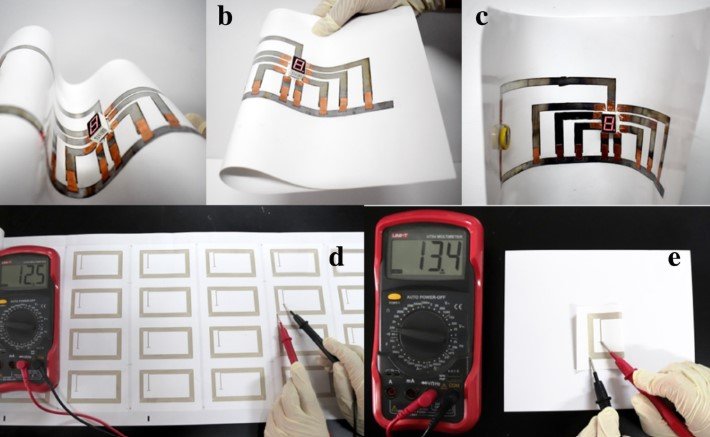
    Nano technology and screen printing have formed a powerful partnership in the electronics industry. This collaboration has revolutionized the way electronic devices are produced. By integrating nano materials with screen printing techniques, manufacturers can create more efficient, compact, and cost-effective electronics. In this post, we will explore how nano technology and screen printing work together to enhance the production of electronic components.

    How Nano Technology and Screen Printing Are Linked in Electronics
    How Nano Technology and Screen Printing Are Linked in Electronics

    What Is Nano Technology in Electronics?

    Nano technology refers to the manipulation of materials at the atomic or molecular level, typically within a scale of 1 to 100 nanometers. In electronics, nano materials are used to improve the performance of components like sensors, batteries, and transistors. These materials have unique properties that are not found in their bulk counterparts. For instance, nano materials can exhibit higher conductivity, strength, and flexibility. These properties make them ideal for use in the design of smaller, more efficient electronic devices.

    The Role of Screen Printing in Electronics Manufacturing

    Screen printing has been an essential method in electronics manufacturing for many years. It involves applying ink or paste onto a substrate, such as a circuit board, through a mesh screen. This process is particularly useful for applying conductive inks and materials to electronic components. In the context of nano technology, screen printing allows for the precise deposition of nano materials onto various substrates. The technique enables manufacturers to print fine patterns that are crucial for creating the complex structures of modern electronic devices.

    How Nano Technology Enhances Screen Printing

    Nano technology enhances screen printing by improving the quality and performance of the materials used. By incorporating nano-sized particles into inks, manufacturers can achieve higher resolution prints with greater accuracy. For example, nano-sized silver particles are often used in conductive inks to create thinner and more efficient electrical pathways. These inks can be applied using screen printing techniques to produce highly conductive layers that are essential for the functioning of electronic circuits. The use of nano materials also enables the production of more flexible and durable electronic devices.

    Benefits of Combining Nano Technology and Screen Printing

    The integration of nano technology with screen printing offers several significant benefits in electronics manufacturing. First, it allows for more precise and efficient production of electronic components. Nano materials can be printed with incredible accuracy, ensuring that each component meets stringent performance standards. Second, the combination of these technologies reduces production costs. Nano-based inks and screen printing methods are more cost effective than traditional manufacturing techniques. Additionally, the use of nano technology enables the creation of smaller and lighter devices, which is essential for meeting the growing demand for compact and portable electronics.

    Another advantage is the ability to create multi-functional components. With nano technology, manufacturers can design circuits that are not only smaller but also capable of performing multiple tasks. For example, nano sensors can be printed onto flexible substrates to create wearable electronics. This opens up new possibilities for industries such as healthcare, consumer electronics, and automotive.

    Future Prospects of Nano Technology and Screen Printing in Electronics

    Looking ahead, the role of nano technology and screen printing in electronics is expected to expand even further. As devices become increasingly miniaturized, the demand for more advanced manufacturing techniques will continue to grow. Nano materials will play a crucial role in this process, offering properties that enhance the performance and functionality of electronic devices. Moreover, screen printing technology is evolving to handle more complex nano materials, improving its efficiency and versatility. This will pave the way for the development of new types of electronic components, such as flexible displays, smart sensors, and energy-efficient devices.

    Conclusion

    In conclusion, nano technology and screen printing are strongly linked in the world of electronics. By combining the precision of screen printing with the unique properties of nano materials, manufacturers can produce smaller, more efficient, and cost-effective electronic components. As both fields continue to evolve, the potential for innovation in electronics manufacturing is immense. Embracing these technologies will be key to developing the next generation of advanced electronic devices.

  • Best Affordable Nanotech Devices

    Best Affordable Nanotech Devices

    Nanotechnology is rapidly changing how we live and work. It is not only for high-end industries but also for everyday consumers. In this article, we will explore the best affordable nanotech devices that are accessible to the general public. These devices bring cutting-edge technology to your fingertips without breaking the bank. Whether you are interested in health, electronics, or household items, there is something for everyone. Let’s dive into these affordable yet powerful nanotech innovations.

    What Are Nanotech Devices?

    Before we explore the best affordable nanotech devices, let’s first understand what nanotech devices are. Nanotechnology involves manipulating materials at the molecular or atomic level to create new and improved products. In simple terms, it’s the science of making tiny, powerful devices that can do big things. These devices often have better performance, are more durable, and use less energy compared to traditional products.

    Best Affordable Nanotech Devices
    Best Affordable Nanotech Devices

    Top Affordable Nanotech Devices You Can Buy Today

    Now, let’s look at the best affordable nanotech devices that you can start using right now. These devices blend advanced technology with affordability, making them perfect for everyday use.

    1. Nanotech Water Purifiers

    One of the best affordable nanotech devices for your home is a nanotech water purifier. These purifiers use nanomaterials, like carbon nanotubes or silver nanoparticles, to filter out bacteria, viruses, and harmful chemicals from water. Not only do they purify water more efficiently than traditional filters, but they also consume less energy and require less maintenance. This makes them an excellent choice for anyone looking to improve their water quality without spending too much money.

    2. Nanotech-Enhanced Sunscreens

    Another fantastic application of nanotechnology is in sunscreens. Nanotech-enhanced sunscreens use nanoparticles to create a more effective barrier against harmful UV rays. These sunscreens are often more lightweight and less greasy than traditional formulas. Additionally, they provide longer-lasting protection. Many affordable brands now offer nanotech-enhanced sunscreens, making it easy for anyone to access advanced skincare solutions.

    3. Smart Nanotech Fitness Trackers

    Fitness trackers have become incredibly popular, and now, thanks to nanotechnology, they are smarter and more efficient. Some of the best affordable nanotech devices in this category use nanosensors to track your body’s movements, heart rate, and even stress levels. These trackers provide accurate data while being small and comfortable to wear. They are designed to be affordable without compromising on performance, making them a great option for people who want to stay fit without spending too much.

    How Nanotech Devices Are Improving Everyday Life

    Nanotech devices are changing many aspects of our daily lives. They make things more efficient, sustainable, and affordable. Here are some ways these devices are improving life for consumers.

    Energy Efficiency

    Many nanotech devices are designed to be energy-efficient. For example, nanotech-based batteries last longer and charge faster. This means you don’t need to worry about constantly charging your devices. Moreover, nanotech can help create more energy-efficient homes by reducing energy waste in appliances.

    Health Benefits

    Some nanotech devices have direct health benefits. For instance, nanotechnology in medical devices allows for more precise treatments and faster diagnoses. Affordable nanotech health monitors can track vital signs and even detect early signs of illness, helping you stay healthy.

    Enhanced Durability

    Nanotech devices are also more durable. Materials enhanced by nanotechnology are often stronger, lighter, and more resistant to wear and tear. This is particularly useful for electronics, clothing, and tools. With nanotech, products last longer, which saves you money in the long run.

    Affordable Nanotech Devices in Electronics

    Nanotechnology has revolutionized the electronics industry, making many devices smaller, faster, and more efficient. Here are a few examples of the best affordable nanotech devices in this area.

    1. Nanotech Phone Screen Protectors

    Phone screen protectors using nanotechnology are another affordable innovation. These protectors are stronger, thinner, and more resistant to scratches and cracks than regular ones. The use of nanomaterials makes them more effective at protecting your phone while remaining invisible and adding minimal bulk.

    2. Nanotech Charging Cables

    Nanotech charging cables are more durable and faster than traditional cables. These cables use nano coatings to prevent fraying and wear over time. They also charge your devices more quickly, saving you time. For an affordable price, these nanotech charging cables offer great performance and longevity.

    Conclusion: Embrace Affordable Nanotech Devices Today

    In conclusion, the best affordable nanotech devices bring the power of advanced technology into your everyday life. Whether it’s improving your water quality, protecting your skin, tracking your fitness, or enhancing your electronics, there’s a nanotech device for everyone. The benefits of these devices include improved performance, energy efficiency, and durability—all at affordable prices. As nanotechnology continues to advance, we can expect even more affordable and innovative products to become available. So, why not explore the world of nanotech today and see how it can improve your life?

  • Best Resources to Learn Nanotechnology

    Best Resources to Learn Nanotechnology

    Nanotechnology is a fascinating field with endless possibilities. As technology continues to advance, it is becoming increasingly important to learn about nanotechnology. Whether you’re a student, professional, or just curious, knowing the best resources to learn nanotechnology can make a big difference. In this article, we will explore various platforms, courses, and materials that will help you gain knowledge in this cutting-edge field.

    What Is Nano Technology?

    Before diving into the best resources to learn nanotechnology, let’s first understand what it is. Nanotechnology refers to the manipulation of matter on a molecular or atomic scale. It involves designing, creating, and using structures, devices, and systems by controlling individual atoms and molecules. It can be applied in various industries, including medicine, electronics, and energy. Now, let’s explore the best ways to start your nanotechnology learning journey.

    Best Resources to Learn Nano Technology
    Best Resources to Learn Nano Technology

    Top Platforms to Learn Nano Technology

    When it comes to learning nanotechnology, online platforms are a great starting point. Here are some of the best resources to learn nanotechnology online:

    1. Coursera

    Coursera offers a wide range of courses on nanotechnology. Some courses are taught by top universities and institutions. They cover topics like nanophysics, nanomaterials, and nanoengineering. The best part is that many of these courses are free to audit, so you can learn at your own pace. If you prefer a more structured learning experience, you can opt for a paid certificate.

    2. edX

    Another excellent platform is edX. Like Coursera, it provides high-quality nanotechnology courses from universities around the world. The courses on edX are usually more focused on the scientific and engineering aspects of nanotechnology. They can help you develop both theoretical and practical knowledge. In addition, edX often provides free courses, making it a budget-friendly option for learners.

    3. FutureLearn

    FutureLearn is a great platform for beginners who are new to nanotechnology. It offers easy-to-understand courses and is perfect if you want to learn about the basics before moving on to more complex topics. The interactive nature of FutureLearn’s courses ensures that you will stay engaged as you learn.

    Books and Reading Materials

    In addition to online courses, there are several books and reading materials available to enhance your understanding of nanotechnology. These resources can provide in-depth knowledge and are often recommended by experts in the field.

    1. “Introduction to Nanotechnology” by Charles P. Poole Jr. and Frank J. Owens

    This book is one of the best resources for learning nanotechnology for beginners. It explains the fundamental principles of nanotechnology, offering clear examples and real-world applications. The language is simple and accessible, making it perfect for those who want to understand the basics.

    2. “Nano: The Essentials” by T. Pradeep

    T. Pradeep’s book is another excellent resource for those new to nanotechnology. It covers a wide range of topics, from nanomaterials to nanodevices. The book also includes illustrations and practical examples to help readers grasp complex concepts.

    YouTube Channels and Videos

    If you prefer visual learning, YouTube can be a great resource. Many channels provide educational videos on nano technology. These videos often explain complicated topics in a simple and easy-to-understand way.

    1. MIT OpenCourseWare

    MIT’s OpenCourseWare platform is a treasure trove of free lectures, and many of them focus on nano technology. The lectures are conducted by world-class professors, making them a top resource for students and professionals alike. The videos are engaging, and you can access them at any time, making it a flexible option for learning.

    2. NanoHub

    NanoHub is another excellent platform that offers a combination of videos, tutorials, and simulations. It is a great place for those who prefer a hands-on approach to learning. The website provides tools to simulate nano experiments, allowing users to practice and gain practical experience.

    Online Communities and Forums

    Being part of an online community is a valuable way to learn about nano technology. Engaging with others who share the same interests can help you stay updated on the latest developments in the field.

    1. Reddit – r/nanotechnology

    Reddit’s nano technology community, r/nanotechnology, is a great place to ask questions, share resources, and discuss ideas with other nano tech enthusiasts. The members are often experts in the field, and you can learn a lot from their discussions.

    2. Stack Exchange – Nano Engineering

    Stack Exchange’s Nano Engineering forum is another fantastic place to get answers to your questions. Whether you’re just starting or are more advanced, you’ll find helpful resources and discussions that will deepen your knowledge of nano technology.

    Conclusion: Start Learning Nano Technology Today

    In conclusion, there are many best resources to learn nano technology, ranging from online courses to books and community forums. By using a combination of these resources, you can build a solid understanding of this exciting field. Start with beginner-friendly courses and books, and gradually dive deeper into more advanced materials. Whether you prefer self-paced online learning, reading, or interacting with others, there’s a resource for everyone. So, why wait? Begin your journey into the world of nano technology today!

  • How Is Technology Transforming The Future Of Healthcare

    How Is Technology Transforming The Future Of Healthcare

    Technology is revolutionizing healthcare, making it more efficient, personalized, and accessible. From artificial intelligence to telemedicine, innovations are improving patient care, diagnosis, and treatment. Technology in healthcare is also changing how healthcare professionals interact with patients, manage data, and collaborate. This article explores the transformative role of technology in healthcare and how it will shape the future of medicine.

    How Is Technology Transforming The Future Of Healthcare
    How Is Technology Transforming The Future Of Healthcare

    Advancements in Medical Diagnostics

    Technology in medical diagnostics has led to groundbreaking improvements, allowing for quicker and more accurate diagnoses. Tools like artificial intelligence (AI) are helping doctors identify diseases early, leading to better outcomes.

    • AI algorithms can analyze medical imaging, such as CT scans or MRIs, with high accuracy, often detecting signs of diseases that might be missed by the human eye.
    • Genomic sequencing allows for precise identification of genetic conditions and offers insights into personalized treatments for patients.
    • Wearable devices monitor vital signs like heart rate and blood pressure, sending real-time data to healthcare providers for timely intervention.

    These advancements are making medical diagnoses faster, more accurate, and more tailored to individual needs, reducing the risk of complications.

    The Role of Telemedicine in Healthcare

    Telemedicine has become a game-changer in healthcare, especially in the wake of the COVID-19 pandemic. It allows patients to consult doctors remotely, improving accessibility and convenience.

    • Virtual consultations let patients receive medical advice without leaving home, saving time and reducing the risk of exposure to illnesses.
    • Remote monitoring tools enable doctors to track patients’ progress in real-time, especially for chronic conditions like diabetes or heart disease.
    • Telehealth platforms are expanding healthcare access in rural or underserved areas, where medical professionals may be scarce.

    Overall, telemedicine in healthcare is breaking down barriers and making healthcare more accessible to people around the world.

    Personalized Medicine Powered by Technology

    Personalized medicine is another area where technology is playing a transformative role. By using a patient’s genetic information, doctors can tailor treatments to suit their unique genetic makeup, improving effectiveness and reducing side effects.

    • Genetic testing helps doctors understand a patient’s predisposition to certain diseases, allowing for preventative measures or early treatment.
    • Pharmacogenomics combines genetics with pharmacology to determine which medications and dosages will be most effective for a patient, reducing trial-and-error in treatment.
    • 3D printing technology is used to create customized medical implants, prosthetics, and even tissue, ensuring that patients receive the most appropriate solutions.

    Thanks to technology, personalized treatments are becoming more common, offering a higher level of care tailored to individual needs.

    Robotics and Automation in Surgery

    Surgical robotics has made significant strides in the medical field, improving the precision and safety of surgeries. Robot-assisted surgeries allow for smaller incisions, reduced recovery times, and better outcomes.

    • Robotic surgery systems enable surgeons to perform minimally invasive procedures with greater accuracy, reducing human error.
    • Automation tools assist in tasks like sterilizing instruments, scheduling surgeries, and managing patient records, allowing healthcare professionals to focus more on direct patient care.
    • AI-powered robots can even assist in performing surgeries remotely, expanding the reach of skilled surgeons to patients in different locations.

    As a result, robotics in healthcare is revolutionizing surgery by making it more precise, less invasive, and more efficient.

    The Impact of Artificial Intelligence on Healthcare

    Artificial intelligence (AI) is rapidly becoming an integral part of healthcare. AI technologies can analyze vast amounts of medical data, identifying patterns that can improve patient outcomes and assist in medical decision-making.

    • AI-driven diagnostic tools can predict diseases like cancer, heart conditions, or neurological disorders, enabling early intervention.
    • Natural language processing (NLP) helps AI systems interpret medical records, making it easier for healthcare providers to access and analyze patient information.
    • AI-powered chatbots can assist with administrative tasks, provide virtual consultations, and even offer mental health support to patients.

    The integration of AI in healthcare is enhancing decision-making, improving accuracy, and enabling more effective treatments for patients.

    Technology in Patient Data Management

    Managing patient data is a critical aspect of healthcare, and technology is playing a key role in improving this process. Electronic Health Records (EHRs) and other data management systems streamline the collection, storage, and sharing of patient information.

    • EHR systems allow healthcare providers to access patient histories quickly, improving coordination and reducing the risk of errors.
    • Blockchain technology is being explored to secure patient data, ensuring privacy and protection from cyber threats.
    • Cloud computing enables doctors and hospitals to store large amounts of patient data securely, ensuring easy access from any location.

    With advanced data management tools, healthcare providers can offer more coordinated care, reduce errors, and ensure patient privacy.

    Future of Healthcare: The Role of Technology

    Looking ahead, technology will continue to drive innovation in healthcare, creating new opportunities for better care, improved outcomes, and more efficient systems.

    • Nanotechnology has the potential to revolutionize drug delivery and diagnostics, enabling treatments to target specific cells with high precision.
    • Augmented reality (AR) and virtual reality (VR) are being used for medical training, allowing doctors to practice complex procedures in a risk-free environment.
    • AI and machine learning will continue to evolve, offering even more sophisticated tools for diagnosing diseases, predicting patient outcomes, and developing personalized treatment plans.

    Conclusion

    In conclusion, technology in healthcare is transforming how medical professionals diagnose, treat, and care for patients. It is improving accessibility, efficiency, and precision, ultimately leading to better health outcomes. As technology continues to evolve, it will play an even more significant role in shaping the future of healthcare, offering innovative solutions to challenges and providing better care to patients around the world.

  • What Is Technology And How Does It Shape Our Lives

    What Is Technology And How Does It Shape Our Lives

    Technology is a broad field that refers to the use of scientific knowledge and tools to solve problems, improve processes, and enhance our daily lives. It includes everything from simple tools to complex systems that affect almost every aspect of human life. Technology in everyday life shapes how we work, communicate, and entertain ourselves. This article explores how technology influences our lives, from personal devices to innovations in healthcare and communication.

    As we explore how technology reshapes human experiences, entertainment platforms evolve alongside core innovations. The digital transformation extends beyond productivity tools into recreational spaces where secure interfaces matter.

    Modern systems now prioritize user trust through advanced verification protocols, much like emerging platforms in various sectors. This parallels developments seen at Jokaviproom VIP where streamlined access meets technological sophistication.

    Understanding these technological integrations helps us appreciate how digital solutions continue redefining engagement across industries.

    What Is Technology And How Does It Shape Our Lives
    What Is Technology And How Does It Shape Our Lives

    Understanding the Basics of Technology

    At its core, technology refers to tools, machines, and systems designed to make tasks easier and more efficient. From the earliest stone tools to modern-day smartphones, technology has always been part of human evolution. It enables us to tackle challenges and reach new heights in fields like science, education, and business.

    • Technological advancements often begin with simple inventions that evolve into complex systems. For example, early agriculture used basic tools, but today, we have automated farming equipment that maximizes production.
    • Digital technology has expanded rapidly in the past few decades, leading to the creation of computers, smartphones, and artificial intelligence, which have transformed how we live.

    As a result, technology affects almost every aspect of human existence, making our world more interconnected and efficient.

    How Technology Transforms Communication

    One of the most significant ways technology has shaped our lives is through advancements in communication. In the past, communicating across long distances was difficult and slow, but modern technology has made it possible to connect instantly with people across the globe.

    • Smartphones and social media platforms enable instant communication, whether through text, voice, or video calls. This has led to new ways of connecting with friends, family, and colleagues.
    • Email, messaging apps, and video conferencing are now common tools in both personal and professional communication, making it easier to stay connected no matter where you are.

    Thus, technology in communication has made the world feel smaller, creating opportunities for real-time collaboration and relationship-building that were previously impossible.

    Impact of Technology on Healthcare

    Technology has also had a profound impact on healthcare, improving both the treatment and prevention of diseases. Medical technology has saved millions of lives, improved patient care, and made healthcare more accessible.

    • Telemedicine has allowed patients to consult with doctors remotely, making healthcare more convenient, especially in rural or underserved areas.
    • Advanced medical devices such as MRI machines, robotic surgery tools, and wearable health monitors enable more accurate diagnoses and more effective treatments.
    • Medical research has been accelerated by technological tools, allowing scientists to develop new drugs, treatments, and vaccines more quickly and efficiently.

    In this way, technology in healthcare has dramatically improved the quality of life for many, providing more efficient, timely, and affordable care.

    Technology and the Workplace

    In the workplace, technology has revolutionized how we work. It has made tasks more efficient, streamlined processes, and created new career opportunities.

    • Automation and artificial intelligence (AI) have transformed industries like manufacturing, finance, and healthcare by automating repetitive tasks, which increases productivity.
    • Cloud computing allows businesses to store and access data remotely, facilitating collaboration and enabling employees to work from anywhere in the world.
    • Remote work tools like video conferencing, project management software, and digital file sharing have made it easier for people to work from home or any location, especially during the COVID-19 pandemic.

    Technology has therefore shaped the modern workplace, leading to more flexible, efficient, and global work environments.

    Technology’s Role in Education

    The impact of technology in education has been profound. Today, digital learning tools are transforming the way we acquire knowledge. From online courses to interactive apps, technology has made education more accessible and personalized.

    • Online learning platforms allow people to study from anywhere, anytime, removing barriers to education.
    • Educational apps help students learn at their own pace, while virtual classrooms provide interactive, hands-on experiences that enhance learning.
    • Digital textbooks and resources make educational materials more affordable and up-to-date, improving access for students of all backgrounds.

    Thus, technology is reshaping education by making learning more flexible, personalized, and accessible to a global audience.

    How Technology Impacts Daily Life

    Daily, technology touches nearly every part of our lives, from entertainment to transportation. We use smartphones to shop, stream content, and find directions. We also rely on smart home devices to control lighting, temperature, and security.

    • Smart devices like refrigerators, thermostats, and even coffee makers now connect to the internet, allowing users to control them remotely and create a more efficient home environment.
    • Transportation technology, such as GPS navigation systems, electric vehicles, and ride-sharing apps, has made traveling faster and more convenient.

    As a result, technology is integral to modern living, making daily tasks more convenient, efficient, and enjoyable.

    Environmental Impacts of Technology

    While technology offers many benefits, it also presents challenges, especially concerning the environment. The production and disposal of electronic devices contribute to e-waste, which can harm the planet.

    • Renewable energy technologies like solar and wind power are helping to reduce carbon footprints and reliance on fossil fuels.
    • Electric vehicles (EVs) are another example of how technology in transportation is helping reduce emissions and fight climate change.

    Therefore, technological innovations are also being used to create a more sustainable future, though it is essential to balance growth with environmental responsibility.

    Conclusion

    In conclusion, technology is a powerful force that continues to shape and improve our lives in countless ways. From communication to healthcare, education, and daily living, technology in modern society plays a central role in creating efficiencies, solving problems, and opening up new opportunities. As we move forward, it will continue to evolve, presenting new possibilities and challenges for individuals, businesses, and the planet. Embracing technology responsibly will ensure it remains a positive influence on our lives for years to come.

  • How Is Nanotechnology Transforming The Field Of Textiles

    How Is Nanotechnology Transforming The Field Of Textiles

    Nanotechnology is revolutionizing the textile industry by enhancing fabric performance, durability, and functionality. Through the integration of nanoscale materials and processes, nanotechnology in textiles is enabling the creation of smarter, more sustainable fabrics that offer advanced features like water resistance, enhanced strength, and even self-cleaning properties. This article explores the various ways nanotechnology is transforming textiles, making them more efficient, durable, and environmentally friendly.

    How Is Nanotechnology Transforming The Field Of Textiles
    How Is Nanotechnology Transforming The Field Of Textiles

    Enhancing Fabric Durability with Nanotechnology

    One of the most significant impacts of nanotechnology in textiles is its ability to enhance fabric durability. Nano-coatings and treatments can significantly improve the strength and longevity of textiles, making them more resistant to wear and tear.

    • Nano-coatings for textiles provide fabrics with superior resistance to stains, dirt, and wear. These coatings create a protective layer on the fabric surface, making it more durable and easier to maintain.
    • Nanofibers for textiles are stronger and lighter than traditional fibers, offering increased strength without sacrificing comfort. These fibers also improve the fabric’s resistance to abrasion, ensuring that clothing and other textile products last longer.

    As a result, nanotechnology in fabric innovation is creating textiles that maintain their appearance and function for longer periods, reducing the need for frequent replacements and helping to extend the lifespan of textile products.

    Smart Textiles Powered by Nanotechnology

    Nanotechnology is also leading to the creation of smart textiles—fabrics that can respond to external stimuli like temperature, moisture, and pressure. By incorporating nanoscale materials, nanotechnology in smart textiles enables the development of garments and fabrics with advanced capabilities.

    • Thermo-regulating textiles can adjust to changes in body temperature, providing warmth when it’s cold and cooling the body when it’s hot. This is particularly beneficial for activewear and outdoor gear.
    • Nano-sensors in textiles can monitor a person’s health, such as heart rate or body temperature, and provide real-time data. These smart fabrics have the potential to revolutionize healthcare by enabling remote monitoring of vital signs.
    • Self-cleaning textiles use nanotechnology to create surfaces that repel dirt and liquids, preventing stains and reducing the need for frequent washing. This technology makes fabric maintenance easier and more sustainable.

    These innovations show how nanotechnology in textile applications is making everyday clothing and fabrics more functional, convenient, and versatile.

    Improving Water and Stain Resistance with Nanotechnology

    One of the most popular applications of nanotechnology in textiles is improving water and stain resistance. Nano-coatings and treatments are used to make fabrics hydrophobic, meaning they repel water and resist stains, keeping them cleaner for longer periods.

    • Waterproof textiles made with nanotechnology are commonly used in outdoor clothing, such as jackets and boots. These fabrics provide better protection against rain and moisture while maintaining breathability.
    • Stain-resistant fabrics are enhanced with nanomaterials that create a surface that repels oil, dirt, and liquids. This is particularly beneficial for upholstery, uniforms, and everyday clothing that is exposed to stains.

    By making textiles more resistant to water and stains, nanotechnology in fabric treatments reduces the need for harsh cleaning chemicals and minimizes the impact on the environment.

    Sustainable Textiles: Nanotechnology and the Environment

    Nanotechnology also holds great promise for promoting sustainability in the textile industry. By improving fabric performance and durability, nanotechnology in sustainable textiles can reduce the need for frequent replacements, leading to less textile waste. Additionally, certain nanomaterials can be used to create fabrics with a lower environmental impact.

    • Eco-friendly nanomaterials are being used to create fabrics that are biodegradable or made from renewable resources. These materials reduce the environmental footprint of textile production and disposal.
    • Nanotechnology in dyeing processes helps minimize water and chemical usage in textile manufacturing. Traditional dyeing methods are water-intensive and harmful to the environment, but nanotechnology in textile dyeing can reduce both water consumption and the use of toxic chemicals, making the process more sustainable.

    By making textiles more durable, easier to clean, and environmentally friendly, nanotechnology in sustainable textiles is helping to reduce waste and improve the overall sustainability of the textile industry.

    Nanotechnology in Textile Design and Innovation

    Nanotechnology is also making its mark in the world of textile design. The ability to manipulate materials at the nanoscale opens up new possibilities for creativity and innovation in fabric development. Designers can experiment with new textures, finishes, and functionalities that were previously impossible with traditional textiles.

    • Advanced textile finishes made possible by nanotechnology offer new ways to design fabrics with enhanced properties, such as UV protection, anti-microbial resistance, and improved comfort.

    These advancements are driving the future of textile innovation, enabling designers to create fabrics that are not only beautiful but also highly functional and practical.

    Conclusion

    Nanotechnology is changing the textile industry by improving fabric durability, creating smart textiles, and promoting sustainability. As nanotechnology in textiles continues to evolve, it will lead to even more breakthroughs that improve the functionality, performance, and environmental impact of textiles.

  • Best Uses of Nantechnology in Electronics

    Best Uses of Nantechnology in Electronics

    Nanotechnology has become a game-changer in the electronics industry. With the ability to manipulate materials at a microscopic scale, nanotechnology is helping create faster, smaller, and more efficient devices. The best uses of nanotechnology in electronics have transformed everything from smartphones to computers and beyond. In this post, we will explore the key applications of nanotechnology and how it is shaping the future of electronics.

    Best Uses of Nanotechnology in Electronics
    Best Uses of Nanotechnology in Electronics

    Smaller and More Powerful Devices

    One of the most exciting best uses of nanotechnology in electronics is its role in making devices smaller and more powerful. With nanomaterials, manufacturers can create components that are much smaller than traditional materials. These tiny components improve performance, efficiency, and the overall design of electronic devices.

    Shrinking the Size of Components

    Nanotechnology allows for the development of smaller and lighter components. As a result, we can now enjoy more compact electronics without sacrificing power. For instance, the processing chips inside computers and smartphones are getting smaller, yet they are becoming more powerful. This is one of the top best uses of nanotechnology in electronics, as it enables us to have more advanced devices that fit in our pockets.

    Improving Device Performance

    By using nanomaterials, electronic components are becoming faster and more energy-efficient. This means devices can run more smoothly, with better battery life. As a result, consumers enjoy more reliable and efficient electronics, such as smartphones that last longer between charges. These improvements are due to the unique properties of materials at the nanoscale, which offer better conductivity and reduced resistance.

    Flexible Electronics

    Another exciting best use of nanotechnology in electronics is the development of flexible electronics. Thanks to nanomaterials, engineers can now create electronic components that are bendable, stretchable, and even foldable. This opens up a whole new world of possibilities for electronics.

    Wearable Technology

    Flexible electronics have led to innovations in wearable technology. With the help of nanotechnology, we can now have smartwatches, fitness trackers, and health monitors that are more comfortable to wear and provide better functionality. These devices can bend and stretch without losing their performance. This is one of the best uses of nanotechnology in electronics, especially for users who demand more flexibility from their devices.

    Flexible Displays

    Nanotechnology is also making it possible to create flexible and foldable displays. This has resulted in the development of foldable smartphones, tablets, and even televisions. These devices allow users to enjoy large screens that can be easily folded for portability. Flexible displays are transforming how we interact with technology, and nanotechnology is at the heart of this revolution.

    Nano-Coatings for Durability

    Another one of the best uses of nanotechnology in electronics is the development of nano-coatings. These coatings improve the durability of electronic devices by making them resistant to wear and tear, water, and even scratches.

    Water and Dust Resistance

    With nanotechnology, electronic devices can be made resistant to water and dust. Nano-coatings form a protective layer on the device, preventing water or dust from damaging the internal components. This is especially useful for devices like smartphones, which are often exposed to the elements. The best uses of nanotechnology in electronics ensure that our gadgets are not only more durable but also longer-lasting.

    Scratch-Resistant Screens

    Thanks to nanotechnology, smartphones, tablets, and other electronics now come with screens that are more resistant to scratches. The nano-coatings applied to the screens make them more durable and capable of withstanding everyday wear and tear. This is one of the most practical and popular best uses of nanotechnology in electronics.

    Improved Battery Technology

    Nanotechnology is also playing a key role in improving battery technology, which is crucial for the performance of all portable electronics. Through the use of nanomaterials, scientists are developing batteries that can store more energy, charge faster, and last longer.

    Faster Charging and Longer Battery Life

    With nanotechnology, batteries are becoming more efficient. Nanomaterials allow batteries to charge faster and hold more power. This leads to longer battery life, which is especially important for devices like smartphones, laptops, and electric cars. The development of better batteries is one of the most impactful best uses of nanotechnology in electronics.

    More Compact Batteries

    In addition to improving performance, nanotechnology is also making batteries smaller and more compact. This allows manufacturers to create thinner and lighter devices without sacrificing power. Smaller batteries also make it easier to incorporate other advanced features into devices, such as larger screens or enhanced processing capabilities.

    Conclusion

    The best uses of nanotechnology in electronics are revolutionizing the way we use technology. From smaller and more powerful devices to flexible electronics and improved battery life, nanotechnology is driving innovation in the electronics industry. As nanotechnology continues to evolve, we can expect even more exciting advancements in the years to come. With all these improvements, it’s clear that nanotechnology is not just a passing trend but a key factor in shaping the future of electronics.