Blog

  • What Is Technology And How Does It Shape Our Lives

    What Is Technology And How Does It Shape Our Lives

    Technology is a broad field that refers to the use of scientific knowledge and tools to solve problems, improve processes, and enhance our daily lives. It includes everything from simple tools to complex systems that affect almost every aspect of human life. Technology in everyday life shapes how we work, communicate, and entertain ourselves. This article explores how technology influences our lives, from personal devices to innovations in healthcare and communication.

    As we explore how technology reshapes human experiences, entertainment platforms evolve alongside core innovations. The digital transformation extends beyond productivity tools into recreational spaces where secure interfaces matter.

    Modern systems now prioritize user trust through advanced verification protocols, much like emerging platforms in various sectors. This parallels developments seen at Jokaviproom VIP where streamlined access meets technological sophistication.

    Understanding these technological integrations helps us appreciate how digital solutions continue redefining engagement across industries.

    What Is Technology And How Does It Shape Our Lives
    What Is Technology And How Does It Shape Our Lives

    Understanding the Basics of Technology

    At its core, technology refers to tools, machines, and systems designed to make tasks easier and more efficient. From the earliest stone tools to modern-day smartphones, technology has always been part of human evolution. It enables us to tackle challenges and reach new heights in fields like science, education, and business.

    • Technological advancements often begin with simple inventions that evolve into complex systems. For example, early agriculture used basic tools, but today, we have automated farming equipment that maximizes production.
    • Digital technology has expanded rapidly in the past few decades, leading to the creation of computers, smartphones, and artificial intelligence, which have transformed how we live.

    As a result, technology affects almost every aspect of human existence, making our world more interconnected and efficient.

    How Technology Transforms Communication

    One of the most significant ways technology has shaped our lives is through advancements in communication. In the past, communicating across long distances was difficult and slow, but modern technology has made it possible to connect instantly with people across the globe.

    • Smartphones and social media platforms enable instant communication, whether through text, voice, or video calls. This has led to new ways of connecting with friends, family, and colleagues.
    • Email, messaging apps, and video conferencing are now common tools in both personal and professional communication, making it easier to stay connected no matter where you are.

    Thus, technology in communication has made the world feel smaller, creating opportunities for real-time collaboration and relationship-building that were previously impossible.

    Impact of Technology on Healthcare

    Technology has also had a profound impact on healthcare, improving both the treatment and prevention of diseases. Medical technology has saved millions of lives, improved patient care, and made healthcare more accessible.

    • Telemedicine has allowed patients to consult with doctors remotely, making healthcare more convenient, especially in rural or underserved areas.
    • Advanced medical devices such as MRI machines, robotic surgery tools, and wearable health monitors enable more accurate diagnoses and more effective treatments.
    • Medical research has been accelerated by technological tools, allowing scientists to develop new drugs, treatments, and vaccines more quickly and efficiently.

    In this way, technology in healthcare has dramatically improved the quality of life for many, providing more efficient, timely, and affordable care.

    Technology and the Workplace

    In the workplace, technology has revolutionized how we work. It has made tasks more efficient, streamlined processes, and created new career opportunities.

    • Automation and artificial intelligence (AI) have transformed industries like manufacturing, finance, and healthcare by automating repetitive tasks, which increases productivity.
    • Cloud computing allows businesses to store and access data remotely, facilitating collaboration and enabling employees to work from anywhere in the world.
    • Remote work tools like video conferencing, project management software, and digital file sharing have made it easier for people to work from home or any location, especially during the COVID-19 pandemic.

    Technology has therefore shaped the modern workplace, leading to more flexible, efficient, and global work environments.

    Technology’s Role in Education

    The impact of technology in education has been profound. Today, digital learning tools are transforming the way we acquire knowledge. From online courses to interactive apps, technology has made education more accessible and personalized.

    • Online learning platforms allow people to study from anywhere, anytime, removing barriers to education.
    • Educational apps help students learn at their own pace, while virtual classrooms provide interactive, hands-on experiences that enhance learning.
    • Digital textbooks and resources make educational materials more affordable and up-to-date, improving access for students of all backgrounds.

    Thus, technology is reshaping education by making learning more flexible, personalized, and accessible to a global audience.

    How Technology Impacts Daily Life

    Daily, technology touches nearly every part of our lives, from entertainment to transportation. We use smartphones to shop, stream content, and find directions. We also rely on smart home devices to control lighting, temperature, and security.

    • Smart devices like refrigerators, thermostats, and even coffee makers now connect to the internet, allowing users to control them remotely and create a more efficient home environment.
    • Transportation technology, such as GPS navigation systems, electric vehicles, and ride-sharing apps, has made traveling faster and more convenient.

    As a result, technology is integral to modern living, making daily tasks more convenient, efficient, and enjoyable.

    Environmental Impacts of Technology

    While technology offers many benefits, it also presents challenges, especially concerning the environment. The production and disposal of electronic devices contribute to e-waste, which can harm the planet.

    • Renewable energy technologies like solar and wind power are helping to reduce carbon footprints and reliance on fossil fuels.
    • Electric vehicles (EVs) are another example of how technology in transportation is helping reduce emissions and fight climate change.

    Therefore, technological innovations are also being used to create a more sustainable future, though it is essential to balance growth with environmental responsibility.

    Conclusion

    In conclusion, technology is a powerful force that continues to shape and improve our lives in countless ways. From communication to healthcare, education, and daily living, technology in modern society plays a central role in creating efficiencies, solving problems, and opening up new opportunities. As we move forward, it will continue to evolve, presenting new possibilities and challenges for individuals, businesses, and the planet. Embracing technology responsibly will ensure it remains a positive influence on our lives for years to come.

  • How to Choose the Right Inks for Screen Printing

    How to Choose the Right Inks for Screen Printing

    Choosing the right inks for screen printing is crucial for achieving high-quality prints. Whether you are printing on fabric, paper, or another material, the ink you select can affect the durability, appearance, and feel of the final product. In this guide, we’ll discuss how to choose the right screen printing inks based on your specific needs and printing environment.

    How to Choose the Right Inks for Screen Printing
    How to Choose the Right Inks for Screen Printing

    Understanding Different Types of Screen Printing Inks

    Before you make a decision, it’s important to understand the different types of screen printing inks available. There are several options, each with unique qualities and uses.

    1. Plastisol Inks: These are the most commonly used inks for screen printing on textiles. Plastisol ink sits on top of the fabric rather than absorbing into it. This creates a vibrant, opaque design. Plastisol is durable and works well for printing on dark fabrics.
    2. Water-Based Inks: As the name suggests, water-based inks use water as a solvent. These inks penetrate the fabric, making the design feel softer and more natural. Water-based inks are more eco-friendly than plastisol but may require additional care to ensure the prints are durable.
    3. Solvent-Based Inks: These inks are used for printing on non-porous materials such as plastics or metals. Solvent-based inks offer a glossy finish and strong adhesion but tend to release harmful fumes, so proper ventilation is necessary when using them.

    Consider the Material You Are Printing On

    The type of material you are printing on plays a major role in choosing the right ink. For fabrics, plastisol and water-based inks are the most common choices.

    • For T-Shirts: If you’re printing on cotton or a cotton blend, plastisol is the most reliable choice due to its vibrant color and durability. Water-based ink, on the other hand, is best for achieving a soft, vintage look on light-colored garments.
    • For Specialty Materials: If you are printing on materials such as plastic, glass, or metal, solvent-based inks work best. These inks bond well with non-porous surfaces and provide a glossy finish that lasts.

    Durability and Longevity of Inks

    Another important factor to consider when choosing screen printing inks is the durability of the print. Some inks are better suited for long-lasting designs than others.

    • Plastisol: Known for its durability, plastisol ink can last through many washes without fading. This makes it ideal for items like t-shirts and hoodies that will experience regular use.
    • Water-Based Inks: While water-based inks produce a soft feel, they are less durable than plastisol. However, water-based prints are ideal for achieving eco-friendly designs and can last long if cured properly.
    • Solvent-Based Inks: These inks offer excellent durability for outdoor items or products that need resistance to wear and tear. However, they can be more difficult to work with due to their toxic fumes and curing requirements.

    The Feel and Finish of the Ink

    When selecting an ink, consider the finish and feel you want your print to have. The ink type you choose will determine the texture and appearance of your design.

    • Plastisol: The ink has a thick, glossy finish and sits on top of the fabric, creating a raised, textured effect. It is ideal for bold designs with sharp lines and vibrant colors.
    • Water-Based Inks: These inks provide a smooth, soft feel on the fabric, as the ink is absorbed into the material. This makes water-based inks a good choice for those looking for a vintage or distressed look.
    • Specialty Inks: For added effects, you can choose from specialty inks such as metallic, glow-in-the-dark, or reflective inks. These provide unique finishes that can enhance the design and make it stand out.

    Environmental and Safety Considerations

    In addition to the technical properties, it’s essential to consider the environmental impact and safety of the inks you use.

    • Water-Based Inks: These are the most eco-friendly option, as they contain fewer chemicals and are biodegradable. They are a great choice for eco-conscious businesses or individuals looking to reduce their environmental footprint.
    • Plastisol Inks: While plastisol inks are durable, they contain PVC and phthalates, which can be harmful to the environment. However, many plastisol inks today are phthalate-free, offering a safer option.
    • Solvent-Based Inks: These inks release volatile organic compounds (VOCs) into the air, which can be harmful to both health and the environment. Always use solvent-based inks in a well-ventilated area or consider alternatives like UV inks.

    Conclusion

    Choosing the right ink for screen printing requires a balance of factors, including the material you’re printing on, the durability needed, the finish you desire, and environmental considerations. Plastisol inks are reliable and vibrant, ideal for t-shirts and dark fabrics. Water-based inks offer a softer feel and are more eco-friendly but may require more care for durability. Solvent-based inks are best for non-porous surfaces and outdoor products. Always consider the specific needs of your project to ensure the best possible outcome.

  • How to Start a Screen Printing Business

    How to Start a Screen Printing Business

    Starting a screen printing business can be a rewarding venture. It offers creativity, flexibility, and the chance to work with a variety of clients. If you’ve ever wondered how to start a screen printing business, this guide will walk you through the essential steps. Whether you want to print t-shirts, posters, or custom merchandise, understanding the process is crucial for success.

    Understanding Screen Printing Basics

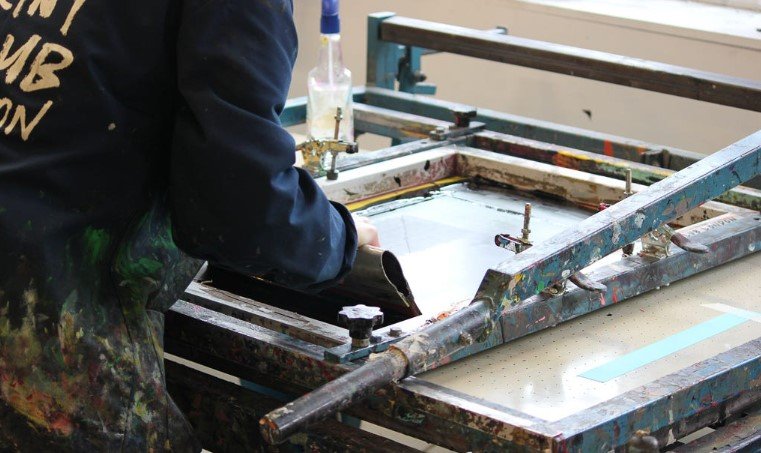
    Before you start your business, it’s important to know the basics of screen printing. Screen printing is a process where ink is transferred onto a surface through a mesh screen. Each design requires its own screen, and it’s essential to understand the techniques involved. Knowing how to start a screen printing business means you must first be familiar with the equipment and the printing process.

    Equipment Needed

    To begin, you’ll need the right tools. The basic equipment includes a screen, a squeegee, a printer, and inks. You will also need a work area with enough space for your tools. Understanding how to use these tools effectively will help you create high-quality prints that your customers will love.

    Learning Techniques

    Learning the right printing techniques will help you deliver the best results. For example, you need to learn how to coat the screen with emulsion, expose the design, and print accurately. Experiment with different designs to master your skills. This knowledge is essential when figuring out how to start a screen printing business that stands out.

    How to Start a Screen Printing Business
    How to Start a Screen Printing Business

    Setting Up Your Screen Printing Shop

    Once you understand the basics, the next step is setting up your shop. A dedicated space will help you work efficiently and maintain an organized business. There are several steps to consider in setting up your business.

    Choose a Location

    Finding the right location is critical for your screen printing business. Ideally, it should be in an area with easy access to customers. It should also have enough space for your equipment and inventory. A good location can make it easier to build a customer base, especially if you plan to offer retail services as well.

    Create a Business Plan

    Creating a solid business plan is crucial for your success. A business plan helps you set goals and plan for the future. It should include details about your products, services, target market, pricing strategy, and expected expenses. Knowing how to start a screen printing business starts with a well-thought-out plan that sets you on the right path.

    Marketing Your Screen Printing Business

    Marketing is a key part of growing your business. Once you have everything set up, it’s time to start attracting customers. Here are some strategies to help you market your screen printing services effectively.

    Build an Online Presence

    Creating a website or social media profiles is essential in today’s world. You can showcase your work, share customer testimonials, and promote special offers. These platforms help you reach a wider audience and show off the quality of your prints. Knowing how to start a screen printing business also includes understanding how to use digital marketing to grow your brand.

    Networking with Clients

    Networking with local businesses, schools, and event organizers can bring in new customers. Offering discounts or collaborations can help get your name out there. By building strong relationships with clients, you can increase repeat business and expand your reach. Word of mouth is a powerful tool when you’re learning how to start a screen printing business.

    Managing Finances and Operations

    Managing the financial side of your business is essential for long-term success. Keeping track of your income and expenses will help you make smart decisions.

    Budgeting for Supplies

    One of the biggest costs in screen printing is the materials you use. Make sure to budget for items like ink, screens, and other equipment. Regularly monitor your expenses to ensure you’re operating efficiently. If you’re wondering how to start a screen printing business successfully, financial planning will be key.

    Tracking Orders and Deliveries

    Having a system for tracking orders and deliveries is also important. This can help you stay organized and deliver products on time. A smooth operation leads to satisfied customers, which is crucial in building a reputation.

    Conclusion

    In conclusion, how to start a screen printing business involves several key steps, from understanding the process to setting up your shop, marketing your services, and managing your finances. With patience, dedication, and practice, you can turn your passion for screen printing into a thriving business. Stay organized, keep learning, and continuously improve your craft. With the right approach, you’ll find success in the screen printing industry.

  • Best Screen Printing Techniques for Beginners

    Best Screen Printing Techniques for Beginners

    Screen printing is a fun and creative way to print designs on different materials, from t-shirts to posters. For beginners, finding the best screen printing techniques can be a challenge. There are many methods, but with a little practice and knowledge, you can create beautiful prints. In this article, we’ll look at some of the easiest and most effective screen printing techniques that are perfect for beginners.

    Choosing the Right Materials for Screen Printing

    To start, you need to gather the right materials for screen printing. Choosing the right materials is one of the first steps in learning the best screen printing techniques. You will need a screen, squeegee, ink, and a stencil or design to print.

    Screen and Mesh Selection

    The screen is the most important part of screen printing. The mesh on the screen holds the ink and helps transfer the design onto your material. For beginners, it’s best to start with a medium mesh count. This will give you good results without too much complexity. The best screen printing techniques will depend on the type of mesh you choose. A lower mesh count works well for bold, solid designs, while a higher count is better for detailed images.

    Ink Selection

    Next, you’ll need to choose the right ink. Water-based inks are great for beginners as they are easy to work with and clean up. They are also environmentally friendly. However, if you’re printing on fabric, you might want to use fabric inks that are more durable. Experimenting with different inks is an important part of discovering the best screen printing techniques for your needs.

    Best Screen Printing Techniques for Beginners
    Best Screen Printing Techniques for Beginners

    Preparing the Screen for Printing

    Once you have all the materials, you’ll need to prepare the screen. Preparing the screen is a crucial part of the best screen printing techniques. Here’s a step-by-step guide:

    Coating the Screen with Emulsion

    Start by coating your screen with emulsion. This emulsion will act as a blocker for areas of the screen where you don’t want ink to pass through. Apply a thin layer of emulsion on both sides of the screen and let it dry completely. Make sure the screen is placed in a dark area, as light will harden the emulsion before you’re ready.

    Exposing the Design

    Once the screen is dry, you can expose the design. Place the design or stencil onto the screen and shine a light over it. The light hardens the emulsion, leaving the design area open for ink. After exposing, rinse the screen with water. The areas that were exposed to light will be hardened and won’t let ink pass through, while the areas under the design will wash away, leaving your stencil behind.

    Printing the Design

    Now that your screen is ready, you can start printing. This is the most exciting part, as it brings your design to life. Learning the best screen printing techniques for this step will make a big difference in the final print.

    Positioning the Screen

    Place your fabric or material flat on a surface where you can easily print. Make sure it’s secured to avoid movement during printing. Position the screen over the material, ensuring it is aligned properly. Alignment is crucial for a sharp print, especially when using detailed designs.

    Using the Squeegee

    With your screen in place, pour ink onto the screen at the top. Then, take your squeegee and gently pull the ink down across the screen, pushing it through the mesh. Be sure to use steady pressure to ensure the ink flows evenly. The best screen printing techniques involve making sure that the ink is spread evenly over the screen, filling the design with color.

    Repeating the Process

    If your design uses multiple colors, you will need to repeat the process for each color. For each new color, clean the screen, apply a new stencil (if necessary), and repeat the inking process. Layering colors is a fun and rewarding part of screen printing, but it requires patience and precision.

    Cleaning Up After Printing

    After you’re done printing, cleaning your equipment is essential. Clean your screen, squeegee, and other tools with water and soap to remove any remaining ink. Proper cleaning is important to maintain your tools and prepare them for the next project.

    Conclusion

    The best screen printing techniques for beginners are all about preparation, patience, and practice. By choosing the right materials, preparing your screen correctly, and carefully printing your design, you’ll be able to create high-quality prints. Start with simple designs and work your way up as you get more comfortable with the process. With time and effort, you’ll discover the best techniques that work for you, allowing you to create beautiful, professional prints. Happy printing!

  • A Beginner’s Guide to Screen Printing Techniques

    A Beginner’s Guide to Screen Printing Techniques

    Screen printing is a popular method for creating vibrant, long-lasting designs on various materials. Whether you want to make custom t-shirts, posters, or other merchandise, screen printing allows you to create unique prints with precision and quality. If you’re new to this process, it can seem intimidating. However, with the right tools and techniques, anyone can start printing like a pro. In this beginner’s guide, we will walk you through the basics of screen printing and how to get started.

    A Beginner’s Guide to Screen Printing Techniques
    A Beginner’s Guide to Screen Printing Techniques

    What is Screen Printing?

    Screen printing, also known as silkscreen printing, involves transferring a design onto a surface using a mesh screen. The screen is coated with a stencil, and ink is pushed through the mesh to create the design. This technique is perfect for printing bold, colorful designs and is commonly used for t-shirts, hoodies, posters, and other items. Unlike digital printing, screen printing can produce high-quality results, even on textured materials like fabric and wood.

    Materials Needed for Screen Printing

    Before you dive into screen printing, it’s important to gather the right materials. The basic tools and supplies you will need include:

    1. Screen Printing Frame: This frame holds the mesh screen in place while you work.
    2. Mesh Screen: A fine mesh material that allows the ink to pass through. The mesh should be tightly stretched and durable.
    3. Emulsion: A photosensitive liquid that helps create the stencil.
    4. Ink: Special screen printing ink is used to transfer the design onto the surface.
    5. Squeegee: A rubber blade used to push ink through the screen.
    6. Printing Surface: This can be t-shirts, paper, or any other material you plan to print on.

    Having these materials ready will make your printing process much smoother.

    Step-by-Step Screen Printing Process

    Once you have the right materials, it’s time to start the printing process. Here’s a simple step-by-step guide to help you get started:

    1. Prepare Your Design

    First, create your design. You can either draw it by hand or use digital design software. If you’re working with a digital design, print it onto a transparent film. This will be used to create the stencil on your screen. Ensure your design has clear, defined lines and is suitable for screen printing.

    2. Coat the Screen with Emulsion

    Next, coat the mesh screen with emulsion using a coating tool. Make sure the emulsion is evenly spread across the screen. After applying the emulsion, let the screen dry in a dark room to avoid exposing it to light before it’s set.

    3. Expose the Design to the Screen

    Place your design (printed on the transparent film) on the screen and expose it to light. The light hardens the emulsion, except where the design blocks it. This creates a stencil of your design on the screen. After exposure, rinse the screen with water to wash away the unexposed emulsion. Let the screen dry.

    4. Print the Design

    Once the stencil is ready, it’s time to print. Position your material (like a t-shirt or paper) under the screen. Pour ink onto one side of the screen, then use the squeegee to pull the ink across the screen, pressing it through the open areas of the stencil. Repeat this process until your design is fully printed.

    5. Dry the Ink

    After printing, allow the ink to dry. Depending on the type of ink used, you may need a heat press or heat gun to speed up the drying process. Once dried, your print is complete and ready for use.

    Conclusion

    Screen printing is a rewarding and creative process that allows you to bring your designs to life. While the process may seem complex at first, it becomes easier with practice. By following the steps outlined in this guide, you’ll be well on your way to producing high-quality prints. As you gain experience, you can experiment with different materials and techniques to create unique designs. Screen printing is a great skill for personal projects or even starting a small business. Happy printing!

  • How Is Nanotechnology Transforming The Field Of Textiles

    How Is Nanotechnology Transforming The Field Of Textiles

    Nanotechnology is revolutionizing the textile industry by enhancing fabric performance, durability, and functionality. Through the integration of nanoscale materials and processes, nanotechnology in textiles is enabling the creation of smarter, more sustainable fabrics that offer advanced features like water resistance, enhanced strength, and even self-cleaning properties. This article explores the various ways nanotechnology is transforming textiles, making them more efficient, durable, and environmentally friendly.

    How Is Nanotechnology Transforming The Field Of Textiles
    How Is Nanotechnology Transforming The Field Of Textiles

    Enhancing Fabric Durability with Nanotechnology

    One of the most significant impacts of nanotechnology in textiles is its ability to enhance fabric durability. Nano-coatings and treatments can significantly improve the strength and longevity of textiles, making them more resistant to wear and tear.

    • Nano-coatings for textiles provide fabrics with superior resistance to stains, dirt, and wear. These coatings create a protective layer on the fabric surface, making it more durable and easier to maintain.
    • Nanofibers for textiles are stronger and lighter than traditional fibers, offering increased strength without sacrificing comfort. These fibers also improve the fabric’s resistance to abrasion, ensuring that clothing and other textile products last longer.

    As a result, nanotechnology in fabric innovation is creating textiles that maintain their appearance and function for longer periods, reducing the need for frequent replacements and helping to extend the lifespan of textile products.

    Smart Textiles Powered by Nanotechnology

    Nanotechnology is also leading to the creation of smart textiles—fabrics that can respond to external stimuli like temperature, moisture, and pressure. By incorporating nanoscale materials, nanotechnology in smart textiles enables the development of garments and fabrics with advanced capabilities.

    • Thermo-regulating textiles can adjust to changes in body temperature, providing warmth when it’s cold and cooling the body when it’s hot. This is particularly beneficial for activewear and outdoor gear.
    • Nano-sensors in textiles can monitor a person’s health, such as heart rate or body temperature, and provide real-time data. These smart fabrics have the potential to revolutionize healthcare by enabling remote monitoring of vital signs.
    • Self-cleaning textiles use nanotechnology to create surfaces that repel dirt and liquids, preventing stains and reducing the need for frequent washing. This technology makes fabric maintenance easier and more sustainable.

    These innovations show how nanotechnology in textile applications is making everyday clothing and fabrics more functional, convenient, and versatile.

    Improving Water and Stain Resistance with Nanotechnology

    One of the most popular applications of nanotechnology in textiles is improving water and stain resistance. Nano-coatings and treatments are used to make fabrics hydrophobic, meaning they repel water and resist stains, keeping them cleaner for longer periods.

    • Waterproof textiles made with nanotechnology are commonly used in outdoor clothing, such as jackets and boots. These fabrics provide better protection against rain and moisture while maintaining breathability.
    • Stain-resistant fabrics are enhanced with nanomaterials that create a surface that repels oil, dirt, and liquids. This is particularly beneficial for upholstery, uniforms, and everyday clothing that is exposed to stains.

    By making textiles more resistant to water and stains, nanotechnology in fabric treatments reduces the need for harsh cleaning chemicals and minimizes the impact on the environment.

    Sustainable Textiles: Nanotechnology and the Environment

    Nanotechnology also holds great promise for promoting sustainability in the textile industry. By improving fabric performance and durability, nanotechnology in sustainable textiles can reduce the need for frequent replacements, leading to less textile waste. Additionally, certain nanomaterials can be used to create fabrics with a lower environmental impact.

    • Eco-friendly nanomaterials are being used to create fabrics that are biodegradable or made from renewable resources. These materials reduce the environmental footprint of textile production and disposal.
    • Nanotechnology in dyeing processes helps minimize water and chemical usage in textile manufacturing. Traditional dyeing methods are water-intensive and harmful to the environment, but nanotechnology in textile dyeing can reduce both water consumption and the use of toxic chemicals, making the process more sustainable.

    By making textiles more durable, easier to clean, and environmentally friendly, nanotechnology in sustainable textiles is helping to reduce waste and improve the overall sustainability of the textile industry.

    Nanotechnology in Textile Design and Innovation

    Nanotechnology is also making its mark in the world of textile design. The ability to manipulate materials at the nanoscale opens up new possibilities for creativity and innovation in fabric development. Designers can experiment with new textures, finishes, and functionalities that were previously impossible with traditional textiles.

    • Advanced textile finishes made possible by nanotechnology offer new ways to design fabrics with enhanced properties, such as UV protection, anti-microbial resistance, and improved comfort.

    These advancements are driving the future of textile innovation, enabling designers to create fabrics that are not only beautiful but also highly functional and practical.

    Conclusion

    Nanotechnology is changing the textile industry by improving fabric durability, creating smart textiles, and promoting sustainability. As nanotechnology in textiles continues to evolve, it will lead to even more breakthroughs that improve the functionality, performance, and environmental impact of textiles.

  • Best Uses of Nantechnology in Electronics

    Best Uses of Nantechnology in Electronics

    Nanotechnology has become a game-changer in the electronics industry. With the ability to manipulate materials at a microscopic scale, nanotechnology is helping create faster, smaller, and more efficient devices. The best uses of nanotechnology in electronics have transformed everything from smartphones to computers and beyond. In this post, we will explore the key applications of nanotechnology and how it is shaping the future of electronics.

    Best Uses of Nanotechnology in Electronics
    Best Uses of Nanotechnology in Electronics

    Smaller and More Powerful Devices

    One of the most exciting best uses of nanotechnology in electronics is its role in making devices smaller and more powerful. With nanomaterials, manufacturers can create components that are much smaller than traditional materials. These tiny components improve performance, efficiency, and the overall design of electronic devices.

    Shrinking the Size of Components

    Nanotechnology allows for the development of smaller and lighter components. As a result, we can now enjoy more compact electronics without sacrificing power. For instance, the processing chips inside computers and smartphones are getting smaller, yet they are becoming more powerful. This is one of the top best uses of nanotechnology in electronics, as it enables us to have more advanced devices that fit in our pockets.

    Improving Device Performance

    By using nanomaterials, electronic components are becoming faster and more energy-efficient. This means devices can run more smoothly, with better battery life. As a result, consumers enjoy more reliable and efficient electronics, such as smartphones that last longer between charges. These improvements are due to the unique properties of materials at the nanoscale, which offer better conductivity and reduced resistance.

    Flexible Electronics

    Another exciting best use of nanotechnology in electronics is the development of flexible electronics. Thanks to nanomaterials, engineers can now create electronic components that are bendable, stretchable, and even foldable. This opens up a whole new world of possibilities for electronics.

    Wearable Technology

    Flexible electronics have led to innovations in wearable technology. With the help of nanotechnology, we can now have smartwatches, fitness trackers, and health monitors that are more comfortable to wear and provide better functionality. These devices can bend and stretch without losing their performance. This is one of the best uses of nanotechnology in electronics, especially for users who demand more flexibility from their devices.

    Flexible Displays

    Nanotechnology is also making it possible to create flexible and foldable displays. This has resulted in the development of foldable smartphones, tablets, and even televisions. These devices allow users to enjoy large screens that can be easily folded for portability. Flexible displays are transforming how we interact with technology, and nanotechnology is at the heart of this revolution.

    Nano-Coatings for Durability

    Another one of the best uses of nanotechnology in electronics is the development of nano-coatings. These coatings improve the durability of electronic devices by making them resistant to wear and tear, water, and even scratches.

    Water and Dust Resistance

    With nanotechnology, electronic devices can be made resistant to water and dust. Nano-coatings form a protective layer on the device, preventing water or dust from damaging the internal components. This is especially useful for devices like smartphones, which are often exposed to the elements. The best uses of nanotechnology in electronics ensure that our gadgets are not only more durable but also longer-lasting.

    Scratch-Resistant Screens

    Thanks to nanotechnology, smartphones, tablets, and other electronics now come with screens that are more resistant to scratches. The nano-coatings applied to the screens make them more durable and capable of withstanding everyday wear and tear. This is one of the most practical and popular best uses of nanotechnology in electronics.

    Improved Battery Technology

    Nanotechnology is also playing a key role in improving battery technology, which is crucial for the performance of all portable electronics. Through the use of nanomaterials, scientists are developing batteries that can store more energy, charge faster, and last longer.

    Faster Charging and Longer Battery Life

    With nanotechnology, batteries are becoming more efficient. Nanomaterials allow batteries to charge faster and hold more power. This leads to longer battery life, which is especially important for devices like smartphones, laptops, and electric cars. The development of better batteries is one of the most impactful best uses of nanotechnology in electronics.

    More Compact Batteries

    In addition to improving performance, nanotechnology is also making batteries smaller and more compact. This allows manufacturers to create thinner and lighter devices without sacrificing power. Smaller batteries also make it easier to incorporate other advanced features into devices, such as larger screens or enhanced processing capabilities.

    Conclusion

    The best uses of nanotechnology in electronics are revolutionizing the way we use technology. From smaller and more powerful devices to flexible electronics and improved battery life, nanotechnology is driving innovation in the electronics industry. As nanotechnology continues to evolve, we can expect even more exciting advancements in the years to come. With all these improvements, it’s clear that nanotechnology is not just a passing trend but a key factor in shaping the future of electronics.

  • What Role Does Nanotechnology Play In Food Safety

    What Role Does Nanotechnology Play In Food Safety

    Nanotechnology is playing an increasingly important role in enhancing food safety. From detecting contaminants to improving food packaging, this cutting-edge technology is revolutionizing how food is handled and preserved. By applying nanotechnology in food safety, we can ensure that food remains fresh, safe, and free from harmful substances throughout its journey from farm to table.

    What Role Does Nanotechnology Play In Food Safety
    What Role Does Nanotechnology Play In Food Safety

    Detecting Contaminants in Food with Nanotechnology

    One of the most significant applications of nanotechnology for food safety is its ability to detect contaminants. Traditional methods of detecting pathogens, pesticides, or toxins in food can be time-consuming and sometimes inaccurate. However, with the help of nano-sensors for food safety, contaminants can be detected more efficiently and accurately.

    • Pathogen Detection: Nanotechnology in pathogen detection uses sensors that can identify harmful bacteria, viruses, and other microorganisms in food. This allows for quicker response times, reducing the risk of foodborne illnesses.
    • Pesticide Residue Detection: Nano-based sensors for pesticide detection can identify minute traces of harmful chemicals on food, ensuring that produce meets safety standards before it reaches consumers.

    These advancements in detection help protect consumers and ensure that food is safe to eat.

    Enhancing Food Preservation with Nanotechnology

    Nanotechnology in food preservation is another game-changing application. By improving the shelf life of food, nanotechnology helps reduce food waste and ensures that consumers enjoy fresher products. Nanomaterials, such as nano-coatings for food, can provide a protective barrier that extends the freshness of food products.

    • Antimicrobial Coatings: Nano-antimicrobial coatings for food help protect against harmful bacteria and mold growth on food products, such as fruits, vegetables, and meat. This allows food to stay fresh longer without the need for harmful preservatives.
    • Packaging Materials: Nanotechnology in food packaging improves the ability of packaging to preserve food. Nano-enabled packaging materials can prevent oxygen, moisture, and other elements from degrading food, keeping it fresher for longer.

    By preventing spoilage and reducing waste, nanotechnology helps maintain the quality of food for an extended period.

    Improving Food Quality with Nanotechnology

    Nanotechnology is also used to improve the overall quality of food. For instance, nanotechnology in food additives can enhance the texture, taste, and nutritional content of food products. This helps improve the eating experience and ensures that food remains both delicious and nutritious.

    • Nutrient Delivery: Nanoencapsulation for nutrient delivery allows nutrients like vitamins, minerals, and antioxidants to be better absorbed by the body. This ensures that food provides maximum nutritional benefits.
    • Enhanced Flavor and Texture: Nanotechnology in food texture enables better control over the consistency and texture of food, creating smoother and more appealing products.

    These improvements contribute to a more enjoyable and healthier food experience for consumers.

    Nanotechnology in Food Packaging for Safety and Sustainability

    Food packaging is another area where nanotechnology in packaging is making significant strides. Nanomaterials enhance packaging properties, providing both safety and sustainability benefits.

    • Smart Packaging: Smart packaging using nanotechnology includes labels and tags that can monitor the freshness of food and detect any changes in its environment. For example, nano-sensors in packaging can alert consumers if food has spoiled or is contaminated, reducing the risk of consuming unsafe products.
    • Sustainable Packaging: Nanotechnology for biodegradable packaging helps reduce the environmental impact of packaging materials. Nanomaterials can make packaging more durable and lighter, while also being more eco-friendly than traditional plastic.

    These advancements in food packaging improve both food safety and environmental sustainability.

    Overcoming Challenges with Nanotechnology in Food Safety

    Despite its many advantages, there are challenges that need to be addressed for nanotechnology in food safety to reach its full potential. One of the key challenges is ensuring the safety of nano-materials in food. As nanotechnology advances, researchers must carefully evaluate the potential risks associated with the use of nanoparticles in food products and packaging.

    • Regulation and Safety Concerns: Regulating nanotechnology in food safety is essential to ensure that it is safe for consumers. Governments and food safety organizations are working to establish clear guidelines for the use of nanotechnology in food.
    • Consumer Acceptance: Another challenge is gaining consumer trust. Some consumers may be hesitant about the use of nanotechnology in food, so educating the public about its safety and benefits is crucial.

    By addressing these challenges, nanotechnology can continue to improve food safety without compromising public health.

    Conclusion

    Nanotechnology has the potential to revolutionize food safety by providing more efficient ways to detect contaminants, preserve food, and improve food quality. From nano-sensors in food safety to nano-enhanced food packaging, the possibilities are vast. As research progresses, nanotechnology will play an even greater role in ensuring the safety, quality, and sustainability of the food we consume.

  • Top NanoTechnology Trends to Watch

    Top NanoTechnology Trends to Watch

    Nanotechnology is changing the world in remarkable ways. It is impacting everything from medicine to electronics, offering new solutions to old challenges. If you want to stay ahead of the curve, you need to know the top NanoTechnology trends to watch. These trends are shaping the future and providing exciting opportunities across industries.

    The Rise of Nano-Medicine

    One of the most significant NanoTechnology trends to watch is in the field of medicine. NanoMedicine is a growing area that focuses on using tiny particles to treat diseases and improve healthcare. Scientists are developing new ways to deliver drugs directly to specific areas in the body, which leads to more effective treatments with fewer side effects.

    Targeted Drug Delivery

    One of the most exciting aspects of NanoMedicine is targeted drug delivery. With nano-sized particles, doctors can deliver medication directly to affected areas in the body, such as tumours. This increases the effectiveness of the drugs while minimizing damage to healthy tissue. Nanotechnology allows for treatments that were previously impossible, changing how we approach diseases like cancer.

    Nanorobots for Surgery

    Another top NanoTechnology trend to watch is the development of nanorobots for surgery. These tiny robots can be designed to enter the human body and perform tasks like repairing cells or removing harmful substances. This could reduce the need for traditional invasive surgeries, speeding up recovery times and minimizing risks.

    Top NanoTechnology Trends to Watch
    Top NanoTechnology Trends to Watch

    Nanotechnology and Renewable Energy

    Another exciting area for NanoTechnology trends to watch is renewable energy. As the world focuses on reducing its dependence on fossil fuels, nano-based technologies are helping make renewable energy sources more efficient and affordable.

    Improving Solar Power Efficiency

    NanoTechnology trends to watch in the energy sector include the improvement of solar panels. Nanomaterials are being used to create solar panels that are more efficient at capturing sunlight, even in less-than-ideal conditions. This could make solar power a more viable and cost-effective energy source for homes and businesses worldwide.

    Nano-Based Energy Storage

    Another promising development is in energy storage. Nanotechnology is being used to create better batteries and energy storage systems. These systems can store more energy and last longer than traditional options, making them ideal for renewable energy systems like wind and solar. With better storage, renewable energy becomes more reliable and easier to use.

    Nanotechnology in Electronics

    NanoTechnology trends to watch in the electronics industry are rapidly transforming how we use technology. By shrinking components to the nano level, we can create faster, smaller, and more efficient devices. This trend is expected to continue as the demand for portable electronics grows.

    Smaller and More Powerful Devices

    With nano-based components, devices like smartphones, laptops, and wearables are getting smaller and more powerful. This allows for faster processing, better performance, and longer battery life. The trend toward miniaturization will continue to drive innovation in consumer electronics, leading to the next generation of smart devices.

    Flexible Electronics

    Flexible electronics are another exciting NanoTechnology trend to watch. Thanks to nanomaterials, scientists are creating electronic components that can bend and stretch. This could lead to the development of wearable electronics, foldable smartphones, and other devices that adapt to our daily needs. These innovations open up a world of possibilities for the future of electronics.

    Nanotechnology in Environmental Protection

    Environmental protection is another area where NanoTechnology trends to watch are making an impact. With nano-based materials, we are finding new ways to clean up pollution, conserve water, and reduce waste. These technologies offer more sustainable solutions to global environmental challenges.

    Water Purification

    One of the most promising environmental applications of NanoTechnology is in water purification. Nano filters can remove harmful contaminants from water, making it cleaner and safer to drink. These filters are more efficient and cost-effective than traditional methods, which could provide clean water to areas in need.

    Air and Soil Pollution Control

    NanoTechnology trends to watch also include the development of technologies to control air and soil pollution. Nano particles can be used to break down harmful pollutants in the environment, helping to reduce the effects of pollution on both human health and wildlife. These advancements offer hope for creating cleaner, healthier ecosystems.

    Conclusion

    The top NanoTechnology trends to watch are transforming multiple industries, including healthcare, energy, electronics, and environmental protection. As NanoTechnology continues to evolve, its potential to improve our lives grows. By staying informed about these trends, you can be part of the exciting future that NanoTechnology is shaping. Whether it’s in medicine, energy, or everyday products, the power of NanoTechnology will only continue to expand, offering new opportunities for innovation and progress.

  • How Can Nanotechnology Improve Water Purification Processes

    How Can Nanotechnology Improve Water Purification Processes

    Access to clean water is essential for life, but many regions face water pollution challenges. Nanotechnology offers innovative solutions, improving water purification systems and ensuring safe drinking water. By using advanced materials and techniques, nanotechnology removes contaminants more efficiently than traditional methods.

    How Can Nanotechnology Improve Water Purification Processes
    How Can Nanotechnology Improve Water Purification Processes

    Nanoparticles for Removing Harmful Contaminants

    Nanoparticles play a vital role in water purification by effectively removing pollutants. Their small size and large surface area allow them to trap harmful substances such as heavy metals, pesticides, and pathogens.

    • Heavy Metals: Nanoparticles like titanium dioxide and carbon nanotubes capture toxic metals like lead and mercury, preventing them from entering drinking water.
    • Pathogen Removal: Silver nanoparticles destroy bacteria and viruses, ensuring safer water for communities.

    This targeted approach reduces contamination levels and provides cleaner water.

    Advanced Filtration Systems Using Nanotechnology

    Nanotechnology enhances filtration systems, making them more effective and long-lasting. Nanofilters, which consist of membranes embedded with nanoparticles, block even the tiniest pollutants.

    • Reverse Osmosis: Nanotechnology improves reverse osmosis membranes, increasing efficiency and reducing energy consumption.
    • Desalination: Nano-engineered membranes remove salt from seawater, making it drinkable for regions with limited freshwater supplies.

    These advanced filtration systems address water scarcity and pollution challenges.

    How Nanotechnology Improves Water Treatment Efficiency

    Traditional water purification methods can be slow and resource-intensive. Nanotechnology streamlines these processes by enabling faster and more effective treatment.

    • Catalysts for Faster Reactions: Nano-catalysts speed up chemical reactions that break down pollutants.
    • Energy Efficiency: Nano-based systems use less energy, making water purification more sustainable.

    This increased efficiency ensures access to clean water while minimizing environmental impact.

    Addressing Emerging Contaminants with Nanotechnology

    Emerging contaminants, such as pharmaceuticals and microplastics, pose significant threats to water quality. Nanotechnology effectively targets these pollutants, which traditional methods often miss.

    • Pharmaceuticals: Nanoparticles remove drug residues from water, preventing environmental harm.
    • Microplastics: Advanced nanofilters trap tiny plastic particles, ensuring cleaner water supplies.

    By addressing these contaminants, nanotechnology protects ecosystems and human health.

    How Nanotechnology Supports Portable Water Purification

    Nanotechnology has made portable water purification devices more efficient and accessible. These compact systems benefit travelers, disaster relief efforts, and remote communities.

    • Emergency Situations: Nano-based purifiers provide immediate access to safe water during natural disasters.
    • Rural Areas: Portable systems powered by nanotechnology improve water quality in underserved regions.

    These innovations offer reliable solutions for clean water on the go.

    Overcoming Challenges in Nano-Based Water Purification

    While nanotechnology shows great promise, challenges remain. Producing nanoparticles can be expensive, and ensuring their safe disposal is crucial to avoid environmental harm.

    Additionally, scaling nano-based solutions for widespread use requires further research and investment. Despite these hurdles, ongoing advancements are making nanotechnology more accessible and sustainable.

    Conclusion

    Nanotechnology revolutionizes water purification by efficiently removing contaminants, enhancing filtration, and addressing emerging pollutants. It offers sustainable and portable solutions, providing clean water to communities worldwide. With continued innovation, nanotechnology holds the potential to solve global water crises and ensure a healthier future for all.