Category: Technology

  • Best Technology Podcasts to Follow

    Best Technology Podcasts to Follow

    In today’s fast-paced world, keeping up with the latest technology trends can be overwhelming. However, technology podcasts to follow are an excellent way to stay informed while on the go. Listening to podcasts allows you to absorb valuable insights, news, and expert opinions in a fun and engaging way. Whether you’re a tech enthusiast, a professional, or someone just starting to explore the world of technology, there’s a podcast for everyone. In this article, we’ll share some of the best technology podcasts to follow. Which can help you stay ahead of the curve in the tech world.

    1. Reply All

    Reply All is one of the most popular technology podcasts to follow for anyone interested in the intersection of technology and human stories. Hosted by PJ Vogt and Alex Goldman, this podcast covers everything from internet culture to cybercrime.  It’s a great mix of humor and information, making complex topics easy to understand.

    Technology Podcasts to Follow
    Technology Podcasts to Follow

    2. The Vergecast

    For anyone looking to get a comprehensive overview of the latest technology news, The Vergecast is a must-listen. Hosted by Nilay Patel, Paul Miller, and Paul Kafasis, the show covers everything from gadgets and software to the biggest news in tech, including interviews with industry leaders. Each episode provides a detailed analysis of the most important tech developments and how they could impact the future.

    3. TED Technology

    TED Talks have been a popular source of inspiration for many, and the TED Technology podcast brings some of the best technology-related talks directly to your ears. This podcast features thought leaders in the tech industry, including innovators, entrepreneurs, and visionaries who are shaping the future of technology. The episodes cover a wide range of topics, such as artificial intelligence, virtual reality, and the ethics of tech. Hence, making it one of the best technology podcasts to follow for those interested in the future of innovation.

    4. Clockwise

    If you’re short on time but still want to stay informed about the latest tech news, Clockwise is the podcast for you. Hosted by Mikah Sargent and Dan Moren, this 30-minute podcast offers quick and insightful discussions about the most important topics in tech. Each episode features four guests who weigh in on topics ranging from gadgets to tech policy. Clockwise is perfect for busy listeners who want a concise summary of the most important tech stories of the week.

    5. Accidental Tech Podcast

    For those interested in a more detailed discussion of Apple products, software, and the tech industry, the Accidental Tech Podcast is a fantastic choice.

    6. TWiT: This Week in Tech

    TWiT: This Week in Tech, hosted by Leo Laporte, is one of the longest-running and most influential tech podcasts. Every week, Leo and his expert guests discuss the most pressing tech news. From new gadgets and software to discussions on tech ethics, security, and privacy. The podcast features a range of different shows, including Security Now and Windows Weekly. Therefore, allowing listeners to dive into specific areas of interest within the tech world.

    7. Techmeme Ride Home

    If you want to catch up on the latest tech news in a short, digestible format, Techmeme Ride Home is one of the best technology podcasts to follow. Hosted by Brian McCullough, this podcast summarizes the most important tech stories of the day in just 15-20 minutes. s ideal for listeners who want to stay updated on tech news without investing a lot of time, and the episodes are published every weekday.

    8. The Daily Tech News Show

    Another great daily option for tech enthusiasts is The Daily Tech News Show. Tom and his guests analyze the biggest stories in tech, and each episode features interviews with industry experts.

    9. StartUp Podcast

    For those interested in tech entrepreneurship and the business side of technology, the StartUp Podcast is a must-listen. Hosted by Alex Blumberg and Lisa Chow, the show covers the journeys of tech founders as they navigate the challenges of launching and growing a startup. It provides a behind-the-scenes look at the highs and lows of building a tech company. Hence, making it an essential podcast for aspiring entrepreneurs.

    Conclusion

    There’s no shortage of technology podcasts to follow, and with so many excellent options available, it’s easy to find one that fits your interests. Whether you’re into tech news, gadget reviews, or the latest trends in artificial intelligence, these podcasts provide valuable insights and discussions that can help you stay informed in today’s rapidly changing tech landscape.

  • Technology in Autonomous Vehicles: Current Progress

    Technology in Autonomous Vehicles: Current Progress

    Autonomous vehicles (AVs) are changing the future of transportation. These vehicles use technology to navigate and operate without human intervention. From self-driving cars to autonomous trucks, AV technology is evolving quickly. In this post, we’ll explore the current progress in autonomous vehicle technology.

    Technology in Autonomous Vehicles: Current Progress
    Technology in Autonomous Vehicles: Current Progress

    Advancements in Sensor Technology

    Sensors are crucial for autonomous vehicles. They help AVs “see” the world around them. LIDAR, radar, and cameras are used to detect obstacles, road signs, and pedestrians. These sensors provide real-time data that allows AVs to make decisions. As sensor technology improves, autonomous vehicles are becoming more accurate and reliable.

    Machine Learning and AI

    Machine learning and artificial intelligence (AI) are at the heart of autonomous vehicles. AI helps vehicles process data from sensors and make decisions. This includes identifying objects, navigating streets, and reacting to unexpected events. As AI algorithms continue to learn and improve, AVs become smarter and safer. This technology enables AVs to adapt to new environments and complex situations.

    Mapping and Navigation Systems

    Accurate mapping and navigation are essential for autonomous vehicles. High-definition maps provide detailed information about roads, lanes, and traffic conditions. AVs use these maps to plan routes and make driving decisions. GPS systems also help with precise positioning. With ongoing improvements in mapping technology, AVs can navigate more efficiently and safely.

    Safety Features and Regulations

    Safety is a top priority for autonomous vehicles. AVs are equipped with advanced safety features like emergency braking, collision avoidance, and lane-keeping assistance. These features help prevent accidents and ensure smoother driving. In addition, regulatory bodies are developing rules to ensure AVs meet safety standards. As laws and safety protocols evolve, autonomous vehicles will continue to improve their safety record.

    Testing and Deployment

    Autonomous vehicle testing is advancing rapidly. Companies like Tesla, Waymo, and Uber are leading the way in developing and testing AVs. These vehicles are tested in various conditions, including cities, highways, and rural areas. Real-world testing helps identify potential issues and refine the technology. While full-scale deployment is still in the works, AVs are already operating in limited areas, showing promising results.

    Conclusion

    The technology behind autonomous vehicles is advancing quickly. Sensors, AI, mapping systems, and safety features are improving, making AVs more reliable and safer. While challenges remain, the current progress is promising. In the future, autonomous vehicles may become a common sight on our roads, transforming the way we travel.

  • Augmented Reality: Transforming User Experiences

    Augmented Reality: Transforming User Experiences

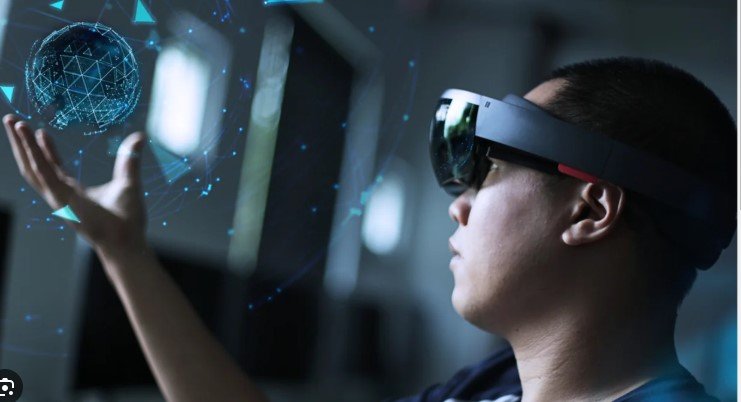
    Augmented Reality (AR) is changing how we interact with the world. It blends digital elements with the real world, creating immersive experiences. From gaming to education, AR is transforming industries by offering more engaging and interactive ways to engage users. In this post, we’ll explore how AR is reshaping user experiences across various sectors.

    Augmented Reality: Transforming User Experiences
    Augmented Reality: Transforming User Experiences

    Enhancing Entertainment and Gaming

    AR is revolutionizing the entertainment industry, especially in gaming. Games like Pokémon GO brought AR to the masses, allowing users to interact with virtual characters in real-world environments. This blend of digital and physical worlds creates a new level of immersion. Players can explore their surroundings while enjoying an interactive game. As AR technology advances, more immersive experiences in gaming are on the horizon, making entertainment more interactive and fun.

    Transforming Retail and E-commerce

    AR is also transforming the retail industry. Online shopping has become more interactive with AR features. Customers can now virtually try on clothes, accessories, or even visualize how furniture looks in their homes. This enhances the shopping experience by allowing consumers to make better-informed decisions. Retailers are using AR to bridge the gap between online and in-store experiences, offering a more personalized and engaging shopping journey.

    Revolutionizing Education and Training

    In education, AR is changing how students learn and interact with information. It makes complex subjects more accessible by providing interactive and visual learning tools. For example, AR can bring historical events or scientific concepts to life through immersive simulations. In training scenarios, AR helps professionals practice skills in a safe, virtual environment before applying them in real life. This hands-on approach enhances learning and improves retention.

    Improving Healthcare Services

    AR is making significant strides in healthcare. Surgeons use AR to overlay vital information during procedures, improving precision and reducing risks. Medical students can also use AR to visualize anatomy in 3D, offering a deeper understanding of the human body. AR also helps in therapy, where patients use virtual elements to aid in rehabilitation. The ability to view critical data in real time enhances both patient care and medical education.

    Enabling Smart Navigation and Assistance

    AR is enhancing navigation systems, especially in urban areas. With AR, users can view real-time directions overlaid on their surroundings, making navigation simpler and more intuitive. This technology is also being used in vehicles, where AR displays important driving information on the windshield. From heads-up displays to real-time traffic updates, AR is improving navigation and assisting drivers in making safer decisions.

    Conclusion

    Augmented Reality is reshaping how we experience the world. It is transforming industries like gaming, retail, education, healthcare, and navigation. AR enhances user experiences by providing more interactive, immersive, and informative environments. As this technology continues to evolve, its applications will only grow, offering more opportunities for businesses and consumers alike to explore new ways of interacting with digital content.

  • Tips for Protecting Privacy in the Digital Age

    Tips for Protecting Privacy in the Digital Age

    In today’s digital world, protecting privacy in the digital age has become more important than ever. Our personal data is constantly being shared online, from social media platforms to e-commerce sites. With hackers and cybercriminals becoming increasingly sophisticated, it’s essential to take steps to secure our information. In this article, we’ll provide practical tips for protecting your privacy online and safeguarding your personal details.

    1. Use Strong and Unique Passwords

    One of the easiest yet most important ways to protect privacy in the digital age is by using strong and unique passwords for every account. Avoid using obvious passwords like “123456” or “password” and instead create a mix of uppercase and lowercase letters, numbers, and special characters. Password managers can also help you keep track of your passwords securely.

    Protecting Privacy in the Digital Age
    Protecting Privacy in the Digital Age

    2. Enable Two-Factor Authentication (2FA)

    Two-factor authentication is a powerful tool for securing your accounts. By enabling 2FA, you add an extra layer of protection to your logins. This usually involves receiving a code on your phone or email, which you must enter alongside your password. Protecting privacy in the digital age becomes easier when you take this step, as it makes it much harder for hackers to access your accounts, even if they have your password.

    3. Be Careful with Public Wi-Fi

    While public Wi-Fi networks are convenient, they also present risks for protecting privacy in the digital age. Cybercriminals can easily intercept data on unsecured networks. Avoid accessing sensitive information, such as online banking or shopping, while using public Wi-Fi. If necessary, use a Virtual Private Network (VPN) to encrypt your internet connection and keep your activities private.

    4. Limit What You Share on Social Media

    Social media platforms are a goldmine for personal information, and sharing too much can expose you to risks. Consider protecting privacy in the digital age by limiting the details you share online. For example, avoid sharing your exact location or personal contact information. Additionally, review your privacy settings on social media sites to control who can see your posts and information.

    5. Keep Software and Devices Updated

    Regular updates for your devices and software are vital in protecting your privacy. Developers frequently release security patches to address vulnerabilities, so always install updates as soon as they become available. This practice helps keep your system secure and reduces the risk of unauthorized access, ensuring better privacy protection in the digital age.

    6. Use Secure Websites

    When shopping or entering personal information online, always check for a secure website. Secure websites use “HTTPS” in their web address and often show a lock symbol next to the URL. By using secure sites, you can ensure that your data is encrypted and less likely to be intercepted. Protecting privacy in the digital age starts with being cautious about where you input sensitive data.

    7. Be Wary of Phishing Scams

    Phishing scams are one of the most common methods for stealing personal information. Hackers often disguise themselves as trusted entities, such as banks or tech companies, to trick you into revealing your passwords or credit card details. Always verify the source of an email or message before clicking on any links or providing sensitive information. This is another important step in protecting privacy in the digital age.

    8. Use Encryption Tools

    Encryption tools can help safeguard your data by making it unreadable to unauthorized users. For instance, when sending sensitive emails or files, consider using encryption to protect the content. Many messaging apps also offer end-to-end encryption, ensuring that only the intended recipient can read the messages. This is a key way of protecting privacy in the digital age and securing your online communications.

    9. Regularly Review App Permissions

    Many apps collect more data than they actually need, so it’s important to review their permissions regularly. Protecting privacy in the digital age means being mindful of the apps you use and what access they have. For example, some apps might ask for access to your location, camera, or microphone, even when it’s not necessary. Go into your device’s settings and disable permissions that aren’t needed.

    10. Protect Your Data Offline

    While online protection is crucial, protecting privacy in the digital age also extends to offline safety. For example, when disposing of old electronics, ensure that all data is wiped from devices like phones, computers, and tablets. Shredding sensitive documents before throwing them away is another important practice. Physical security plays a vital role in protecting your privacy.

    Conclusion

    In conclusion, protecting privacy in the digital age requires vigilance and proactive measures. By using strong passwords, enabling two-factor authentication, and being mindful of what you share online, you can greatly reduce the risk of having your personal information stolen. Additionally, regularly updating your software and using encryption tools further enhances your privacy protection. As we continue to live more of our lives online, taking these simple steps will help ensure that our personal data remains secure.

  • Cybersecurity Challenges in the Digital Age

    Cybersecurity Challenges in the Digital Age

    Cybersecurity is a growing concern in today’s digital age. As more people rely on the internet, the risks of cyberattacks increase. From personal data breaches to large-scale hacks, threats are constantly evolving. In this post, we will explore the key cybersecurity challenges businesses and individuals face in the digital world.

    Cybersecurity Challenges in the Digital Age
    Cybersecurity Challenges in the Digital Age

    Increasing Frequency of Cyberattacks

    Cyberattacks are becoming more frequent and sophisticated. Hackers use advanced methods to breach systems and steal sensitive data. Phishing attacks, malware, and ransomware are just a few examples of these tactics. Businesses and individuals must stay alert as cybercriminals constantly find new ways to exploit vulnerabilities. The rise in cyberattacks has made cybersecurity a top priority.

    Protecting Personal Data

    As we share more personal information online, protecting our data is more important than ever. Cybercriminals target personal details like Social Security numbers, bank accounts, and credit card information. Data breaches can lead to identity theft, financial losses, and a loss of trust. It is crucial to use strong passwords, two-factor authentication, and encrypted networks to protect sensitive information from being stolen.

    As digital threats evolve, organizations must remain vigilant against sophisticated attack vectors. The rise of mobile entertainment platforms introduces new cybersecurity considerations for users.

    Many consumers now access services like Jackpot Town casino games through personal devices, creating additional entry points for potential breaches.

    Implementing robust encryption and multi-factor authentication remains critical across all digital interactions.

    Security teams should continuously monitor emerging trends to anticipate where vulnerabilities might appear next.

    Securing the Internet of Things (IoT)

    The growth of the Internet of Things (IoT) has introduced new cybersecurity risks. Devices like smart home systems, wearables, and connected cars can be vulnerable to attacks. These devices collect and transmit data, making them attractive targets for hackers. As the number of IoT devices increases, securing these networks becomes even more challenging. It is essential to ensure that all connected devices are protected with strong security measures.

    Insider Threats and Human Error

    Cybersecurity threats don’t always come from external hackers. Insider threats, whether intentional or accidental, can also cause significant damage. Employees may accidentally leak sensitive information or fall for phishing schemes. Businesses must invest in employee training and implement strict access controls to minimize the risk of human error. A lack of awareness can make systems more vulnerable to attacks.

    Keeping Up with Rapid Technological Advancements

    Technology is evolving at a rapid pace, and so are cyber threats. As new technologies emerge, such as artificial intelligence and blockchain, hackers find new ways to exploit them. Businesses must constantly adapt to stay ahead of these evolving threats. Cybersecurity professionals need to stay up-to-date with the latest security tools and trends. Without continuous learning and improvement, systems remain vulnerable to attack.

    Conclusion

    Cybersecurity challenges are growing in the digital age. The rise in cyberattacks, the need to protect personal data, and the vulnerabilities in connected devices all demand attention. Businesses and individuals must take steps to secure their systems and data. As technology advances, so too must our cybersecurity practices. Staying vigilant and proactive is key to keeping digital systems safe in an increasingly connected world.

  • The Rise of Wearable Technology for Health Monitoring

    The Rise of Wearable Technology for Health Monitoring

    Wearable technology is changing how we monitor our health. Devices like fitness trackers and smartwatches are becoming increasingly popular. These devices track vital health data and help users stay on top of their well-being. In this post, we’ll explore how wearable technology is revolutionizing health monitoring and its growing impact.

    The Rise of Wearable Technology for Health Monitoring
    The Rise of Wearable Technology for Health Monitoring

    Tracking Vital Health Metrics

    Wearable devices can track a wide range of health metrics. Fitness trackers monitor steps, heart rate, calories burned, and sleep patterns. Smartwatches can go even further by measuring blood oxygen levels and electrocardiograms (ECGs). This constant stream of data allows users to stay informed about their health status in real time. With these devices, people can identify potential health issues early, leading to better prevention and care.

    Remote Monitoring for Chronic Conditions

    Wearable technology is also playing a key role in managing chronic conditions. Devices can now monitor conditions like diabetes, hypertension, and asthma. For example, wearable glucose monitors track blood sugar levels throughout the day. This allows people with diabetes to manage their condition without constantly visiting a doctor. Remote monitoring can also help doctors provide better care by receiving real-time data from their patients. This is especially beneficial for elderly patients or those in remote areas.

    Encouraging Healthy Lifestyles

    Wearables are encouraging healthier lifestyles. Many devices provide personalized fitness goals, reminders to move, and even guided workouts. By tracking progress, users stay motivated to achieve their health objectives. These devices also help users develop healthier habits, like regular exercise, improved sleep, and better nutrition. Wearable technology is making it easier for people to take charge of their health and wellness.

    Early Detection of Health Issues

    Wearable technology has the potential to detect health issues early. For example, smartwatches can detect irregular heartbeats, alerting users to the possibility of heart conditions. Some devices can even monitor for symptoms of sleep apnea, anxiety, or stress. Early detection of these conditions allows users to seek medical attention sooner. In many cases, this leads to better outcomes and can even save lives.

    The Future of Wearable Health Technology

    The future of wearable health technology is exciting. As sensors improve, these devices will become even more accurate and versatile. They will track a wider range of health metrics, from hydration levels to mental health indicators. Artificial intelligence will play a major role in processing the data and providing actionable insights. In the coming years, wearable technology will likely become an even more integrated part of healthcare, making it easier to manage health and wellness.

    Conclusion

    Wearable technology is transforming health monitoring. From tracking vital health metrics to encouraging healthier lifestyles, these devices offer real-time insights that can improve well-being. They are revolutionizing the management of chronic conditions and enabling early detection of potential health problems. As technology advances, wearable devices will continue to evolve, shaping the future of health care and personal wellness.

  • Ways Technology Supports Disaster Response Efforts

    Ways Technology Supports Disaster Response Efforts

    When disasters strike, whether natural or man-made, the speed and effectiveness of the response can make all the difference. Ways technology supports disaster response efforts have been a game changer in saving lives and minimizing the impact of these events. From advanced communication systems to real-time data sharing, technology has proven itself as an essential tool for responders and relief organizations. In this article, we’ll explore the many ways technology is transforming disaster response efforts.

    1. Real-Time Communication

    One of the most crucial ways technology supports disaster response efforts is through real-time communication. During a disaster, it is essential for responders to communicate quickly and efficiently. Satellite phones, two-way radios, and other advanced communication systems allow teams to stay in contact, even in areas where traditional networks may be down. These tools help coordinate efforts across different agencies, ensuring a quicker and more organized response.

    Ways Technology Supports Disaster Response Efforts
    Ways Technology Supports Disaster Response Efforts

    2. Drones for Aerial Surveys

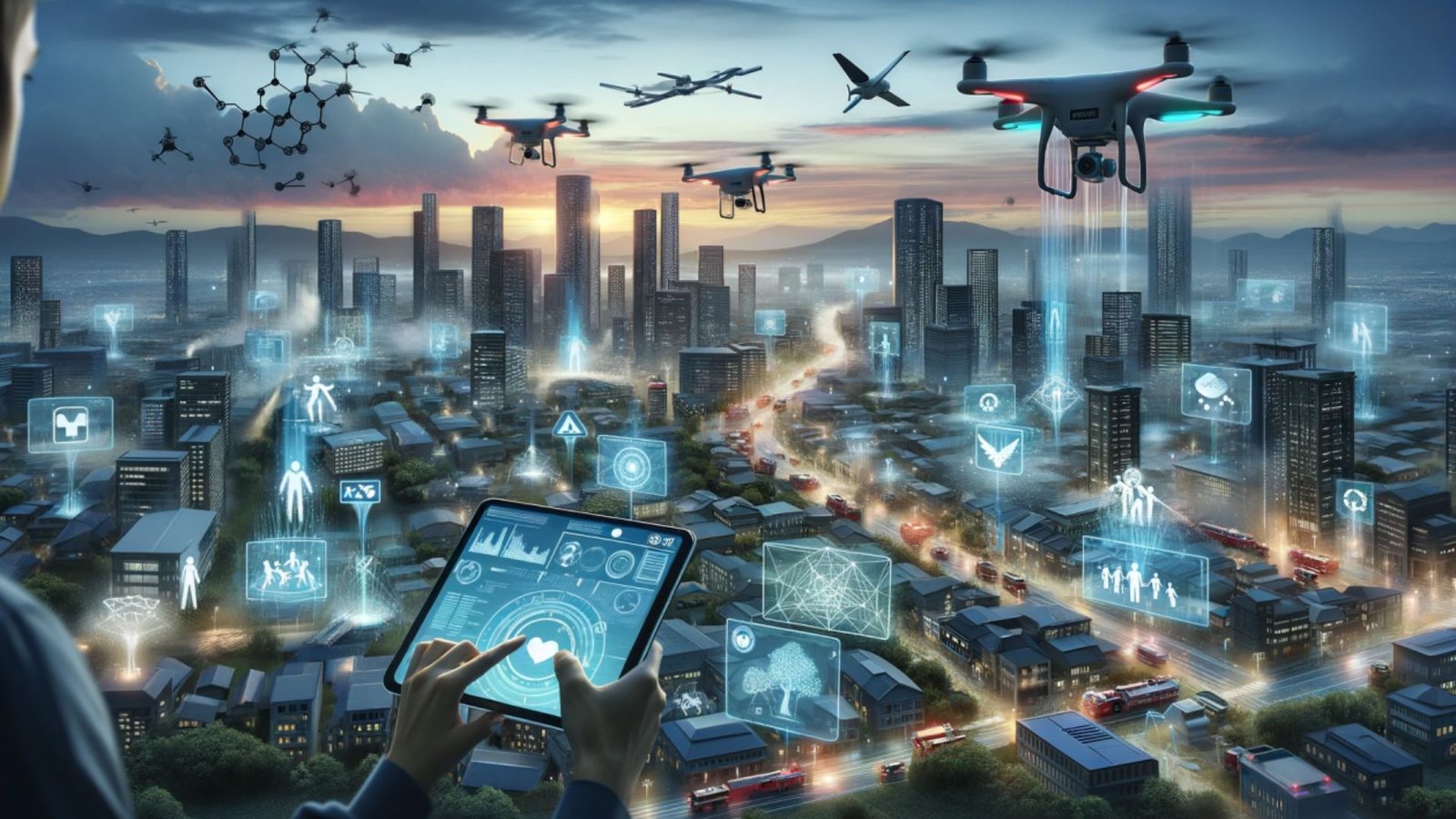
    Drones have become an invaluable tool in disaster response. By providing aerial views of disaster zones, drones help responders assess damage quickly and accurately. Ways technology supports disaster response efforts using drones include searching for survivors, identifying hazards, and mapping areas that are difficult to access. This ability to gather data without putting human lives at risk helps speed up recovery operations and guide decision-making on the ground.

    3. Geographic Information Systems (GIS)

    Geographic Information Systems (GIS) are another example of ways technology supports disaster response efforts.During a disaster, GIS allows responders to track the movement of floods, fires, or storms, and predict where they will strike next.

    4. Social Media for Situation Awareness

    Social media plays a significant role in modern disaster response. Platforms like Twitter and Facebook help emergency services stay informed about the situation in real time. Ways technology supports disaster response efforts through social media include tracking hashtags and posts that report locations of people in need of assistance. Social media also provides valuable situational awareness, allowing response teams to quickly identify areas with the highest need for help and adjust their strategies accordingly.

    5. Mobile Apps for Coordination and Updates

    In the age of smartphones, mobile apps are a critical tool for both responders and civilians during a disaster. These apps help streamline communication, provide updates, and share emergency alerts. Ways technology supports disaster response with mobile apps include tracking evacuees, providing safety tips, and offering real-time weather updates. These apps also allow citizens to report damages and request help directly from their phones, improving the overall efficiency of the response.

    6. Predictive Analytics for Disaster Preparedness

    Predictive analytics is a powerful technology that helps organizations anticipate disasters before they happen. By analyzing weather patterns, seismic data, and historical disaster information, predictive models can forecast potential risks. Ways technology supports disaster response through predictive analytics include early warnings for hurricanes, earthquakes, and floods, giving communities more time to prepare. This advanced technology helps save lives by providing crucial alerts ahead of time.

    7. Internet of Things (IoT) for Monitoring

    The Internet of Things (IoT) allows devices to collect and exchange data, providing real-time insights during disaster events. Sensors can monitor various environmental factors, such as air quality, temperature, and water levels.  By gathering and transmitting this data, IoT devices help responders make informed decisions faster and more accurately.

    8. Blockchain for Supply Chain Management

    One of the significant challenges during disaster response is managing the flow of supplies. Ways technology supports disaster response efforts with blockchain technology is by ensuring the secure and transparent distribution of resources. Blockchain can track donations, shipments, and supplies in real-time, making sure they get to the right locations without delays or fraud. This improves the efficiency of aid delivery, reducing bottlenecks and ensuring timely assistance for those in need.

    9. Virtual and Augmented Reality for Training

    Training is critical for responders, and ways technology supports disaster response can include the use of virtual and augmented reality (VR/AR). These technologies allow responders to practice disaster scenarios in a safe, controlled environment. VR and AR simulations help responders hone their skills and improve their reaction times.

    Conclusion

    In conclusion, ways technology supports disaster response efforts are vast and diverse. From real-time communication to advanced data analytics and drones, technology is helping responders save lives and reduce the impact of disasters. The use of modern technologies allows for faster, more coordinated responses, leading to better outcomes for affected communities. As technology continues to evolve, it will undoubtedly play an even more significant role in disaster preparedness and response, making it a crucial part of any disaster management strategy.

  • Exploring Blockchain Beyond Cryptocurrency

    Exploring Blockchain Beyond Cryptocurrency

    Blockchain technology is often linked to cryptocurrency, but its uses go far beyond digital currency. Originally designed as the backbone of Bitcoin, blockchain is now being explored in many industries. Its decentralized, secure, and transparent nature makes it useful for more than just financial transactions. In this post, we will explore how blockchain is being applied beyond cryptocurrency.

    Exploring Blockchain Beyond Cryptocurrency
    Exploring Blockchain Beyond Cryptocurrency

    Supply Chain Management

    One of the most promising uses of blockchain is in supply chain management. Blockchain can track the movement of goods from the manufacturer to the consumer. Each step of the process is recorded on a secure and immutable ledger. This improves transparency and reduces fraud. It also ensures that consumers can verify the origin and authenticity of products, such as food or luxury items. Blockchain helps companies manage their supply chains more efficiently and with greater trust.

    Healthcare and Medical Records

    Blockchain is also making an impact in healthcare. It can be used to securely store and share medical records. Patients can control their data, giving them more privacy and security. Healthcare providers can access up-to-date records, improving care coordination. Blockchain can also track pharmaceutical supply chains, ensuring the safety and authenticity of drugs. This technology has the potential to revolutionize how healthcare systems store and manage data.

    Voting Systems

    Blockchain has the potential to improve voting systems. By using blockchain, votes can be securely recorded and counted. The technology ensures transparency and prevents tampering or fraud. Voters could cast their ballots from their smartphones, eliminating the need for physical polling stations. This could lead to more accessible and secure elections, boosting voter participation and trust in the electoral process.

    Intellectual Property Protection

    Intellectual property (IP) is another area where blockchain is being applied. Artists, writers, and creators can use blockchain to register and protect their work. Blockchain creates an immutable record of ownership, making it easier to prove copyright. It also helps ensure that creators are paid fairly for their work, as smart contracts can automatically distribute payments. This technology offers a new way to protect and monetize creative content.

    Real Estate Transactions

    Blockchain is revolutionizing the real estate industry by simplifying transactions. Traditionally, property transactions involve a lot of paperwork and intermediaries. Blockchain can streamline this process by securely recording ownership and transfer of property. It reduces the time, cost, and complexity of buying and selling real estate. Additionally, blockchain can prevent fraud and ensure that transactions are transparent and trustworthy.

    Conclusion

    Blockchain technology has much more to offer than cryptocurrency. From improving supply chains to securing medical records, its applications are vast and varied. The potential of blockchain extends across many industries, offering enhanced security, transparency, and efficiency. As this technology continues to evolve, it will likely play a bigger role in shaping the future of many sectors beyond cryptocurrency.

  • The Evolution of Smart Home Technology

    The Evolution of Smart Home Technology

    Smart home technology has changed the way we live. Over the years, it has evolved from simple gadgets to fully integrated systems. Today, smart homes can control lighting, security, and even appliances with just a few taps. This evolution has made homes more comfortable, efficient, and secure. In this post, we explore how smart home technology has evolved and where it’s heading in the future.

    The Evolution of Smart Home Technology
    The Evolution of Smart Home Technology

    Early Beginnings of Smart Homes

    The idea of smart homes started with basic automation. In the early 2000s, devices like programmable thermostats and remote-controlled lights emerged. These devices helped homeowners save energy and time. However, these early smart home systems were limited. They were standalone devices that lacked integration with other home technologies. Despite these limitations, they laid the foundation for more advanced systems.

    The Rise of Voice Assistants

    The introduction of voice assistants marked a turning point. Amazon Alexa, Google Assistant, and Apple Siri brought a new level of convenience. With just a voice command, users could control their smart devices. This innovation made smart home technology more accessible and user-friendly. It allowed homeowners to control lights, thermostats, and entertainment systems with ease. Voice assistants helped smart homes become more intuitive and hands-free.

    Smart Home Integration and Automation

    As technology advanced, smart devices became more integrated. Today, smart home systems work together seamlessly. Homeowners can control lights, security systems, heating, and even kitchen appliances from one app. Automation also plays a major role. For example, lights can automatically turn on when you enter a room, and the thermostat adjusts to your preferences. These systems learn from your habits and adjust accordingly. The more you use them, the smarter they get.

    Enhancing Home Security

    Smart home technology has also revolutionized home security. Advanced cameras, doorbell systems, and motion sensors allow homeowners to monitor their property in real time. Smart locks enable remote entry and provide better control over who enters the home. Additionally, some systems send alerts if they detect unusual activity. This has made homes safer and more secure. With remote access and real-time monitoring, homeowners can protect their homes from anywhere.

    Future of Smart Home Technology

    The future of smart home technology is bright. As 5G technology spreads, smart homes will become even more connected. This will enable faster, more reliable communication between devices. Artificial intelligence will play a key role in further automating homes. Smart homes will predict your needs, adjusting to your preferences before you even ask. Energy efficiency will also improve, as smart systems become more advanced in managing energy use. The next generation of smart homes will be even more integrated, personalized, and efficient.

    Conclusion

    Smart home technology has come a long way. From basic automation to fully integrated, intelligent systems, it has transformed the way we live. Today’s smart homes offer convenience, security, and energy efficiency. As technology continues to evolve, we can expect even smarter homes in the future. The evolution of smart home technology is just beginning, and its potential is limitless.

  • Top Tech Startups Revolutionizing Industries

    Top Tech Startups Revolutionizing Industries

    Tech startups are at the forefront of innovation, shaping the way we live, work, and interact. These companies are not just improving existing technologies—they are creating groundbreaking solutions that are revolutionizing industries. In this article, we’ll discuss some of the most promising tech startups revolutionizing industries and how they are changing the game across various sectors.

    1. AI-Powered Healthcare Solutions

    One of the most exciting areas where tech startups revolutionizing industries is healthcare. Artificial intelligence (AI) is being used to create tools that can help doctors diagnose diseases faster and more accurately. Startups like Tempus and PathAI are leading the way by developing AI systems that can analyze medical data and predict outcomes. These innovations are helping doctors make more informed decisions, improve patient care, and reduce errors, ultimately transforming the healthcare landscape.

    Tech Startups Revolutionizing Industries
    Tech Startups Revolutionizing Industries

    2. Blockchain and Fintech Innovations

    Blockchain technology is another area where tech startups revolutionizing industries are making a significant impact. Startups such as Ripple and Chainlink are bringing blockchain’s benefits to the financial sector. Blockchain allows for secure, decentralized transactions, reducing the need for intermediaries and making transactions faster and cheaper. Fintech companies are using blockchain to provide banking services to people who were previously excluded from the financial system, creating new opportunities in the finance world.

    3. Autonomous Vehicles

    The automotive industry is also being transformed by tech startups revolutionizing industries. Companies like Cruise and Aurora are working on self-driving cars, which could dramatically change how we travel. Autonomous vehicles have the potential to reduce traffic accidents, lower transportation costs, and even solve issues related to urban congestion. These startups are pushing the boundaries of what is possible with AI, machine learning, and robotics, paving the way for a new era in transportation.

    4. Sustainable Energy Solutions

    Tech startups are playing a crucial role in the development of sustainable energy. Companies like Tesla and SolarCity have already made waves in the renewable energy sector, but many new startups are taking it a step further. Startups like Energy Vault are creating solutions to store renewable energy more efficiently, while others like Vesta are developing wind energy solutions. These innovations are critical as the world shifts toward cleaner energy sources, and these startups are helping to accelerate that transition.

    5. The Future of Retail with E-Commerce Innovations

    E-commerce has been growing rapidly, but tech startups revolutionizing industries are taking online shopping to new heights. Startups like Shopify and BigCommerce are making it easier for businesses to set up online stores and reach customers worldwide. Meanwhile, companies like Glossier and Warby Parker are using innovative direct-to-consumer models to disrupt traditional retail. These startups are changing the way products are marketed, sold, and delivered, making shopping more personalized and accessible.

    6. Robotics and Automation

    Robotics and automation are transforming industries like manufacturing, logistics, and even healthcare. Startups like Boston Dynamics and Rethink Robotics are creating robots that can perform tasks traditionally done by humans. These robots improve efficiency, reduce labor costs, and ensure tasks are performed with high precision. As robots become more intelligent and versatile, we can expect further disruptions across industries, making automation an integral part of the future.

    7. Remote Work Solutions

    The rise of remote work has led to the growth of tech startups revolutionizing industries in the field of communication and collaboration tools. Companies like Zoom and Slack were already gaining popularity before the pandemic, but now they are essential for businesses around the world. These startups have redefined how teams communicate, collaborate, and stay productive while working remotely. With more companies embracing hybrid or remote work models, these tools are crucial for keeping teams connected and efficient.

    8. 3D Printing Innovations

    The manufacturing and healthcare industries are seeing major shifts thanks to the rise of 3D printing. Startups like Carbon and Formlabs are using 3D printing technology to create custom products at a fraction of the cost and time of traditional manufacturing. In healthcare, 3D printing is being used to create personalized prosthetics and implants, improving the lives of patients. As 3D printing becomes more affordable and widespread, its impact across various industries will only continue to grow.

    9. Cloud Computing Advancements

    Cloud computing has been around for some time, but startups are continuously pushing the limits of what it can do. Companies like Dropbox and Databricks are offering cloud-based solutions that help businesses store and analyze vast amounts of data. These startups are also making it easier for companies to scale their operations, allowing them to save on hardware and IT costs. As more businesses move their operations to the cloud, these tech startups revolutionizing industries are helping them stay competitive and agile in a fast-changing world.

    Conclusion

    In conclusion, tech startups revolutionizing industries are driving change and innovation across a wide range of sectors. Whether it’s healthcare, transportation, or energy, these companies are creating solutions that make our lives better and more efficient. As technology continues to evolve, we can expect even more exciting developments in the coming years. By embracing these innovations, industries can stay ahead of the curve and meet the demands of a rapidly changing world.