Category: Electronics

  • How Are Electronics Shaping The Future Of Technology

    How Are Electronics Shaping The Future Of Technology

    Electronics are driving incredible changes in technology today. From smart devices to artificial intelligence, the latest innovations are reshaping how we live, work, and communicate. Let’s explore how electronics are shaping the future of technology and improving our lives.

    How Are Electronics Shaping The Future Of Technology
    How Are Electronics Shaping The Future Of Technology

    Why Electronics Are Important for the Future

    Electronics power nearly everything we use daily, from smartphones to electric cars. As technology grows, electronics are becoming smarter, faster, and more efficient. These advancements help solve problems, create opportunities, and improve the way we experience the world.

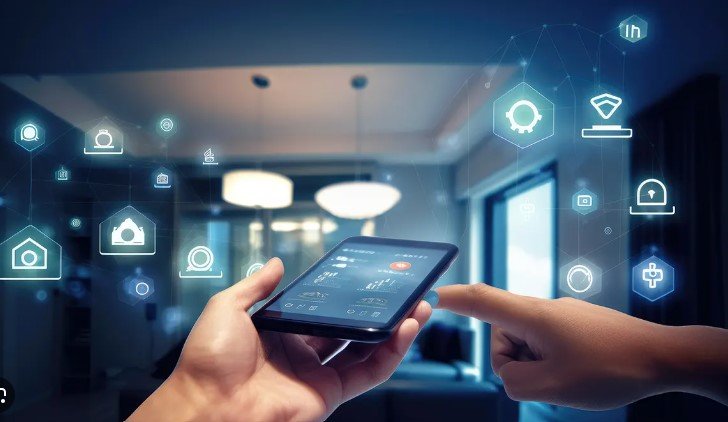
    Smarter Homes with Connected Devices

    Electronics are transforming homes into smart living spaces. Devices like smart speakers, thermostats, and security systems make everyday life easier. For example:

    • Voice control: You can control lights, locks, and even appliances using simple voice commands.
    • Energy efficiency: Smart thermostats save money by automatically adjusting heating and cooling.
    • Safety: Smart cameras and alarms keep your home secure.
      With these advancements, electronics are making homes more comfortable and connected.

    Artificial Intelligence in Electronics

    AI is making electronic devices more intelligent. From smartphones to self-driving cars, AI is everywhere. For instance:

    • Smart assistants: Devices like Alexa and Siri learn your habits to offer better recommendations.
    • AI cameras: Phones use AI to take sharper photos in any lighting condition.
    • Autonomous vehicles: Self-driving cars use AI to navigate roads safely.
      These innovations show how electronics and AI are shaping the future together.

    Green Technology and Sustainability

    Electronics are also helping protect the environment. Many companies now focus on creating eco-friendly devices, such as:

    • Solar-powered gadgets: From chargers to lights, solar energy reduces reliance on electricity.
    • Recycled materials: Many devices are now made from sustainable materials.
    • Energy-saving features: Electronics with low power consumption help reduce energy waste.
      These trends are making technology greener and better for the planet.

    Faster Connectivity with 5G

    The introduction of 5G is revolutionizing how we use electronics. With 5G, devices can:

    • Stream videos instantly without buffering.
    • Connect seamlessly in smart cities and industries.
    • Enable real-time communication for better remote work and online gaming.
      5G is enhancing the speed and reliability of electronic devices, paving the way for more innovations.

    Medical Advancements with Electronics

    Electronics are playing a significant role in healthcare. Modern medical devices are helping doctors and patients in many ways, such as:

    • Wearable health monitors: Track heart rate, blood pressure, and sleep patterns.
    • Robotic surgery: Robots assist in precise and minimally invasive surgeries.
    • Telemedicine: Devices allow doctors to consult patients remotely.
      These breakthroughs are saving lives and improving the quality of healthcare globally.

    The Rise of Electric Vehicles

    Electric vehicles (EVs) are another way electronics are shaping the future. EVs are eco-friendly and packed with advanced features like:

    • Autonomous driving: AI systems help cars drive themselves safely.
    • Efficient batteries: Long-lasting batteries make EVs more practical for daily use.
    • Smart dashboards: Interactive screens provide navigation, music, and more.
      With EVs, electronics are revolutionizing the way we travel.

    The Future of Electronics and Technology

    As electronics continue to evolve, the possibilities are endless. Future trends may include smarter robots, more immersive virtual reality, and better renewable energy solutions. Staying updated with these innovations will ensure we can benefit from these technological advancements.


  • What Are The Latest Trends In Electronics Today

    What Are The Latest Trends In Electronics Today

    The latest trends in electronics are transforming our daily lives. From smart gadgets to energy-saving devices, technology is growing fast. These new ideas are cool and make life easier, safer, and greener. Let’s explore these exciting trends and see how they shape the future.

    What Are The Latest Trends In Electronics Today
    What Are The Latest Trends In Electronics Today

    Why Do Electronics Trends Matter?

    Every year, electronics get smarter and more advanced. The latest trends in electronics bring solutions to everyday problems, save time, and help us stay connected. Whether it’s a foldable phone or an electric car, these trends improve how we live and work.

    1. Smart Home Technology

    Smart home devices are becoming must-haves. They make homes more convenient and energy-efficient. For example:

    • Smart speakers: You can control lights, music, and even appliances with your voice.
    • Smart thermostats: These save energy by adjusting the temperature automatically.
      With more people investing in smart homes, this is one of the latest trends in electronics.

    2. Wearable Technology

    Wearable gadgets, like fitness trackers and smartwatches, are everywhere. They are stylish and helpful. Here’s how they make life better:

    • Track your steps and heart rate.
    • Get reminders and messages on your wrist.
    • Use voice commands for quick actions.
      These wearables are becoming smarter and more affordable, making them a key trend in electronics today.

    3. Electric Vehicles (EVs)

    Electric cars are one of the most important latest trends in electronics. They are not just about going green but also about innovation. EVs now have:

    • Self-driving features for safer travel.
    • Long-lasting batteries for longer trips.
    • AI systems to improve driving experiences.
      Governments and companies are focusing on EVs, making them the future of transportation.

    4. Foldable Devices

    Foldable screens are changing the game for phones and tablets. You can fold them to make them smaller or open them for a larger screen. These devices are:

    • Compact and portable.
    • Perfect for multitasking.
    • Designed for modern users.
      With brands like Samsung leading this trend, foldable devices are here to stay.

    5. Green Technology

    Eco-friendly electronics are a big trend. Many companies are now creating products that are better for the planet. Examples include:

    • Solar-powered gadgets, like chargers and lamps.
    • Devices made from recycled materials.
      These innovations reduce waste and help protect the environment, making green tech a vital part of the latest trends in electronics.

    6. AI-Powered Devices

    Artificial intelligence (AI) is making electronics smarter. From smartphones to cameras, AI is changing how devices work. For example:

    • AI in phones helps take better photos.
    • Smart assistants like Alexa answer questions faster.
      AI-powered gadgets save time and improve user experiences. This trend is growing rapidly and becoming more common in our daily lives.

    7. 5G Connectivity

    The introduction of 5G is a game-changer. With 5G, devices can:

    • Stream videos without buffering.
    • Download large files in seconds.
    • Support online gaming with zero lag.
      5G is boosting the performance of many gadgets, making it one of the most exciting latest trends in electronics.

    How Are These Trends Changing Our Lives?

    The latest trends in electronics are making technology more accessible and useful. They help us save time, stay connected, and protect the environment. Whether it’s a smart home or an eco-friendly gadget, these trends improve the quality of life for everyone.

    What’s Next in Electronics?

    The future of electronics is bright and full of possibilities. As technology advances, we can expect more amazing gadgets and smarter solutions. Staying updated with these trends will help you enjoy the benefits of the latest innovations.


  • Top Advancements in Electronic Printing

    Top Advancements in Electronic Printing

    Electronic printing has come a long way in recent years. From improving speed and quality to enabling new applications, the top advancements in electronic printing are reshaping how we print. These innovations are not just improving existing printing methods but also opening doors to new possibilities in industries like electronics, textiles, and even medicine. In this article, we’ll explore the latest breakthroughs and their potential impact on the future of printing.

    What is Electronic Printing?

    Before diving into the top advancements in electronic printing, it’s important to understand what it is. Electronic printing refers to printing methods that use digital technologies to create images and text on various materials. Unlike traditional printing, which uses physical plates, electronic printing relies on digital files, making it faster, more flexible, and cost-effective. Now, let’s explore the exciting advancements that are making a huge impact.

    Top Advancements in Electronic Printing
    Top Advancements in Electronic Printing

    Major Advancements in Electronic Printing

    Many new developments in electronic printing are making waves across industries. Here are some of the most important innovations:

    1. Inkjet Printing Improvements

    Inkjet printing has seen significant improvements in recent years, making it one of the top advancements in electronic printing. The latest inkjet technology offers higher resolution, faster speeds, and more precise color accuracy. These improvements have made inkjet printing a popular choice for industries like photography, advertising, and packaging. Additionally, the ability to print on a variety of surfaces—such as textiles, ceramics, and even food—has made inkjet printing incredibly versatile.

    2. 3D Printing for Electronics

    3D printing technology has been advancing rapidly, especially in the field of electronics. One of the most exciting developments is the ability to print functional electronic circuits. 3D printers can now create components like resistors, capacitors, and even sensors. This is a game-changer for industries like consumer electronics, where manufacturers can prototype new products faster and more efficiently. With 3D printing, companies can create complex electronic devices without the need for traditional assembly lines.

    3. Printable Electronics

    Printable electronics is another major advancement in electronic printing. This technology involves printing electronic circuits onto flexible materials like plastic or fabric. As a result, it opens up new opportunities for wearable electronics, smart textiles, and even medical devices. Printable electronics are not only lightweight and cost-effective but also flexible, meaning they can be integrated into products that were once thought impossible, such as clothing with built-in sensors or health-monitoring patches.

    Benefits of the Latest Advancements in Electronic Printing

    The top advancements in electronic printing are providing several benefits across various industries. These innovations have led to improvements in cost efficiency, production time, and product quality. Let’s take a closer look at how these advancements are making an impact.

    Faster Production and Reduced Costs

    One of the key advantages of electronic printing is its ability to streamline production. Thanks to improvements in speed and efficiency, companies can produce high-quality printed materials faster and at a lower cost. Whether it’s printing on packaging materials or creating complex electronic circuits, electronic printing offers significant cost savings compared to traditional methods.

    Enhanced Customization and Flexibility

    Another benefit is the ability to customize designs easily. With electronic printing, it’s simple to change a design in real time. This flexibility is especially useful in industries like fashion and advertising, where personalized products and designs are in high demand. Manufacturers can print short runs of unique products or test new designs without worrying about the costs or time delays associated with traditional printing methods.

    Environmental Impact

    With the latest advancements in electronic printing, there is also a shift toward more sustainable practices. Digital printing uses fewer resources, such as paper and ink, compared to conventional methods. Additionally, technologies like 3D printing and printable electronics reduce waste by enabling precise manufacturing. As sustainability becomes a growing concern, these eco-friendly advances in electronic printing are making a big difference.

    Future Trends in Electronic Printing

    Looking ahead, we can expect even more exciting advancements in electronic printing. Some future trends include:

    Integration with Artificial Intelligence (AI)

    As AI technology improves, it is likely to be integrated into electronic printing processes. AI can help optimize print quality, reduce waste, and even predict maintenance needs for printing machines. This will make printing more efficient and cost-effective, benefiting industries across the board.

    Smart Packaging

    Smart packaging is another area that will benefit from advancements in electronic printing. By using printed electronics, companies can create packaging that can monitor product conditions or provide interactive features for consumers. This opens up new possibilities in sectors like food, pharmaceuticals, and consumer electronics.

    Conclusion: Embrace the Future of Electronic Printing

    In conclusion, the top advancements in electronic printing are revolutionizing how we create and interact with printed materials. From faster and more cost-effective production methods to the ability to print functional electronics, these innovations are transforming industries. As technology continues to evolve, we can expect even more breakthroughs that will make electronic printing faster, more flexible, and more sustainable. The future of electronic printing is exciting, and we’re only just beginning to scratch the surface of its potential.

  • Wearable Electronics: The Next Frontier

    Wearable Electronics: The Next Frontier

    Wearable electronics are quickly becoming an essential part of our daily lives. From fitness trackers to smartwatches, these devices have transformed how we interact with technology. As the demand for more convenient, hands-free devices grows, wearable electronics are advancing rapidly. This article explores the rise of wearable technology, its impact on various industries, and what the future holds for these innovative devices.

    Wearable Electronics: The Next Frontier
    Wearable Electronics: The Next Frontier

    What Are Wearable Electronics?

    Wearable electronics refer to electronic devices designed to be worn on the body. These devices can monitor health, enhance productivity, or improve entertainment experiences. Wearables often come in the form of wristbands, smartwatches, glasses, or even clothing that incorporates sensors and other technological components.

    A prime example of wearable electronics is the fitness tracker. These devices can monitor physical activity, track steps, measure heart rate, and even monitor sleep patterns. Similarly, smartwatches combine the functionality of a traditional watch with advanced features such as notifications, health monitoring, and GPS tracking.

    Wearables are becoming smaller, more powerful, and more integrated with other technologies. This has allowed them to serve a wide range of functions, from health tracking to personal communication.

    The Impact of Wearable Electronics on Healthcare

    One of the most significant impacts of wearable electronics is in the healthcare industry. Wearable devices allow users to monitor their health in real-time, providing valuable data for both individuals and healthcare providers. Smartwatches, for example, can track heart rate, monitor blood oxygen levels, and detect irregularities in a person’s pulse.

    This data can help users stay proactive about their health and well-being. In some cases, wearable electronics can even alert users to potential health risks, such as abnormal heart rhythms. Furthermore, healthcare professionals can use this data to offer personalized treatment plans, ultimately improving patient outcomes.

    Wearables also play a crucial role in managing chronic conditions. Devices can track symptoms, medication usage, and overall health metrics, helping individuals stay on top of their medical needs. With more advanced technology, wearables may eventually help diagnose illnesses and monitor recovery in real-time.

    The Role of Wearables in Fitness and Sports

    Fitness enthusiasts and athletes have greatly benefited from wearable electronics. Devices such as fitness trackers and smartwatches offer insights into physical performance, enabling users to optimize their workouts. These wearables monitor vital stats like heart rate, calories burned, and distance traveled, which are essential for anyone looking to improve their fitness levels.

    Moreover, wearable electronics are becoming an essential tool for professional athletes. For example, sports teams use wearables to track players’ physical conditions during training and games. These devices provide coaches with valuable data to enhance performance and reduce the risk of injury. In this way, wearables contribute not only to personal fitness but also to the improvement of professional sports.

    With technology advancing, wearables now offer features like GPS tracking for runners and cyclists, personalized workout recommendations, and even virtual coaching, making them indispensable for fitness enthusiasts.

    Wearable Electronics and Everyday Convenience

    Wearable electronics are not only about health and fitness; they also offer increased convenience in daily life. Smartwatches, for instance, allow users to check messages, make calls, and control smart devices all from their wrist. These devices integrate seamlessly with other technologies, creating a more connected experience.

    In addition, wearables like augmented reality (AR) glasses are changing how we interact with the world around us. These glasses provide real-time information, such as navigation directions or notifications, directly in a user’s line of sight. This hands-free access to information is not only convenient but also improves safety, especially in environments where looking at a smartphone could be distracting or dangerous.

    Wearable electronics are streamlining daily tasks, allowing users to be more efficient and connected without ever having to pull out their phone or other devices.

    Conclusion

    Wearable electronics represent the next frontier in personal technology. They have already made a significant impact on healthcare, fitness, and daily convenience, and their potential is far from exhausted. As technology continues to evolve, wearables will become even more integrated into our lives, offering smarter, more seamless experiences. The future is bright for wearable electronics, and we can expect them to play a key role in shaping the future of technology.

  • How Miniaturization Is Changing Electronics Manufacturing

    How Miniaturization Is Changing Electronics Manufacturing

    Miniaturization in electronics manufacturing is revolutionizing the industry. This process involves making electronic components smaller, lighter, and more powerful. As a result, it has led to more efficient devices that offer greater functionality. In this blog, we will explore how miniaturization is changing the way electronics are made and the impact it has on the industry and consumers.

    How Miniaturization Is Changing Electronics Manufacturing
    How Miniaturization Is Changing Electronics Manufacturing

    What Is Miniaturization in Electronics Manufacturing?

    Miniaturization refers to the process of reducing the size of electronic components and devices while maintaining or enhancing their performance. This is achieved through advanced technologies and manufacturing processes, such as smaller transistors, better circuit design, and improved materials. As components shrink, devices become lighter, faster, and more energy-efficient.

    For example, today’s smartphones are far more powerful than earlier models due to miniaturized chips and processors. These innovations make it possible to pack more features into smaller devices, enhancing their overall functionality. The trend of miniaturization continues to advance, pushing the boundaries of what’s possible in electronics.

    The Impact of Miniaturization on Consumer Electronics

    Miniaturization has transformed consumer electronics. Devices like smartphones, laptops, and wearables are now more powerful and versatile than ever before. Smaller components allow manufacturers to create devices that are thinner, lighter, and more portable, without compromising on performance.

    For instance, modern laptops are much slimmer and lighter than their predecessors, yet they come with faster processors, higher-resolution displays, and longer battery life. In wearables, miniaturization has enabled the development of health trackers and smartwatches, which are small but packed with sensors to monitor heart rate, sleep patterns, and more.

    This trend not only makes devices more convenient but also improves their efficiency, making them better suited to the fast-paced demands of modern life.

    Advancements in Electronics Manufacturing Processes

    The process of miniaturization is heavily dependent on advancements in manufacturing technology. One of the key developments is the use of photolithography, a technique that allows manufacturers to create smaller and more precise circuits on silicon chips. With photolithography, manufacturers can create circuits with smaller feature sizes, leading to faster and more efficient chips.

    Additionally, materials such as graphene and carbon nanotubes are being explored as alternatives to traditional silicon, offering even greater potential for miniaturization. These materials have unique properties that can improve performance while further reducing the size of components. As technology continues to evolve, the pace of miniaturization will only increase.

    Challenges of Miniaturization in Electronics

    While miniaturization offers many advantages, it also comes with challenges. One major challenge is heat dissipation. As electronic components become smaller and more powerful, they generate more heat, which can affect performance and lifespan. To address this issue, manufacturers are developing more efficient cooling solutions, such as advanced heat sinks and liquid cooling systems.

    Another challenge is maintaining the durability and reliability of miniaturized components. Smaller parts are more susceptible to damage during manufacturing and use. Ensuring that these components are robust enough to withstand daily wear and tear is a crucial concern for manufacturers.

    Despite these challenges, the benefits of miniaturization outweigh the obstacles, and ongoing research and development are helping to overcome these issues.

    The Future of Miniaturization in Electronics Manufacturing

    The future of miniaturization in electronics manufacturing looks promising. As technologies continue to advance, we can expect even smaller, more powerful devices. In the coming years, innovations in artificial intelligence (AI), 5G networks, and quantum computing will likely drive further miniaturization.

    In particular, miniaturized electronics will play a key role in the development of the Internet of Things (IoT), enabling the creation of smaller, smarter devices that communicate seamlessly. From healthcare to smart cities, miniaturized electronics will be at the heart of many future innovations. The ongoing trend of miniaturization is not just changing manufacturing but also shaping the future of technology as a whole.

    Conclusion

    Miniaturization is profoundly changing electronics manufacturing. It is allowing the creation of smaller, faster, and more efficient devices, which has transformed consumer electronics and everyday life. While challenges remain, ongoing advancements in manufacturing processes and materials are pushing the limits of miniaturization. As this trend continues, the possibilities for future innovations are endless, from smarter devices to entirely new applications. Miniaturization will continue to be a driving force in the electronics industry for years to come.

  • The Rise of Smart Appliances in Everyday Life

    The Rise of Smart Appliances in Everyday Life

    The rise of smart appliances has significantly transformed our daily lives. These devices offer convenience, efficiency, and automation in ways we never imagined a few decades ago. From refrigerators that monitor food stock to washing machines that you can control remotely, smart appliances are changing how we live. In this blog, we’ll explore the rise of smart appliances, their impact on households, and how they improve daily tasks.

    The Rise of Smart Appliances in Everyday Life
    The Rise of Smart Appliances in Everyday Life

    What Are Smart Appliances?

    Smart appliances are household devices that connect to the internet and can be controlled or monitored remotely using a smartphone or voice assistant. These devices are equipped with sensors, Wi-Fi connectivity, and AI technology, making them more intelligent than traditional appliances. For example, smart fridges can track inventory, order groceries, and even suggest recipes based on what’s inside.

    These appliances improve convenience, save time, and optimize energy use. They are also designed to communicate with each other, creating an integrated smart home system. For instance, you can set your smart thermostat to adjust the temperature while your smart vacuum cleans the house. With these innovations, smart appliances are becoming a natural part of modern living.

    The Growing Popularity of Smart Appliances

    The popularity of smart appliances has grown rapidly in recent years. One of the driving factors behind this growth is the increasing demand for convenience. People are looking for ways to make their lives easier, and smart appliances offer just that. In addition, as technology advances, the cost of these devices has decreased, making them more accessible to a broader audience.

    Another key reason for their rise is the integration of voice assistants like Amazon Alexa, Google Assistant, and Apple’s Siri. These voice-controlled systems have made it easier to interact with appliances. Whether you want to turn on your oven or adjust your washing machine settings, voice commands make these tasks hands-free and hassle-free.

    How Smart Appliances Improve Efficiency

    Efficiency is one of the main benefits of smart appliances. Many smart devices are equipped with features that help reduce energy consumption. For instance, smart thermostats learn your schedule and adjust the heating or cooling based on your preferences, preventing unnecessary energy use when you’re away. Similarly, a smart washing machine can adjust water levels depending on the load size, saving both water and electricity.

    Smart appliances also streamline daily tasks, making household chores more efficient. You can schedule your washing machine to run at a specific time, or monitor the progress of your laundry remotely. The automation offered by these devices saves time, allowing you to focus on other important tasks in your day.

    The Future of Smart Appliances

    The future of smart appliances looks promising. As technology continues to advance, we can expect even more sophisticated features. For example, appliances may become even more integrated into the Internet of Things (IoT), communicating seamlessly with each other to create a smarter home environment. AI-powered appliances could learn from user habits and adjust settings automatically for improved performance.

    Additionally, with the rise of sustainability, many manufacturers are focusing on creating eco-friendly smart appliances. These appliances aim to reduce energy consumption and minimize waste, contributing to a more sustainable lifestyle. From refrigerators that monitor food freshness to dishwashers that optimize water usage, the future holds endless possibilities for smart technology in the home.

    Conclusion

    The rise of smart appliances in everyday life has revolutionized how we manage our homes. These appliances offer greater convenience, efficiency, and connectivity, making everyday tasks easier and more enjoyable. As technology continues to evolve, smart appliances will become even more integrated into our lives, offering advanced features and contributing to a more sustainable future. Embracing these innovations can make your home smarter, more energy-efficient, and better equipped to meet the demands of modern living.

  • Understanding the Components of Modern Gadgets

    Understanding the Components of Modern Gadgets

    Modern gadgets have become an integral part of our daily lives. They are powered by intricate components that work together seamlessly. Understanding these components can help you appreciate the technology behind your favorite devices. In this post, we will explore the key components of modern gadgets, their functions, and how they contribute to the performance and usability of devices.

    The Rise of Smart Appliances in Everyday Life
    The Rise of Smart Appliances in Everyday Life

    Key Components of Modern Gadgets

    At the heart of every modern gadget lies its core components. These include the processor, memory, battery, display, and sensors. Each component plays a specific role in ensuring the device operates efficiently and provides a user-friendly experience. Understanding how these parts work together helps us appreciate the complexity of today’s gadgets.

    1. Processors: The Brain of the Device

    The processor, often referred to as the central processing unit (CPU), is the brain of any modern gadget. It handles all the calculations and instructions necessary for the device to perform tasks. Processors are made up of millions, sometimes billions, of transistors that act as switches to control the flow of data.

    Modern processors are designed to be faster and more energy-efficient. The performance of a device largely depends on the capabilities of its processor. Whether it’s a smartphone, tablet, or laptop, the processor determines how quickly your device can run apps, load websites, and perform multitasking tasks.

    2. Memory: Storing and Accessing Data

    Memory is another crucial component of modern gadgets. It is divided into two main types: RAM (Random Access Memory) and storage memory. RAM is temporary memory that helps the device run applications quickly. The more RAM a device has, the better it can handle multiple tasks without slowing down.

    Storage memory, on the other hand, holds the data and files on the device. This can include everything from apps to photos, videos, and documents. Devices today are equipped with solid-state drives (SSDs) or flash storage, providing faster read and write speeds compared to older hard drive technology. The combination of ample RAM and fast storage memory ensures smooth performance and quick access to data.

    3. Battery: Powering the Device

    No gadget can function without a reliable power source, and that’s where the battery comes in. The battery powers the device and allows it to operate without being plugged into an outlet. Modern gadgets typically use lithium-ion (Li-ion) batteries, which are lightweight, rechargeable, and offer a high energy density.

    Battery life is one of the most important factors when choosing a device. Gadgets are designed to maximize battery efficiency, allowing them to run for hours on a single charge. Factors like screen brightness, app usage, and power settings all affect how long the battery lasts.

    4. Display: Interacting with the Device

    The display is the primary interface through which users interact with their gadgets. Modern displays use technologies like OLED, AMOLED, or LCD to produce vibrant colours and sharp images. The screen size, resolution, and touch sensitivity play a significant role in the user experience.

    In addition to traditional touchscreens, some gadgets feature foldable or curved displays that enhance functionality and design. The quality of the display is crucial, as it directly affects how enjoyable and efficient it is to use the device, whether you’re watching videos, reading, or browsing the web.

    5. Sensors: Enhancing Functionality

    Sensors are another vital component of modern gadgets. These small devices allow gadgets to gather information about the environment and respond accordingly. For instance, an accelerometer detects movement and orientation, helping your phone switch between portrait and landscape mode. Similarly, a gyroscope helps with more precise movement detection, especially in gaming.

    Other sensors, like the fingerprint scanner or heart rate monitor, offer added security and functionality. Sensors enable a wide range of features, from health tracking to augmented reality, making modern gadgets much more interactive and useful.

    Conclusion

    Modern gadgets are made up of several essential components, including processors, memory, batteries, displays, and sensors. Each part works in harmony to deliver a seamless user experience, allowing gadgets to perform a wide range of tasks efficiently. Understanding these components gives us a deeper appreciation of the technology that powers our everyday devices. Whether you’re using a smartphone, tablet, or wearable tech, these components play a crucial role in shaping your device’s performance and usability.

  • Tips for Recycling and Reusing Old Electronics

    Tips for Recycling and Reusing Old Electronics

    Recycling and reusing old electronics is essential for both environmental sustainability and resource conservation. Electronics contain valuable materials like metals, plastics, and rare earth elements that can be recovered and used again. In this post, we’ll explore practical tips for recycling and reusing your old electronics, ensuring they don’t end up in landfills and contribute to pollution.

    Tips for Recycling and Reusing Old Electronics
    Tips for Recycling and Reusing Old Electronics

    1. Identify Recyclable Electronics

    The first step in recycling old electronics is to identify which items can be recycled. Many electronics are recyclable, including smartphones, laptops, televisions, and even old printers. It’s important to check the manufacturer’s guidelines or the recycling program’s requirements to ensure proper disposal.

    Recycling centers often have specific instructions on which products they accept. Some may even offer services to collect your unwanted items. Many electronics also contain hazardous materials, such as batteries and certain chemicals, which need to be properly handled. Always ensure you are recycling these items at a certified e-waste facility.

    2. Erase Personal Data Before Recycling

    Before sending your electronics to a recycling center, it is crucial to remove all personal data. Whether it’s a phone, tablet, or laptop, storing sensitive information can lead to security risks if it falls into the wrong hands. Wipe your devices clean by using a factory reset or data-erasing software.

    For computers and phones, ensure that all files, including personal documents, images, and passwords, are deleted securely. If you are unsure about the process, consider consulting a professional to help erase the data completely. Taking this extra step helps protect your privacy while allowing the electronics to be safely recycled.

    3. Donate or Sell Reusable Electronics

    If your electronics are still in good working condition, consider donating or selling them before recycling. Many organizations accept old electronics for reuse, especially for those in need. Nonprofits, schools, and community centers may appreciate devices like computers or smartphones that can still be used.

    Selling or donating your electronics also helps extend their life cycle, reducing the demand for new products. Several online platforms make it easy to sell old items, or you can visit local electronics stores that offer trade-in programs. By reusing devices, you give them a second life, contributing to sustainability.

    4. Repurpose Old Electronics for New Uses

    In addition to donating or selling old electronics, another excellent way to reuse them is by repurposing them for new functions. You can transform old computers into media centers, use old smartphones as security cameras, or turn an old television into a digital picture frame. The possibilities are endless.

    If you’re feeling creative, consider experimenting with DIY projects. For instance, you can use old computer parts to build a robot or create a unique lamp from discarded circuit boards. Repurposing electronics not only reduces waste but also allows you to get creative with the materials you already have at hand.

    5. Work with Certified E-Waste Recycling Programs

    To ensure your old electronics are disposed of properly, work with certified e-waste recycling programs. These programs adhere to environmental standards and focus on reducing the harmful impact of electronic waste on the planet. They safely dismantle and recycle the materials, recovering valuable metals and ensuring hazardous substances are disposed of responsibly.

    Many local governments or recycling programs provide information about certified e-waste recycling centers. Some even offer convenient drop-off locations or pick-up services. By choosing certified programs, you help promote the circular economy and ensure your old electronics are disposed of in an environmentally friendly manner.

    Conclusion

    Recycling and reusing old electronics are crucial steps toward a more sustainable future. Whether you choose to recycle, donate, repurpose, or sell your devices, each action contributes to reducing electronic waste and conserving resources. Always make sure to erase personal data before disposal and work with certified programs to ensure the safe and responsible handling of your old electronics. By adopting these practices, you help protect the environment while giving your devices a second life.

  • The Role of Electronics in Renewable Energy Solutions

    The Role of Electronics in Renewable Energy Solutions

    Electronics play a pivotal role in renewable energy solutions. As the world moves toward cleaner and more sustainable energy, electronic systems are essential in harnessing, managing, and distributing energy from renewable sources. In this post, we will explore how electronics are transforming renewable energy technologies and driving the future of sustainable power.

    The Role of Electronics in Renewable Energy Solutions
    The Role of Electronics in Renewable Energy Solutions

    1. Electronics in Solar Power Systems

    Solar energy is one of the most widely adopted renewable energy sources. Electronics are crucial in solar power systems, especially in solar panels and inverters. Solar panels capture sunlight and convert it into electrical energy, but this energy is in the form of direct current (DC). Inverters, which are electronic devices, convert this DC energy into alternating current (AC), making it usable for homes and businesses.

    The efficiency of these inverters has improved over the years, thanks to advances in electronics. Smart inverters now monitor energy production, adjust performance based on environmental conditions, and even integrate with the grid to manage power distribution efficiently. This makes solar power not only more reliable but also more adaptable to different energy needs.

    2. Wind Power and Advanced Electronics

    Wind energy is another important renewable resource where electronics play a significant role. These turbines rely on advanced electronic systems to convert wind energy into electricity. These systems include sensors that monitor wind speed, direction, and turbine performance in real-time. This data helps optimize the operation of wind turbines, ensuring they function at peak efficiency.

    Moreover, electronics are used in the grid connection of wind farms. These systems help control the flow of electricity from the turbines to the grid, ensuring stable energy distribution. As wind power technology advances, so does the role of electronics in maximizing its potential.

    3. Energy Storage and Management

    A major challenge with renewable energy sources like solar and wind is the intermittent nature of energy production. Electronics are key to solving this issue through energy storage and management systems. Batteries, for example, store excess energy produced during peak times for use when generation is low.

    Battery management systems (BMS) are electronic circuits that monitor the health, charge, and temperature of batteries. These systems ensure that batteries last longer and operate safely, making them more efficient in storing renewable energy. Additionally, smart grids and energy management systems use electronics to balance energy supply and demand, ensuring that stored energy is distributed effectively when needed.

    4. Smart Grids and the Integration of Renewable Energy

    Smart grids are one of the most important developments in renewable energy solutions, and electronics are at their core. A smart grid uses electronic sensors, control systems, and communication networks to manage and distribute electricity more efficiently. These grids can integrate power from renewable sources, such as solar and wind, with traditional power generation methods.

    Through real-time data collection, smart grids can adjust to fluctuations in energy production and consumption. This helps prevent blackouts, reduces waste, and makes the entire energy system more resilient. Electronics, including advanced meters and monitoring systems, are crucial in making smart grids effective at integrating renewable energy sources into the grid.

    5. Electrification of Transportation

    The electrification of transportation is another area where electronics are enhancing renewable energy solutions. Electric vehicles (EVs) rely on renewable energy sources for charging, and their integration into the energy grid is supported by advanced electronics. Charging stations use electronic systems to manage the flow of energy and ensure efficient charging.

    Furthermore, EVs themselves can act as energy storage units. By using bidirectional charging technology, electric vehicles can store excess renewable energy and feed it back into the grid when necessary. This creates a more flexible and resilient energy system that benefits both consumers and the environment.

    Conclusion

    Electronics are central to the success of renewable energy solutions. From solar power to wind energy, energy storage, and smart grids, electronic systems help harness, manage, and distribute renewable energy efficiently. The future of sustainable energy depends on continuous innovation in electronics, making renewable energy sources more accessible and reliable. As technology evolves, electronics will continue to play a critical role in shaping the future of energy.

  • How IoT Is Expanding the Electronics Industry

    How IoT Is Expanding the Electronics Industry

    The Internet of Things (IoT) is significantly impacting the electronics industry. It connects everyday devices to the internet, creating smarter systems that make our lives easier and more efficient. This technological evolution is not just about convenience; it’s also about enhancing the functionality of electronic devices and expanding their capabilities. In this post, we will explore how IoT is reshaping the electronics industry and what this means for the future.

    How IoT Is Expanding the Electronics Industry
    How IoT Is Expanding the Electronics Industry

    1. Revolutionizing Consumer Electronics

    IoT is revolutionizing consumer electronics by creating interconnected devices that work seamlessly together. Products like smart TVs, smart thermostats, and wearable devices are now commonplace, all thanks to IoT. These devices communicate with each other to offer enhanced functionality and convenience.

    For instance, smart homes are becoming more popular due to IoT. Homeowners can control lighting, security, and appliances remotely through their smartphones. This level of connectivity would not be possible without IoT, which is changing the way consumers interact with everyday electronics.

    2. Enhancing Manufacturing and Supply Chains

    In the manufacturing sector, IoT is having a profound impact. IoT sensors are used in factories to monitor equipment performance and detect issues before they become major problems. These smart devices help manufacturers reduce downtime and optimize production processes.

    Additionally, IoT is improving supply chains by providing real-time tracking of goods and materials. This allows companies to monitor inventory levels, streamline logistics, and minimize delays. By using IoT, manufacturers can enhance their operations, making them more efficient and cost-effective.

    3. Driving Advancements in Healthcare Electronics

    IoT is also playing a pivotal role in the healthcare electronics sector. Medical devices, such as wearable health monitors, are now integrated with IoT technology. These devices allow patients and healthcare providers to track vital signs, manage chronic conditions, and improve overall health monitoring.

    The ability to remotely monitor patients’ health data has transformed healthcare. It enables quicker responses to medical emergencies and better patient outcomes. Furthermore, IoT-driven healthcare products are opening new possibilities for preventative care and personalized medicine, expanding the role of electronics in the medical field.

    4. Enabling Smart Cities and Infrastructure

    Another key area where IoT is expanding the electronics industry is in smart cities and infrastructure. IoT-connected devices play a critical role in urban planning by optimizing traffic flow, improving public safety, and managing utilities more efficiently.

    Smart streetlights, waste management systems, and energy grids are all powered by IoT technology. These systems allow cities to respond to real-time data, improving the overall quality of life for residents. As urban areas grow, IoT-driven solutions will become increasingly essential for maintaining infrastructure and sustainability.

    5. Facilitating the Growth of Autonomous Vehicles

    IoT is also a driving force behind the development of autonomous vehicles. Connected systems within cars allow for real-time data sharing between the vehicle, its surroundings, and other vehicles. This exchange of information is critical for ensuring safe and efficient autonomous driving.

    The growth of IoT in the automotive industry has led to advancements in vehicle tracking, navigation, and collision prevention systems. As autonomous vehicles become more prevalent, the electronics industry will continue to evolve to support these technologies, further expanding the role of IoT in modern transportation.

    Conclusion

    The Internet of Things is dramatically expanding the electronics industry by creating smarter, more connected systems. From consumer electronics to manufacturing, healthcare, smart cities, and autonomous vehicles, IoT is enhancing the functionality of devices and improving our daily lives. As IoT continues to grow, we can expect even more innovations in the electronics industry, leading to a more connected and efficient future.